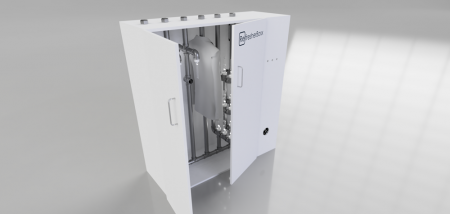
In space, water is a precious commodity. Too precious to wash with it. At the International Space Station ISS, astronauts wear their garments for a prolonged period of time. These are then disposed of after the space mission. Infinity GmbH has developed the RefresherBoxx, which can be used to clean, disinfect and dry all kinds of textiles without the use of water or chemicals. By combining different physical methods (light of different wavelengths, active oxygen, different temperature modes and air pressure differences), bacteria, fungi and viruses are killed and removed. As a result, textiles can be refreshed gently within 30 minutes, valuable resources can be saved and human diseases prevented.
Benefits:
Disinfection – removes up to 99.99512 % of bacteria, fungi and viruses, preventing odours and infections
Environmentally friendly and resourcesaving use in space and on Earth
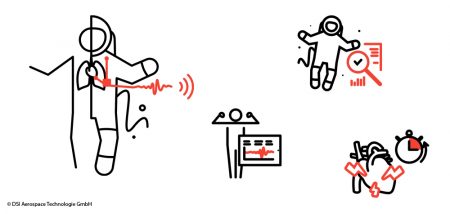
Astronauts are subject to a high level of physical stress in weightlessness. The continuous monitoring of important bodily functions, especially of the cardiovascular system, is therefore urgently required during the stay in space. Findings from space medicine can also be applied to the diagnosis of heart diseases, which are the most common cause of death worldwide. According to the German Federal Statistical Office, the cost of cardiovascular diseases in 2015 amounted to EUR 46.4 billion. Systems currently used for cardiac diagnostics offer only limited possibilities for monitoring high-risk patients or can only be used for inpatient treatment. The “Dr. Beat” project relies on ballistocardiography (BCG), originally developed for space, which can record actual heart function using modern, digital microelectronics. Within the scope of the project, a high-precision and cost-effective BCG sensor system is being developed that can be worn on the body as a “wearable” and enables continuous health monitoring. The extensive signal processing, data evaluation and diagnostics will be automated by means of Artificial Intelligence (AI) and should not only provide new insights into space medicine but also improve diagnostics and early detection of cardiological diseases in everyday life.
Benefits:
Cost-effective, wearable BCG sensor system including signal processing and data evaluation for diagnostics and prediction of cardiovascular processes
Comprehensive, ubiquitous, discrete and continuous cardiovascular diagnostics for risk patients on Earth and astronauts in space using AI
Fields of application: space medicine, terrestrial medical technology, wellness sector, safety-critical jobs (e.g. pilots, drivers)
MERIT – Disruptive Propulsion System for Microsatellites
Miniaturised satellites have become increasingly common in recent years. In order to enable different mission scenarios, satellite platforms as small as CubeSats require propulsion systems that are small, versatile, costeffective, and reliable. Since existing propulsion systems are too expensive and lack intense development and physical comprehension, T4i started MERIT, a project that aims to upgrade their own REGULUS propulsion system in terms of cost and performance. Based on helicon plasma technology, it also leverages a modular approach, non-aerospace supply chains, and smart adoption of additive technologies. MERIT’s main target customers include small-satellite (up to150 kg) platform manufacturers. T4i plans not only to provide the propulsion system to be integrated into satellites, but to become a potential partner as well. Its technology will also be exploited in other fields, such as medical and industrial applications and in the development of smart plasma antennas.
Benefits:
Increased profitability and efficiency through the functionality of the satellite platform
Easy integration of the REGULUS propulsion system into satellite platforms
Better performance and cost reductions of up to 83%
Reliable and versatile propulsion system thanks to helicon plasma technology
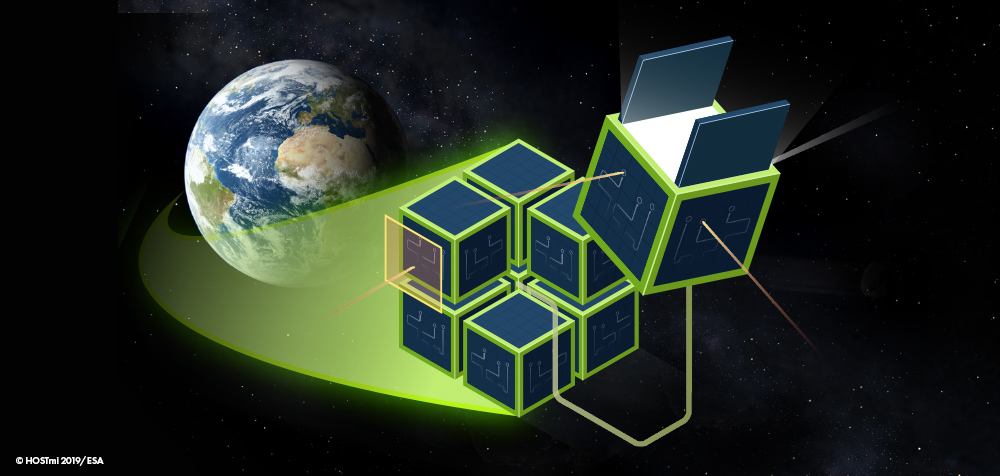
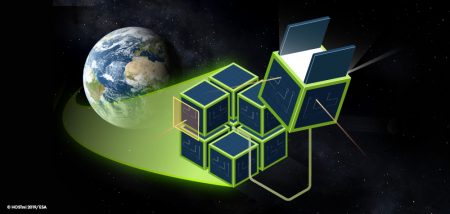
The traditional space sector does not offer fast, simple, low-cost access to space for the commercially driven new space economy. HOSTmi is the first neutral digital B2B platform for payload owners and space mission providers that matches the growing commercial and scientific demand. This standardised online platform offers efficient, user-friendly, and global mediation of flight options aboard various space-based systems, from suborbital vehicles to deep space platforms. Payload owners receive real-time product and service information, along with the ability to search for potential hosting opportunities for their payload. Besides being available to payload owners for an annual subscription fee, HOSTmi operates on a contract- and success-based commission model for space mission providers. It is thus digitising the global market for space payloads in a scalable fashion.
Benefits:
Digital one-stop-shop bundles services such as technical support, financing, and insurance
Efficient automated processes significantly reduce time and cost requirements for payload owners
Space mission providers will be able to sell their services and unused capacity, which will reduce the direct cost of sales and customer acquisition based on an automated influx of prospects
Fosters the transition from conservative value chains to a modern, customer-oriented value network
Space Surveillance and Tracking (SST) as a Service for New Space
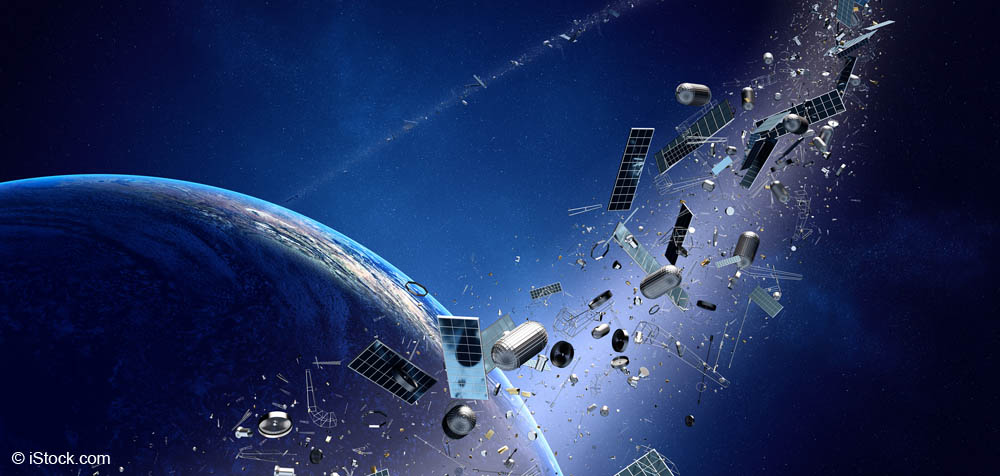
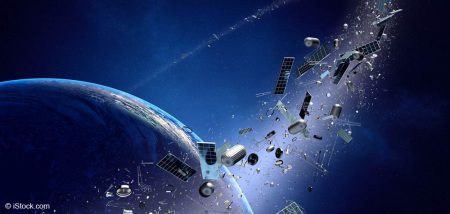
Due to the increasing amount of activities in space, the number of objects is becoming dangerously high and presenting a potential hazard to all satellites – especially in low Earth orbit. Since existing solutions are neither customer-friendly nor usable for the broader masses, new space market players are being forced to accept the risks of loss or damage. OKAPI:Orbits has developed a software-as-a-service (SaaS) solution that is dedicated to making satellite missions more sustainable and cost-efficient by offering customers space surveillance and tracking (SST) solutions as a service. It is a modular, customisable, and scalable software provided via a web interface and APIs. Due to the fact that this software is based on a data stream management system (DSMS), it offers several advantages. It can be used to operate all the relevant aspects of SST and supports integration into existing solutions.
Benefits:
Reduced risk of loss or damage to satellite constellations and lower mission costs overall
Very short access times through DSMS
Processes large amounts of data that define customer procedures that need to be followed
STMF – Satellite Thermal Management with Ferrofluids
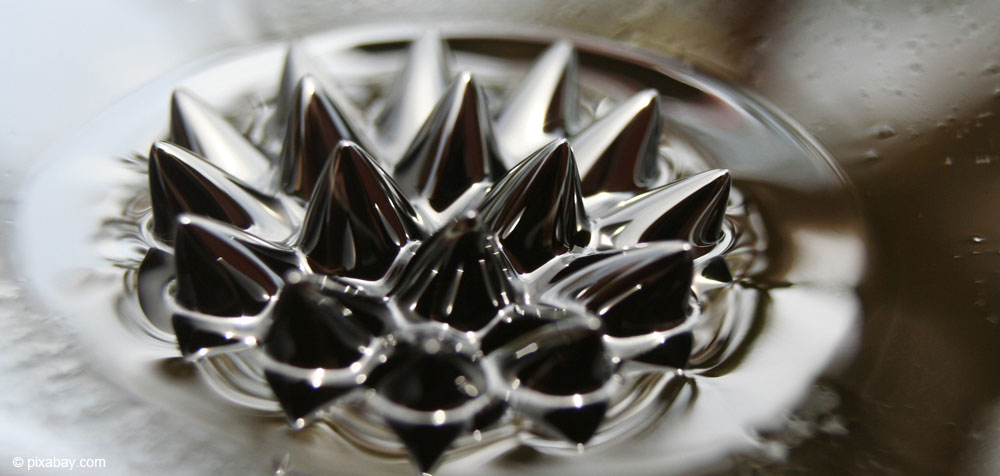
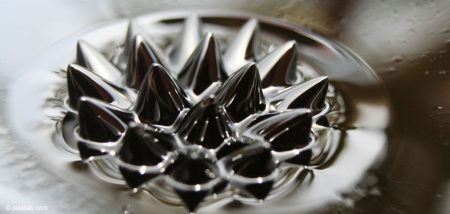
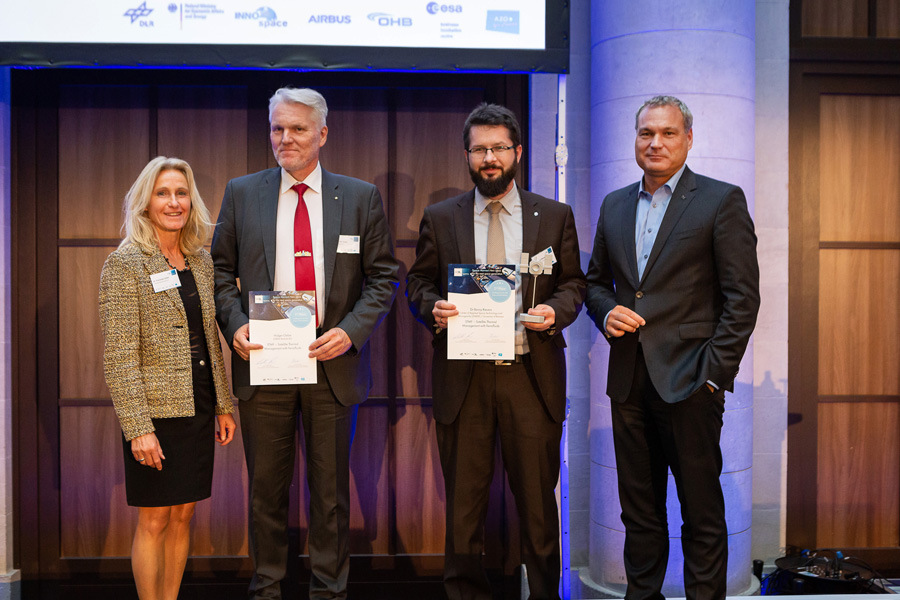
The thermal control system (TCS) is a critical component of satellites, one that is supposed to regulate the temperature of payloads and satellite buses under varying internal and external heat loads. Conventional TCSes use cooling fluids and mechanical pumps whose vibrations disturb payloads and sensors onboard a satellite. ZARM proposes a TCS technology based on ferrofluid cooling liquid that is pumped by magnetic fields to avoid mechanical vibrations. This TCS consists of pumping modules that are constructed from a minimum of four magnetic coils to transfer the ferrofluid. To avoid magnetic disturbances in other parts of the satellite, a μ-metal shield is placed around the pump. Since ferrofluids take on different magnetic properties when cooled or heated, permanent magnets can be employed to define prominent places where heat is absorbed. The focus lies on a scalable and modular design that can be included in a broad range of satellite missions. In particular, such missions will likely involve concepts with strongly varying thermal boundary conditions and high-precision measurements, such as for geodesy, Earth observation, or fundamental physics applications.
Benefits:
Decreased vibrations within the thermal control system
Improved noise environment
Scalable, flexible, modular design that can be adapted to a broad range of thermal boundary conditions
Additive Manufacturing for Space Using High-Performance
Polymers
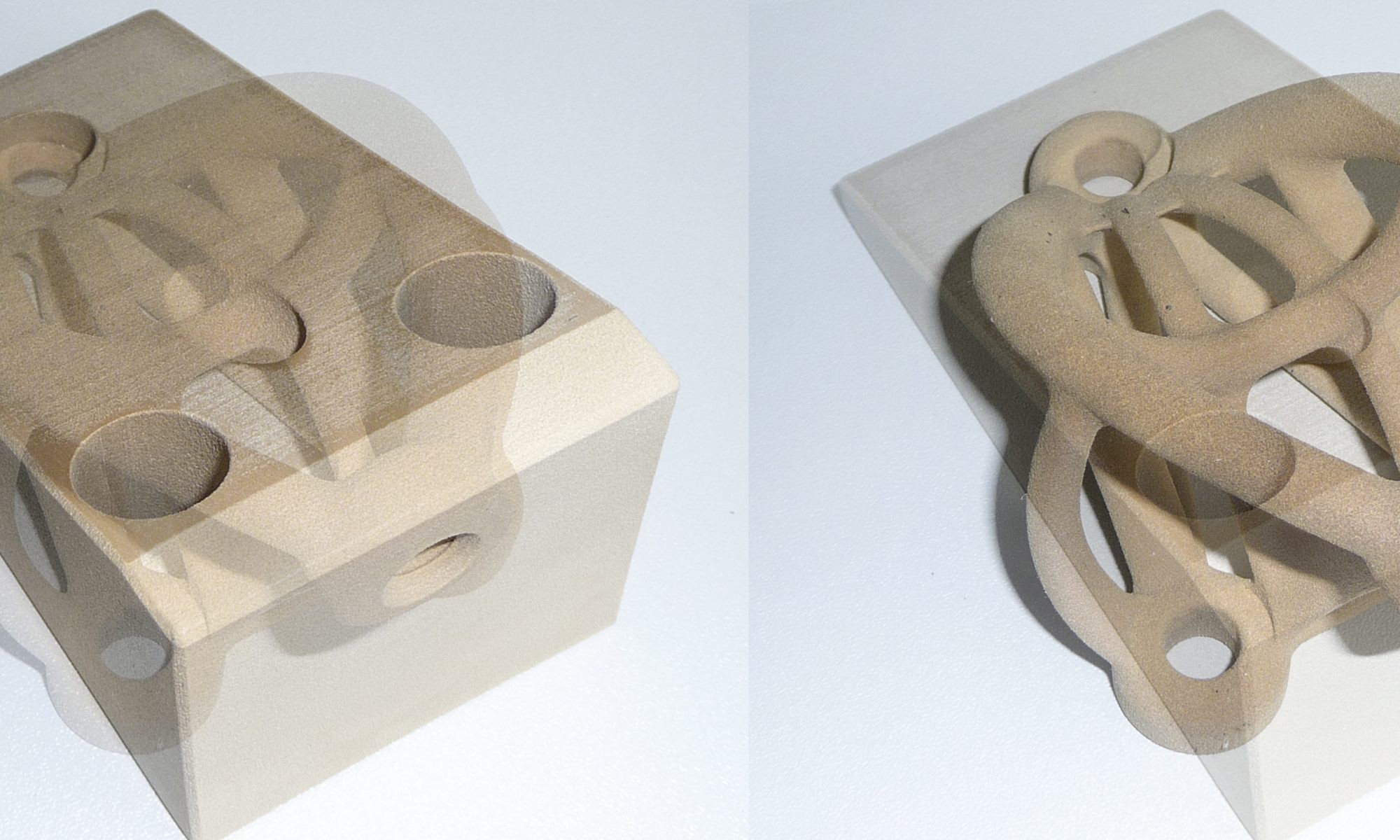
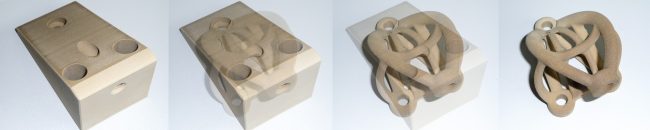
AMPFORS (Additive Manufacturing of Polymer Parts for Space) is seeking to replace the metal structural components used for space applications with lightweight polymer parts. These parts are produced by means of additive manufacturing, which is also known as 3 D printing. To compensate for their lower mechanical stability compared to meta 1, the polymer components are then outfoted with a metallic layer to form a “sandwich” composite. AMPFORS plans to use both the high-performance polymer PEEK and the less expensive material polyamide (PA). In addition to the space sector, this project’s key markets include aircraft manufacturing, mechanical engineering, tool-making, and medical equipment production.
Benefits:
Makes satellite structures up to 20% lighter and up to 50% less expensive
lncorporation of metal coatings improve the mechanical, electrical, and thermal properties of polymers; also prevents the emission of water and monomers
Additive Manufacturing process speeds up component design and production
Fraunhofer IST Brunswick, Germany Dr Andreas Dietz www.ist.fraunhofer.de ondreos.dietz@ist.frounhofer.de
PVT-GAMERS – “Improved Pressure-Volume-Temperature Gauging” Method for Electric Propulsion Systems
In the new era of electric propulsion, where propellant tanks are larger and missions are longer, the accuracy of classic mass retrieval methods has become obsolete. The knowledge of the exact amount of remaining propellant is critical for optimising a spacecraft’s lifespan. A team from Luleå University of Technology has developed the “Improved Pressure-Volume-Temperature Gauging” Method. This method uses existing technology readiness levels (TRL 9) sensing technologies and it improves the physical modelling of the available propellant as well as the accuracy of the classic Pressure-Volume-Temperature (PVT) retrieval techniques. Thanks to smart use of the spacecraft’s telemetry, its implementation will help spacecraft propulsion systems providers, spacecraft operators, telecommunication companies, and space agencies to increase the lifespan of space missions.
Benefits:
More accurate gauging of spacecraft propellant mass
Technology scalable to any propellant tank size
Extension of the lifespan of space missions and their profitability
Low-cost implementation using the existing spacecraft telemetry systems
Propellant control system as a transferable technology to any one-phase pressurised vessel in any sector
FISHinSPACE – Zebrafish Larvae to Study Vertebrate Physiology in Space
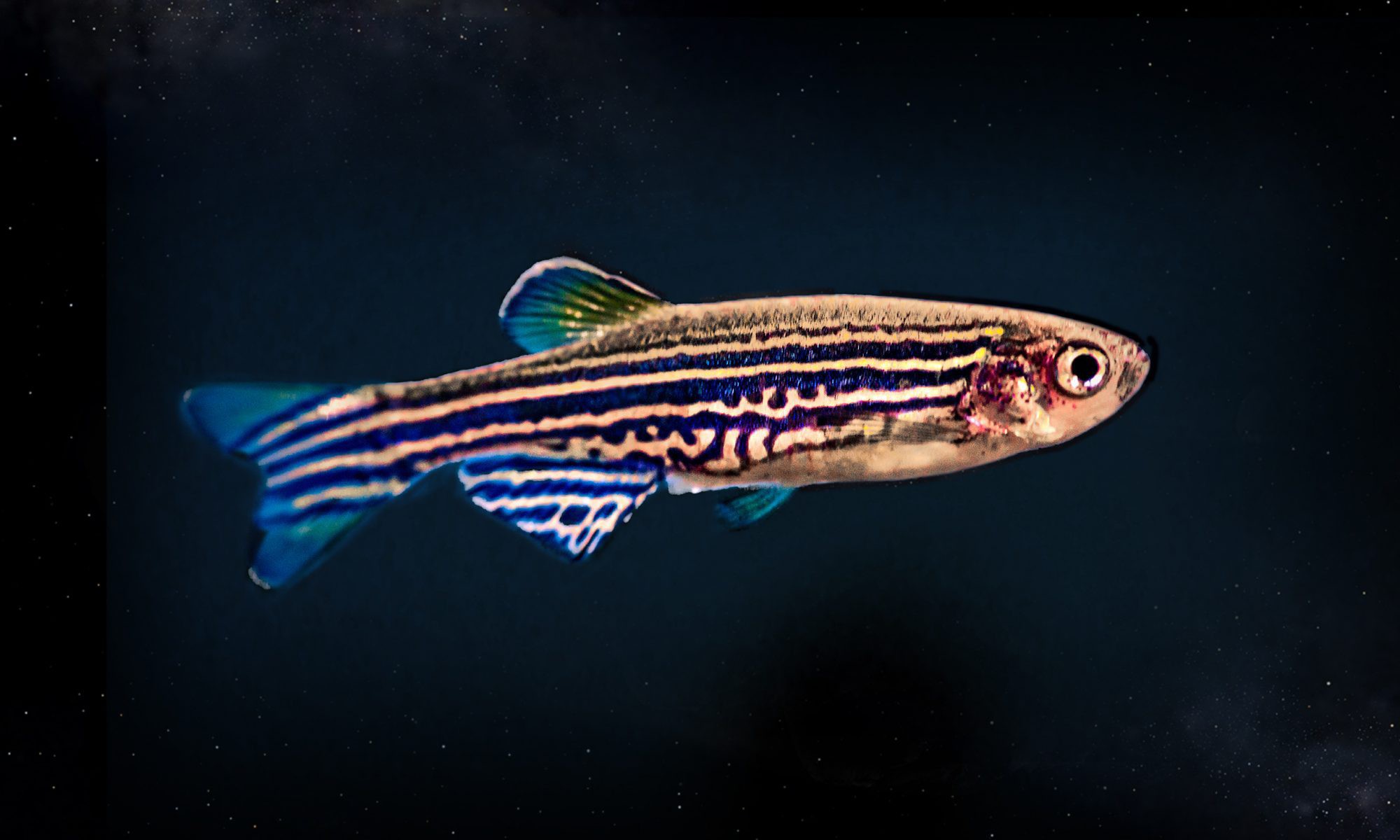
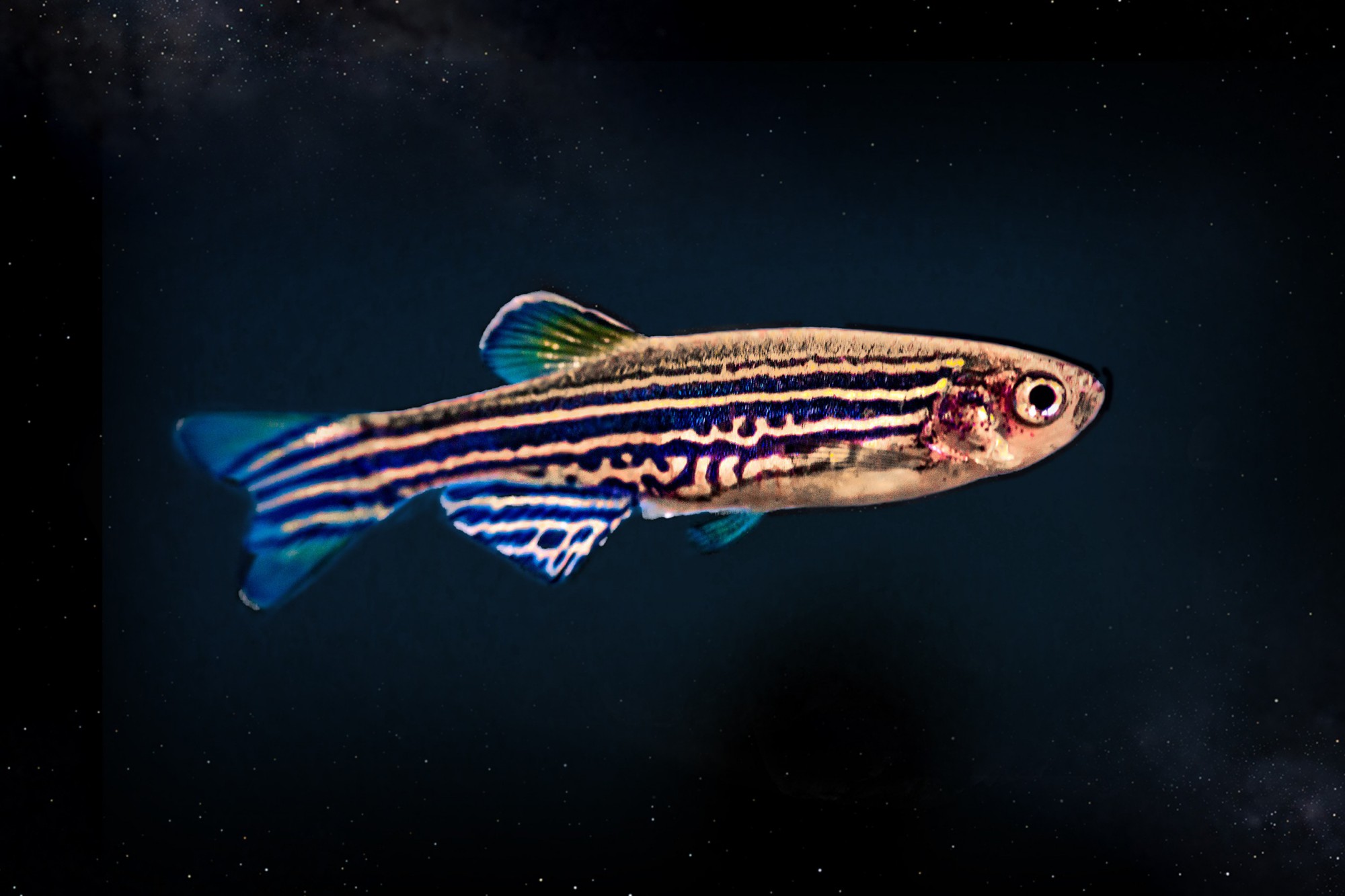
The Zebrafish larvae are the ideal model to study vertebrate physiology in space and to transfer the results to humans. In the “FISHinSPACE” project, the GIGA – Université de Liège will send a platform for microscopic observation of such zebrafish larvae into space. The device for automatic observation of individual larvae is a cheap and highly efficient system model for studying an entire living organism in space conditions. The biggest benefits of this model are the optimisation of human life in an extreme environment, and the exploitation of the space environment to research common health issues.
Benefits:
Zebrafish larvae are highly suitable to study vertebrate physiology under space conditions
Exploiting the space environment as a proxy for researching common health issues, such as aging, osteoporosis, or blood circulatory problems
Space flight market will benefit as life in extreme environments becomes easier
Pharmaceutical industry will benefit from an adaptable platform to develop and test new medicines
GIMOD – Graphene Interferometric Modulation Displays for VR/AR
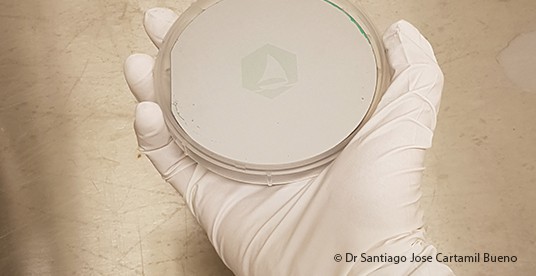
Future displays in astronaut helmets will need to integrate Virtual/Augmented Reality (VR/AR) capabilities for training and operation purposes. The screens of electronic devices with standard technologies consume the most power. Reflective-type displays (e.g. e-book readers) consume little power although current technologies cannot provide colourful images nor fast refresh rates to reproduce videos. Graphene Interferometric Modulation Displays (GIMOD) unite the advantages of the reflective-type technology (low power consumption) with those of standard technologies (video capability), in order to cater to the display requirements in future VR/AR visors. The SCALE project, implemented jointly with Gesellschaft für Angewandte Mikro- und Optoelektronik mbH (AMO) and Graphenea S.A., will commercialise the graphene technology to lead the new semiconductor industry of 2D materials.
Benefits:
Reflective-type display technology with high contrast in bright environments
Ultra-high resolution (>2500 ppi) with low power consumption
Ultimate refresh time (>1000 Hz)
Caters to the requirements of portable VR/AR visors