Register now for our Final Event on 12 November 2026 at the Futurium in Berlin. Join us in celebrating 10 years of INNOspace Masters, and experience the annual conference and award ceremony honouring the winners of the 2026 INNOspace Masters competition. A particular highlight will be a keynote speech by Dorothee Bär, Federal Minister for Research, Technology and Space, followed by her presentation of this year’s Overall Winner.
Look forward to an inspiring event that brings together leading representatives from industry, research, business, politics and the international space community. Engaging keynotes and expert panels will offer plenty of opportunities for networking and lively discussion among all participants. A special anniversary exhibition will showcase some of the most successful projects and outstanding alumni from the competition’s history. Don’t miss the chance to meet the minds behind the winning ideas – and discover how cross-sector collaboration is shaping the future of space innovation.
Admission to the Final Event is free, but registration is required. As places are limited, please register as soon as possible here.
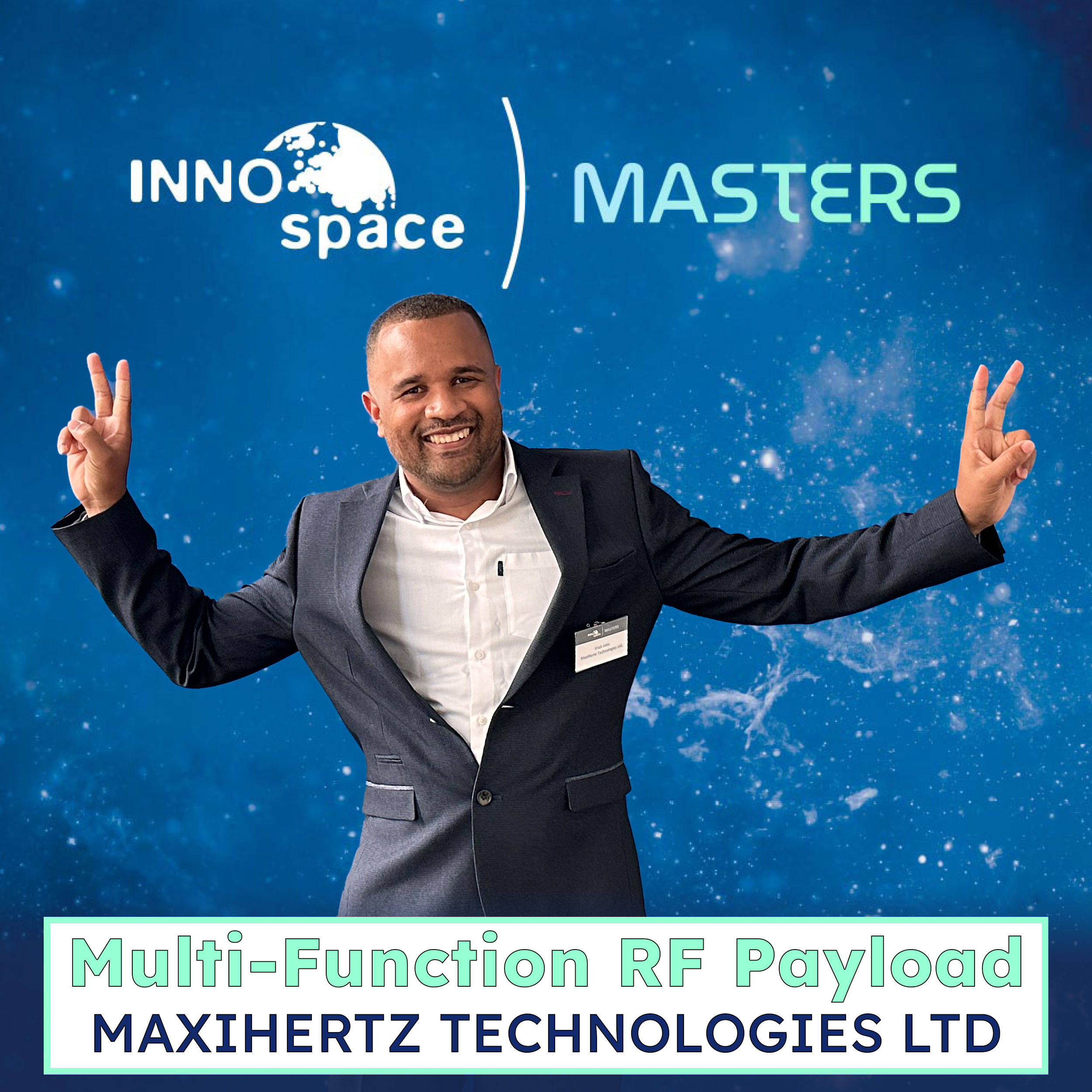
Software-Defined multi-function RF payload enabling integrated sensing, communication and signal intelligence for sovereign end-to-end space systems (Erick Delgado Lima): Current space architectures rely on multiple single-function payloads, limiting performance under spectrum congestion and stringent size, weight, power, and cost constraints. MaxiHertz proposes a software-defined, multi-function Radio Frequency (RF) payload enabling the integration of radar, communications, and protection functions through a shared RF aperture, enhanced with adaptive waveform and machine learning.
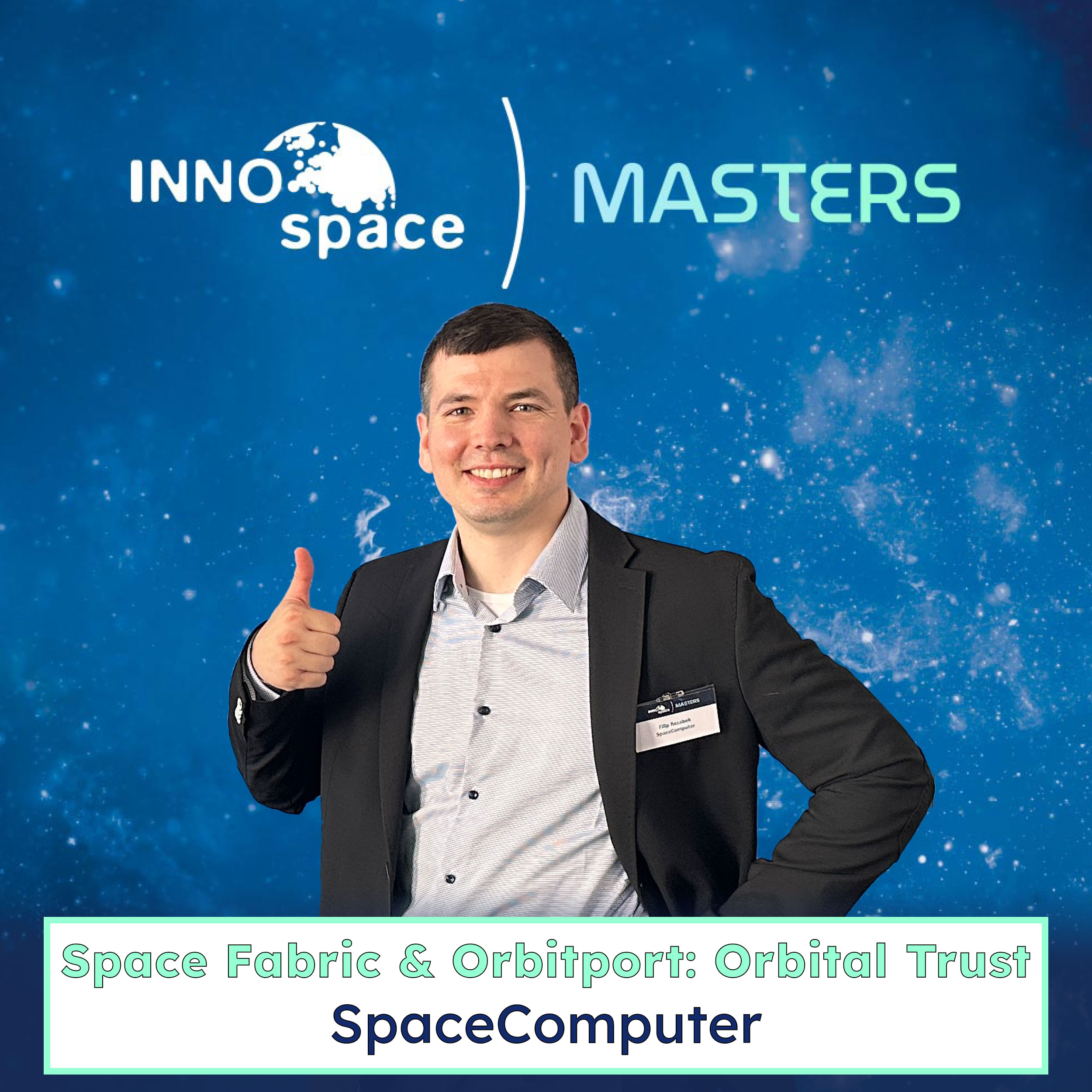
SpaceComputer: Space Fabric & Orbitport: Orbital Trust
On-Orbit Confidential Computing with Dual-Vendor Trust Anchors and PQC-Secured Ground-to-Space Communication Gateway (Filip Rezabek, Daniel Bar): Space Fabric & Orbitport offers a sovereign end-to-end architecture that combines on-orbit confidential computing with a secure ground-to-space communication gateway, delivering a complete trust chain for next-generation space systems.
CMATERIALS: EUSpacePrepreg
Development of EU sourced composite prepregs for space applications (Dr Celeste Pereira, Alexandre Croisé): EUSpacePrepreg focuses on the development and qualification of EU‑sourced composite prepregs that combine pristine and waste‑recovered carbon fibres with conventional and bio‑based resin systems, reducing reliance on petroleum‑derived feedstocks while preserving space‑grade performance. A solution that strengthens European technological sovereignty in space materials, and accelerate the secure availability of sustainable composite prepregs for current and next‑generation European space systems.
Meet the winners and learn more about their exciting innovations at our Final Event on 12 November 2026 in Berlin. Register now!
Meet the TOP 3 of the Mercedes-Benz car2space Challenge 2026
Here are the winners of the Mercedes-Benz car2space Challenge 2026 “Space up your Drive” (in no specific order):
HolistiCRM: SpaceFlow Swarm Mobility Intelligence
SpaceFlow: Copernicus + Galileo + Vehicle Swarm Sensor Fusion with RL for Predictive DRIVE PILOT Hazard Horizon Extension (Csongor Fekete): At 130 km/h, automated driving systems have only 2.3 seconds of awareness beyond their 300-metre sensor range, leaving hazards such as a pile-up 5 km ahead or black ice 20 minutes away undetected. SpaceFlow addresses this limitation by extending hazard prediction up to 100 kilometres ahead. By combining satellite radar with real-time, anonymised object-level detection data from vehicle fleets, the system generates hazard forecasts up to 120 minutes in advance. The accuracy of these predictions is significantly enhanced by the aggregated data from the fleet, enabling reliable insights beyond the sensing range of individual vehicles.
Splatica: Sim2Real Twins for Future Mobility
Sim2Real Digital Twins for Autonomous Mobility and Robotics Training (Andrey Shelomentsev, Eugene Nikolsky, Marat Bashlykov): Splatica converts short video clips from the real world into structured, simulation-ready digital twins for autonomous mobility and robotics. Instead of relying on expensive three-dimensional laser scanning (LiDAR) or manually created synthetic environments, Splatica reconstructs real-world spaces using footage from standard cameras and converts these into object-aware, physics-ready OpenUSD scenes that can be used for training, validation and preparation for deployment. The vision is to make the integration of real-world environments into future mobility systems significantly faster and more cost-effective.
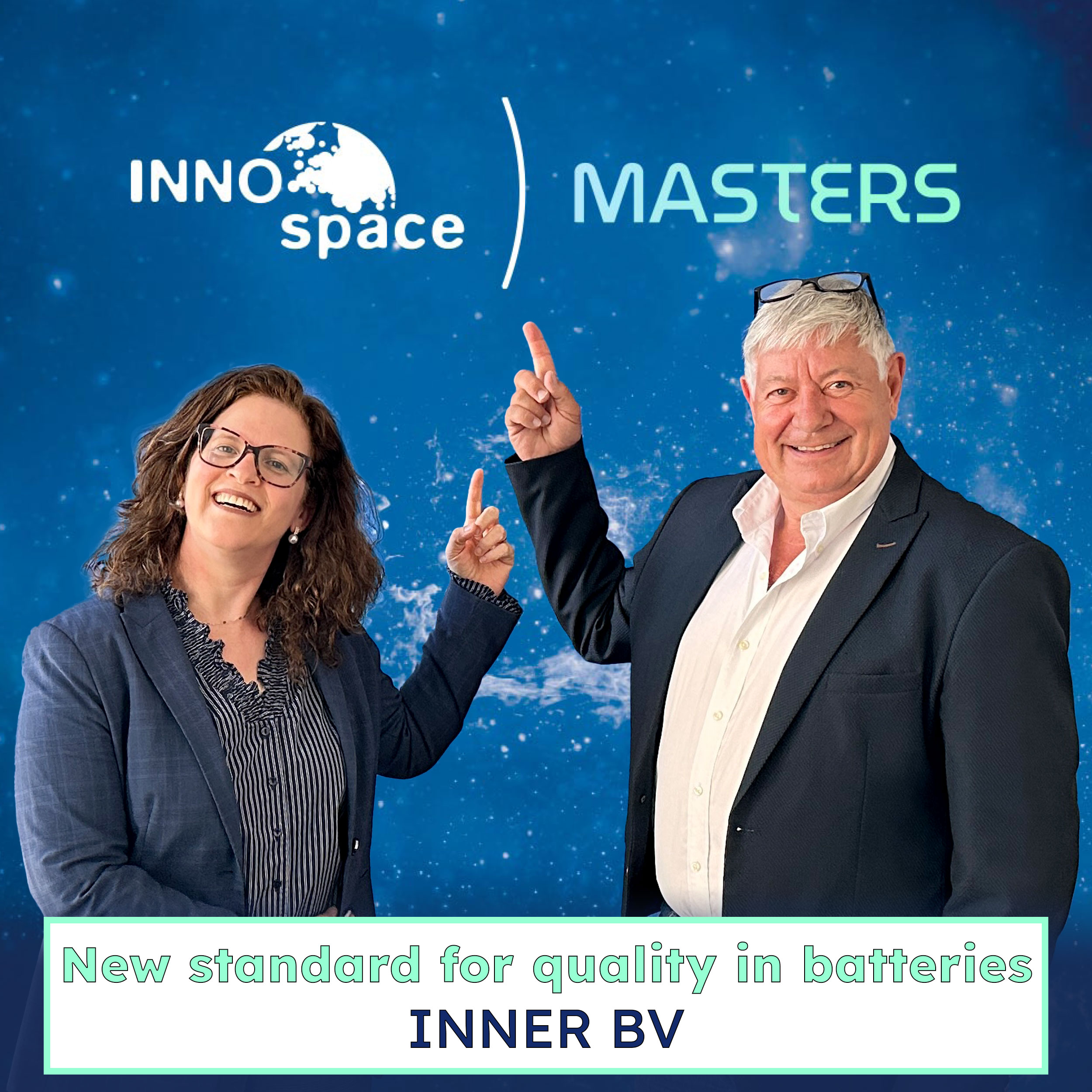
INNER BV: New standard for quality in batteries
AI-Driven X-Ray Inspection Platform for High-Throughput EV Battery Quality Assurance and Life-Cycle Diagnostics (Efrat Avnet Steinberg, Mark Crocker, Dr Hans Buurman): Around 5% of battery packs are sold with physical faults created in the assembly process which can lead to catastrophic failure or high warranty costs. INNER provides a patented platform combining high-speed X-ray imaging with AI-driven pattern recognition at production speed to ensure every battery pack is fault free, safer, lasts longer, and is optimized for repair and second life.
Meet the winners and learn more about their exciting innovations at our Final Event on 12 November 2026 in Berlin. Register now!
Meet the TOP 3 of the Airbus Challenge 2026
Here are the winners of the Airbus Challenge 2026 “Boosting Earth-Space Industry Partnerships” (in no specific order):
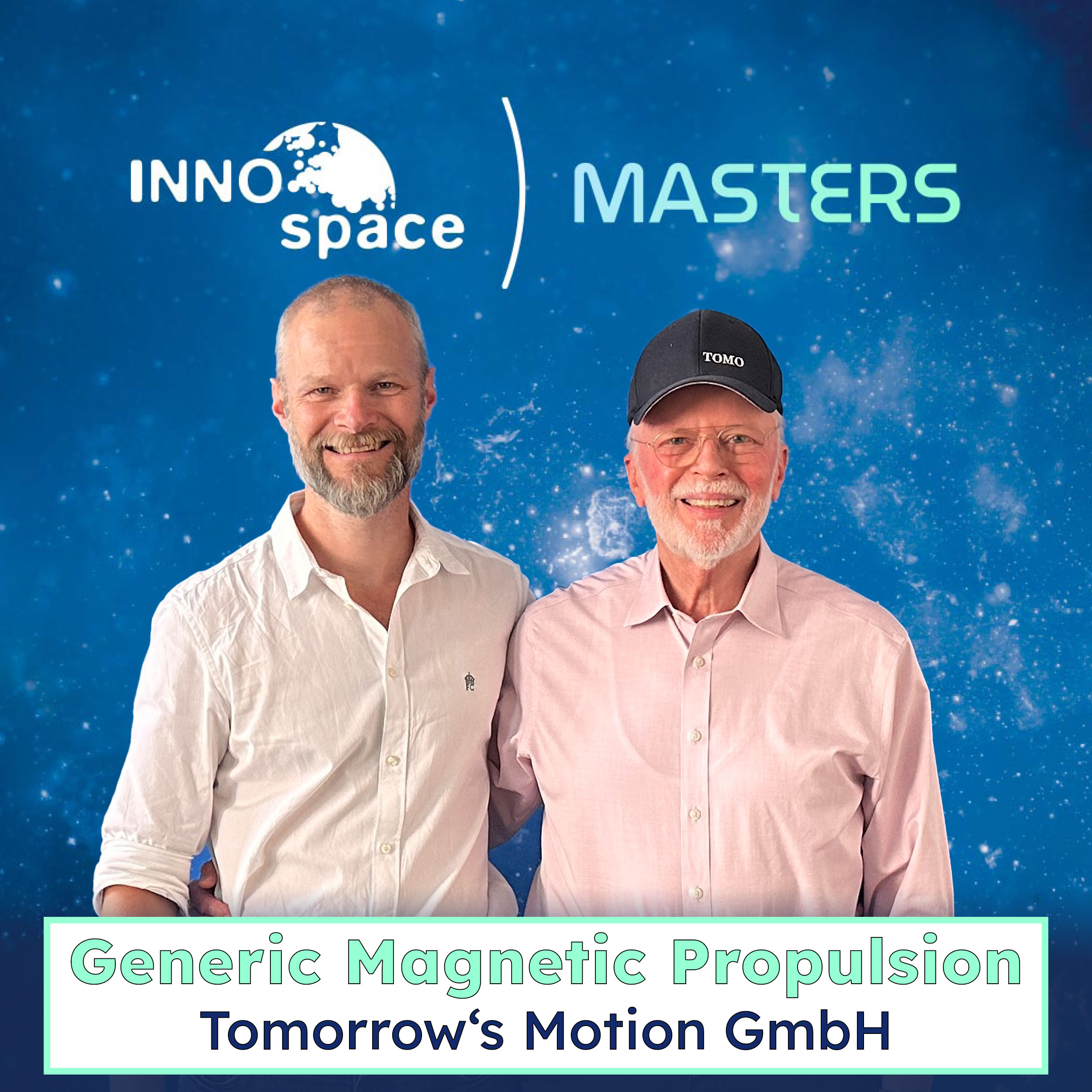
Tomorrow’s Motion GmbH: Generic Magnetic Propulsion (GMP)
A Propellant‑Free, Fully Electric Lorentz‑Force System for VLEO/LEO Small‑Satellite Mobility (Axel May, Lutz May, Peter May): GMP is a fully electric, propellant‑free propulsion system for small satellites. It generates thrust by driving controlled currents through air‑core coils that interact with the geomagnetic field, producing Lorentz‑force impulses without fuel, valves or plume contamination. This enables lighter, simpler and more sustainable spacecraft.
Latitudo 40: EarthDataInsights
From orbit to adaptation decision: an Urban Physics Engine turning satellite data into prescriptive urban climate resilience intelligence (Francesco Amato, Gaetano Volpe, Mauro Manente, Dr Giovanni Giacco): Urban heat kills more Europeans than floods and wildfires combined. Yet urban decision-makers still allocate adaptation budgets based on coarse risk scores and static hazard maps. EarthDataInsights introduces two novel capabilities: a causally-coupled Compound Urban Risk Index (CURI) that physically models interactions between thermal stress, flooding, and air quality; and an AI simulation layer that autonomously synthesises and physically validates optimal mitigation portfolios under budget, land, and equity constraints.
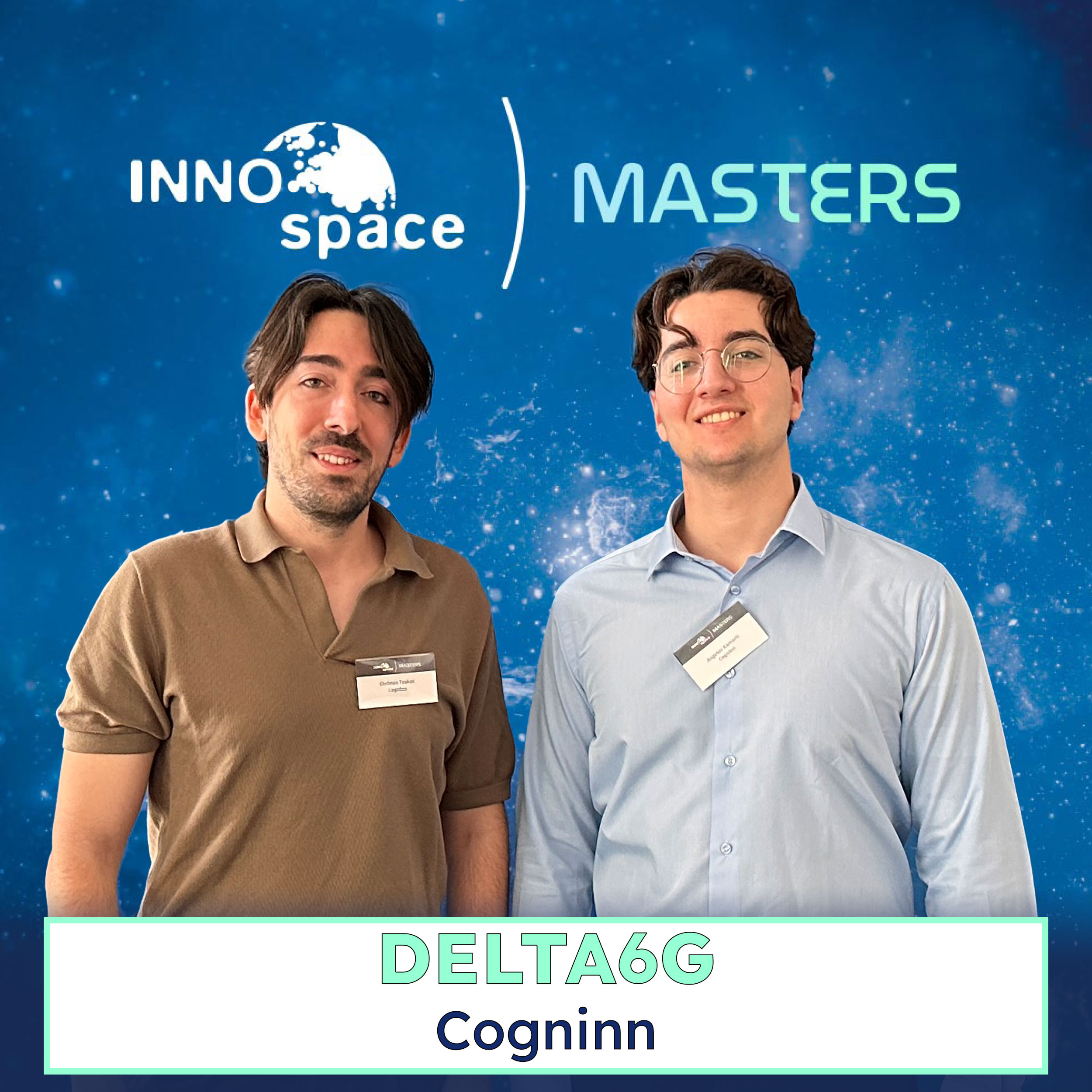
Cogninn: DELTA6G
A delay-tolerant, secure, multi-orbit 5G/6G connectivity system (Christos Tsakos, Angelos Kamaris, Antonis Grammenos, Dr Fotis Foukalas): As 5G/6G networks expand beyond terrestrial infrastructure, integrating satellites into global connectivity becomes essential. Current 5G/6G Non-Terrestrial Networks (NTN) integration assumes continuous connectivity, but real multi-orbit environments suffer from intermittent links, mobility, and cross-domain trust issues. DELTA6G proposes a delay-tolerant 5G/6G NTN connectivity platform that enables reliable and secure multi-orbit communication by combining store-and-forward mechanisms, distributed RAN split architectures, and zero-trust security enforcement.
Meet the winners and learn more about their exciting innovations at our Final Event on 12 November 2026 in Berlin. Register now!
Meet the TOP 3 of the ESA BA Challenge 2026
Here are the winners of the ESA BA Challenge 2026 “Space for a Resilient Society” (in no specific order):
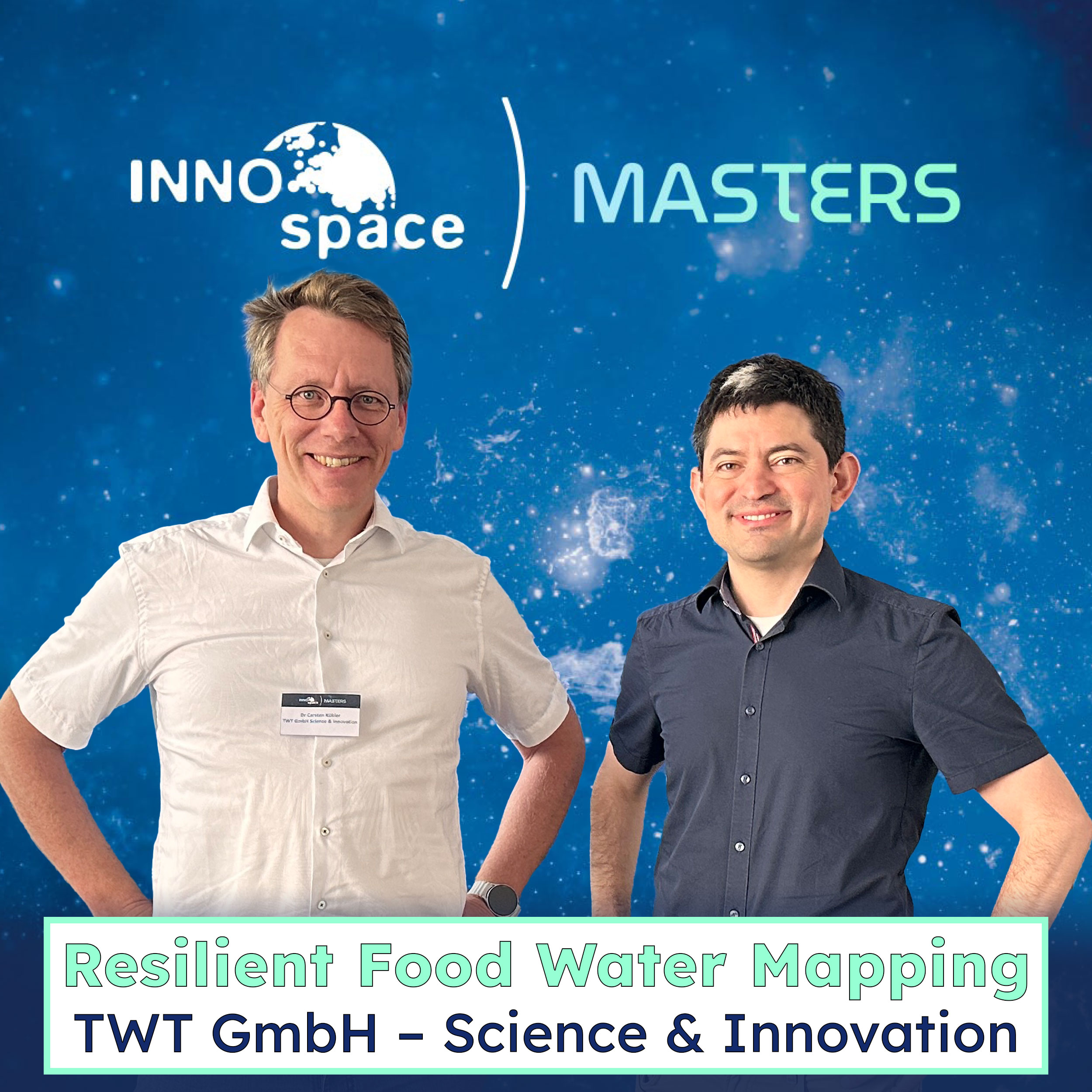
TWT GmbH – Science & Innovation: Resilient Food Water Mapping
AI‑Enhanced Mapping for Sustainable Food and Drinking‑Water Resilience: Integrated Satellite and Ground Sensor Analytics for European Agriculture (Dr Carsten Kübler, Dr Enrique Guerrero Merino, Dr Martin Obstbaum): The supply of food and drinking water in Europe is increasingly under threat from climate change, groundwater depletion and rising demand. This project offers a resilient agricultural system that uses Earth observation data and smart ground sensors to enable proactive, resource-efficient decision-making. It provides real-time resource maps and classifies every agricultural parcel according to the optimal food type, water demand and expected yield under current and forecast conditions.
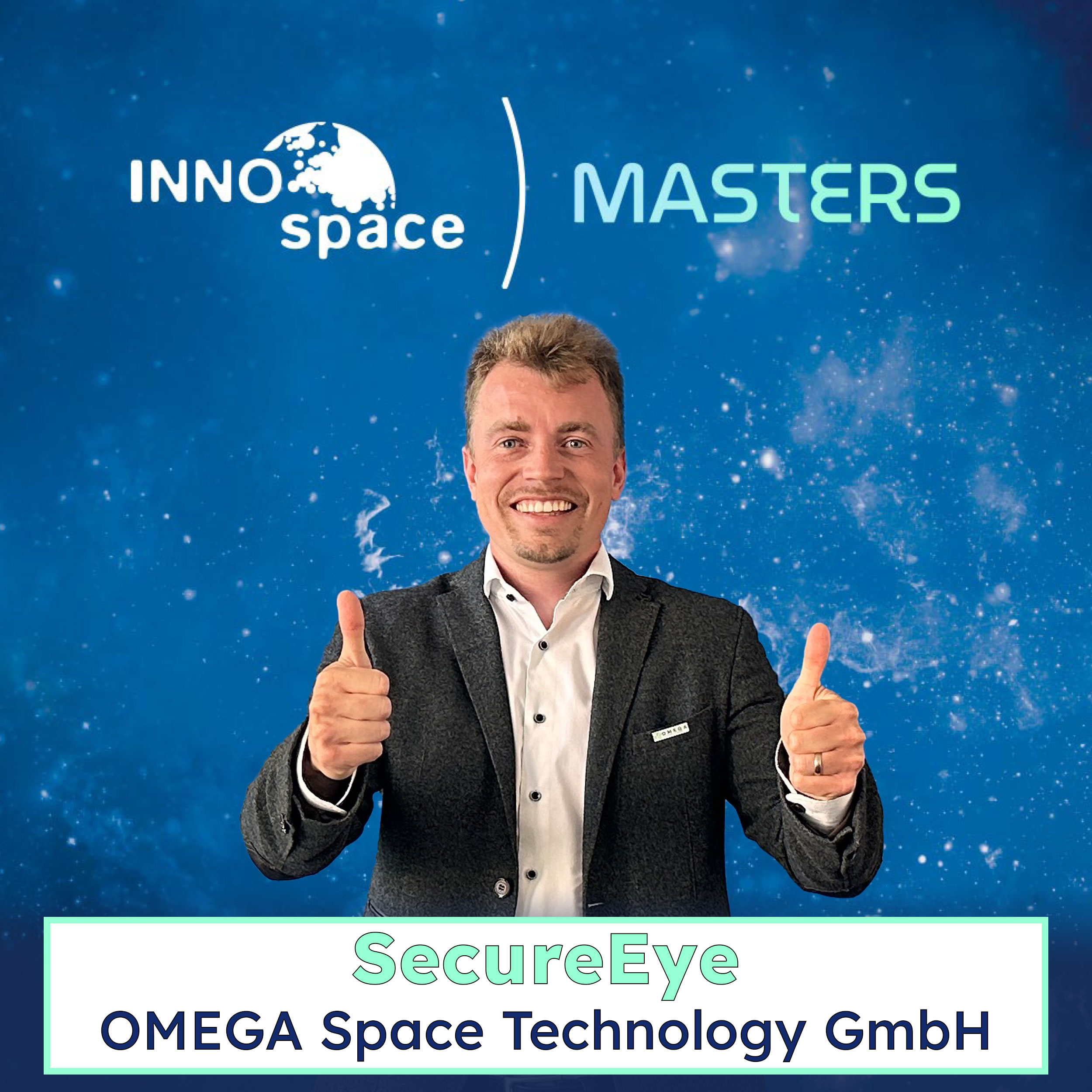
OMEGA Space Technology GmbH: SecureEye
Satellite-Powered Crop Monitoring Platform for Agricultural Insurers to Enable Proactive Damage Prevention Across Europe (Marcel Winzen, Sherif Elsayed): SecureEye is a satellite-powered crop monitoring service that allows agricultural insurers to provide their insured farmers with proactive damage prevention. Rather than simply reacting to losses, insurers can become active partners in protecting crops. The AI platform delivers field-level crop health monitoring, drought stress alerts and growth anomaly detection for farmers. For insurers, it provides aggregated crop health analytics, regional risk heat maps and early warnings across all insured farmland.
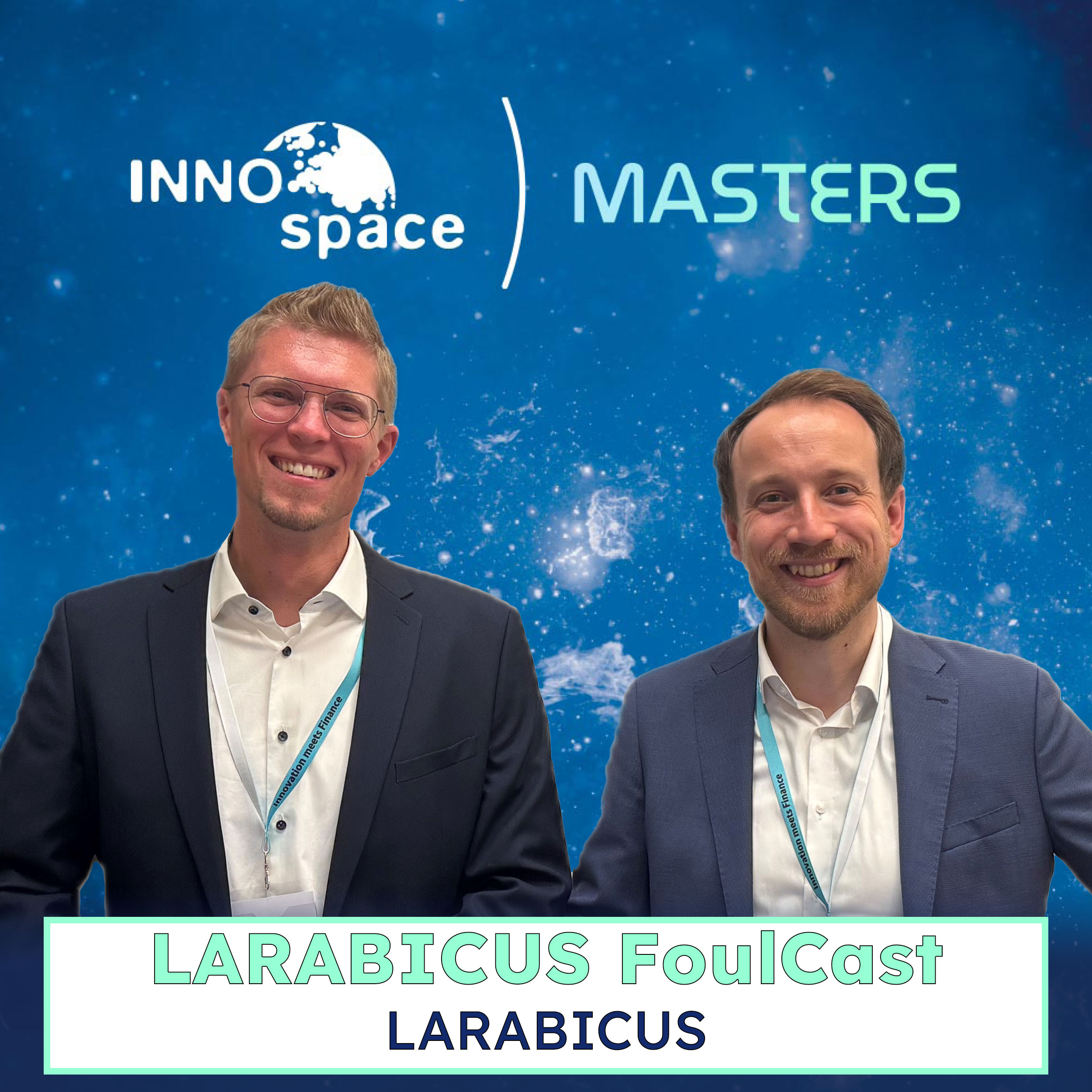
LARABICUS: LARABICUS FoulCast
Satellite-Optimised Autonomous Hull Cleaning for Maritime Decarbonisation and Biofouling Compliance (Thomas Schomberg, Dr Florian Gerland): Biofouling on ship hulls can increase fuel consumption by up to 25%. The initial slime layer (biofilm) takes hours to weeks to form, depending on environmental conditions. LARABICUS solves this problem using autonomous robots that remove the biofilm continuously during normal sea passages, before it can cause damage. This service is enhanced by a satellite-based fouling analysis module that uses vessel-specific parameters to estimate the growth pressure of biofilms per route segment and season.
Meet the winners and learn more about their exciting innovations at our Final Event on 12 November 2026 in Berlin. Register now!
Meet the TOP 3 of the ESA BIC Challenge 2026
Here are the winners of the ESA BIC Challenge 2026 “Join the New Space Economy” (in no specific order):
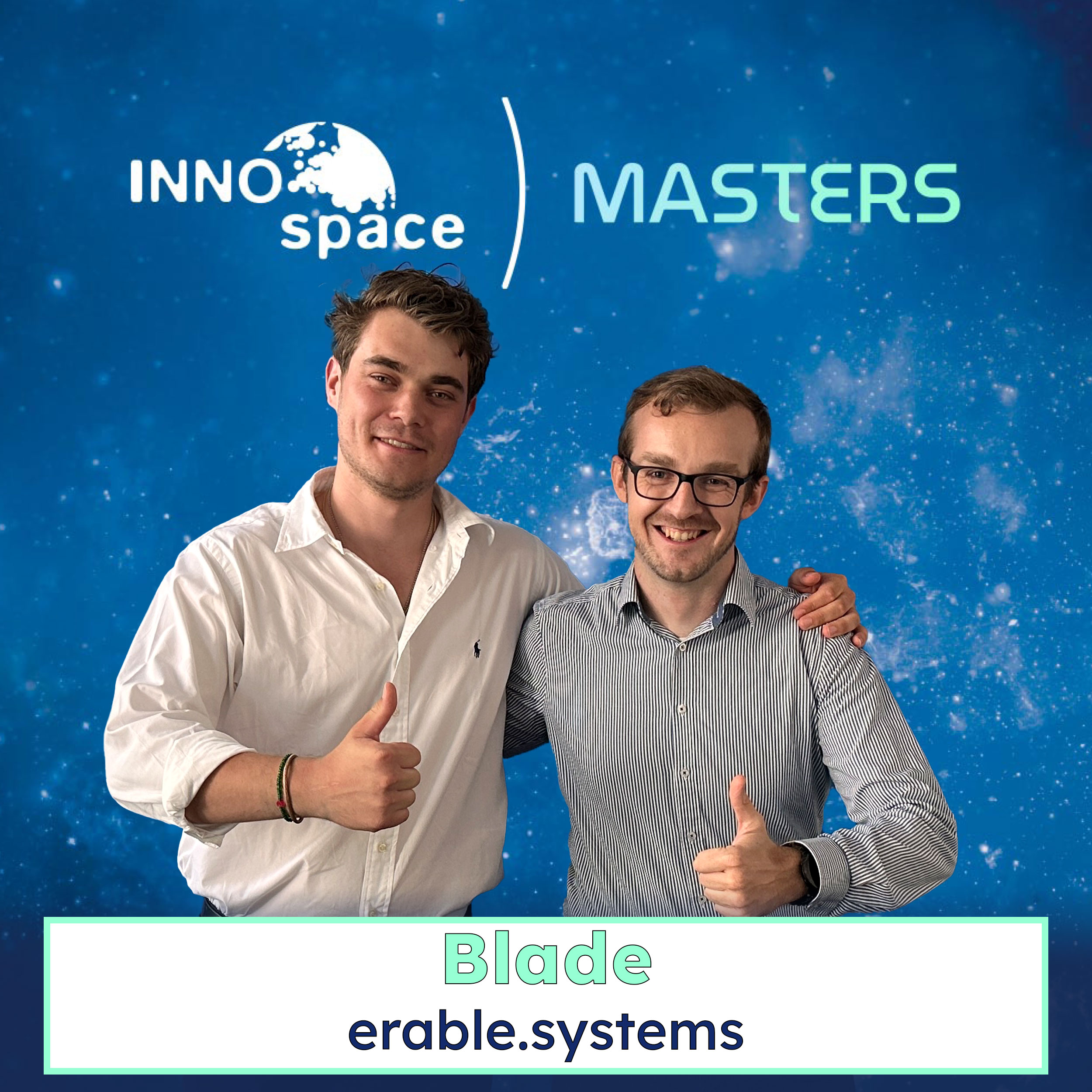
erable.systems: Blade
Autonomous Controlled Descent System (ACDS) Autorotation system for controlled deployment of lightweight systems and mesh-networks (Maximilian Hesse, Clemens Riegler, Niklas Johne, Julian Junker): Blade is an autonomous, efficient sensor deployment platform for scalable in-situ data collection in areas where distributing sensors manually is too complex, risky, or costly. Nowadays critical information is mainly gathered via drones or satellites which are limited by flight time, weather, access windows, and distance from the actual point of interest. As a result, local data is often missing exactly where decisions must be made. Blade’s controllable carrier and landing system deploys sensors precisely, affordably, and at large scale.
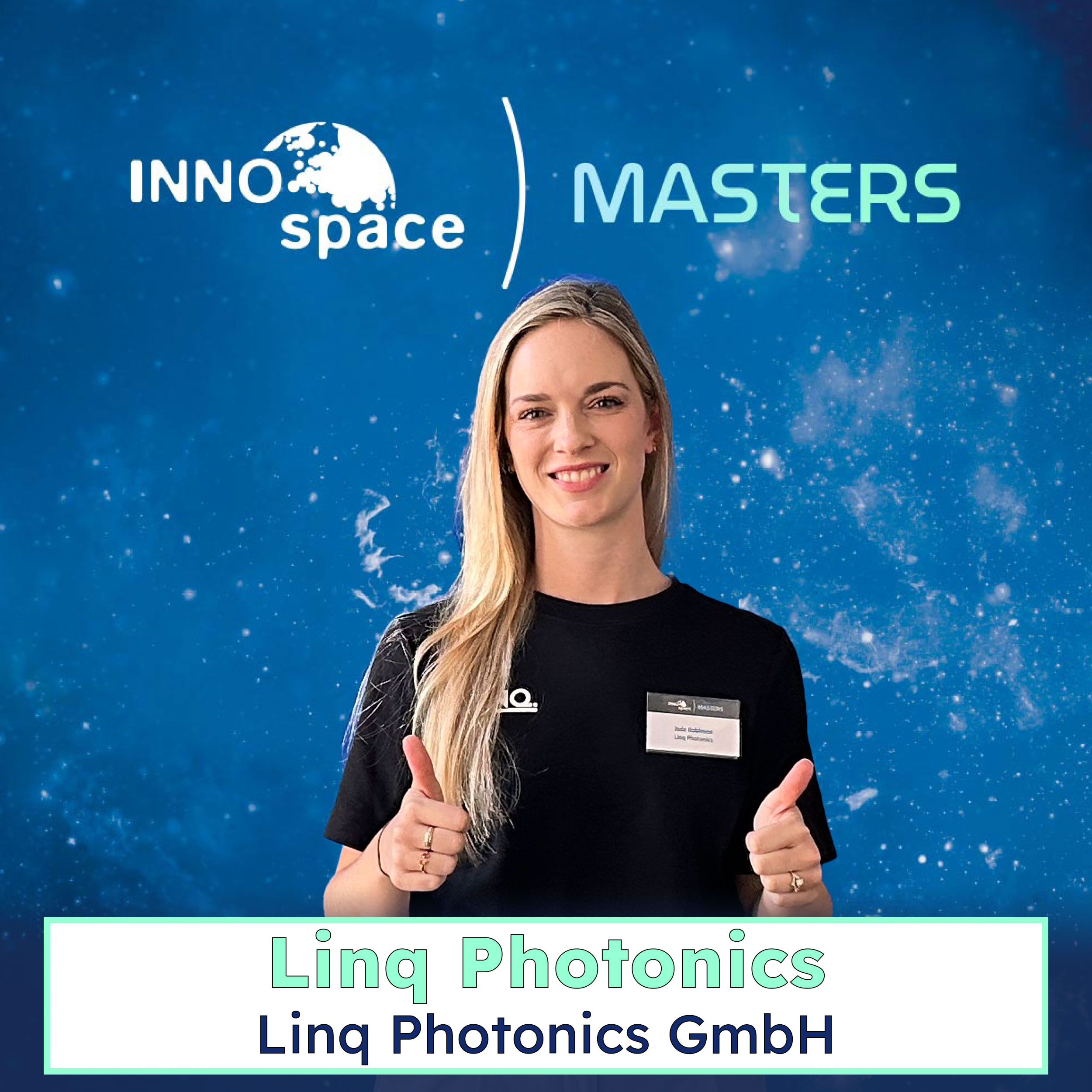
Linq Photonics GmbH: Linq Photonics
Chip-level integrated photonic light modulators that split a laser into 3X more channels than current solutions (Jade Robinson, Julius Römer, Julian Rasmus Bankwitz): Linq Photonics develops compact, high-performance photonic components for quantum computing, optical satellite communication, and space applications. These systems require precise and stable electro-optic laser modulation for laser control, timing, encoding, and communication. Unlike conventional bulky optical setups, Linq’s chip-integrated photonic modulators provide three times more channels while using only 10% of the space. Their alignment-free design offers exceptional stability and reliable operation in cryogenic, vacuum, and thermally demanding environments.
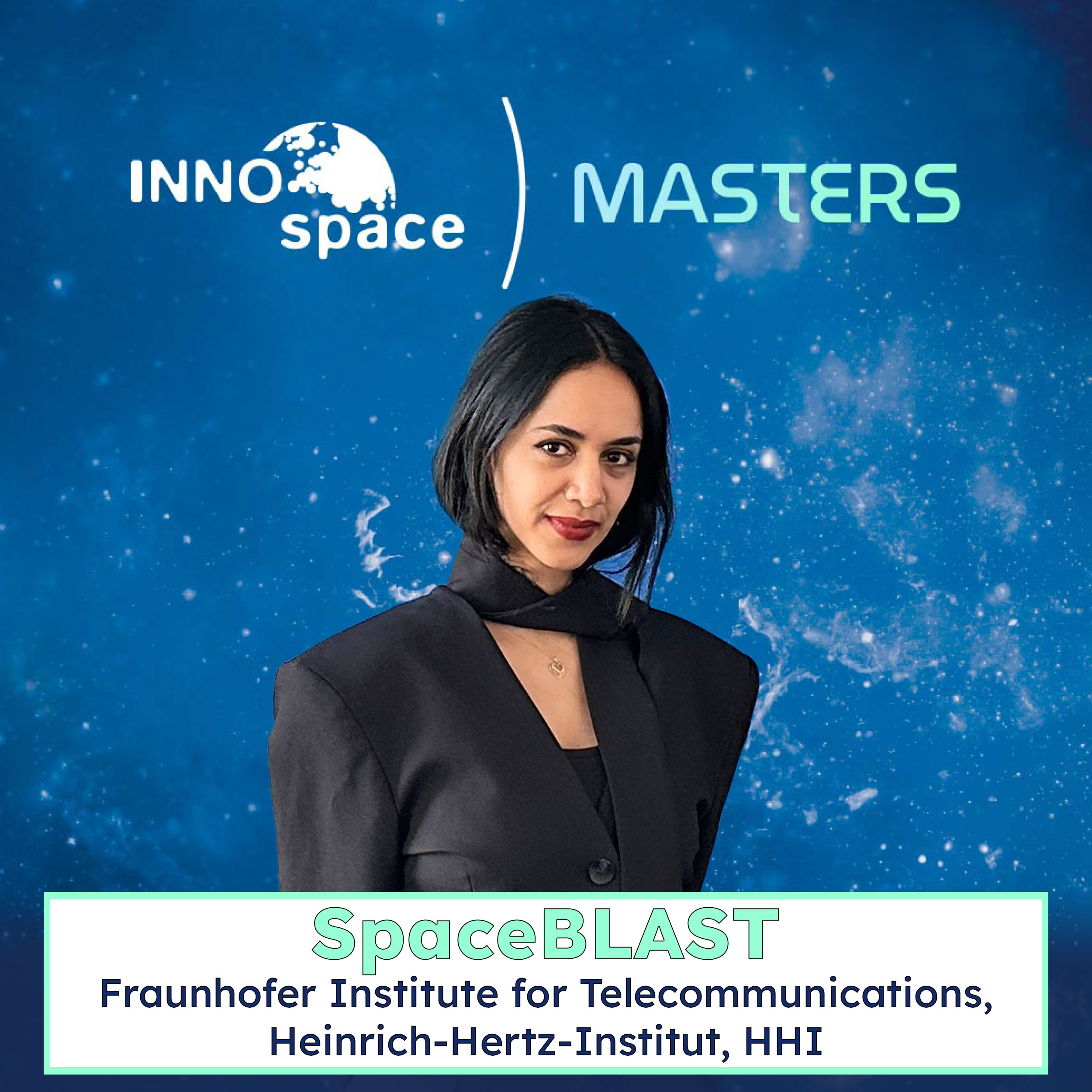
Fraunhofer Institute for Telecommunications, Heinrich-Hertz-Institut, HHI: SpaceBLAST
Laser surface structuring of hard metals to increase the built-in emissivity of the material for thermal management in space (Hanan Al-Haddar, Dr Ahmad Abdalwareth): Overheating of spacecraft systems and components is one of the main reasons for space missions’ failure. Our patented femtosecond laser surface‑structuring technology enhances the emissivity of hard metals, enabling reliable and robust thermal regulation for space applications. The femtosecond laser increases the built-in emissivity of the material up to 99%, while preserving other properties of the bulk material like conductivity and magnetism.
Meet the winners and learn more about their exciting innovations at our Final Event on 12 November 2026 in Berlin. Register now!
Meet the TOP 4 of the German Space Agency at DLR Challenge 2026
Here are the winners of the German Space Agency at DLR Challenge 2026 “Groundbreaking Cross-Sector Innovations”. We have chosen two winners in each of two categories (in no specific order):
Category “Research Consortium”:
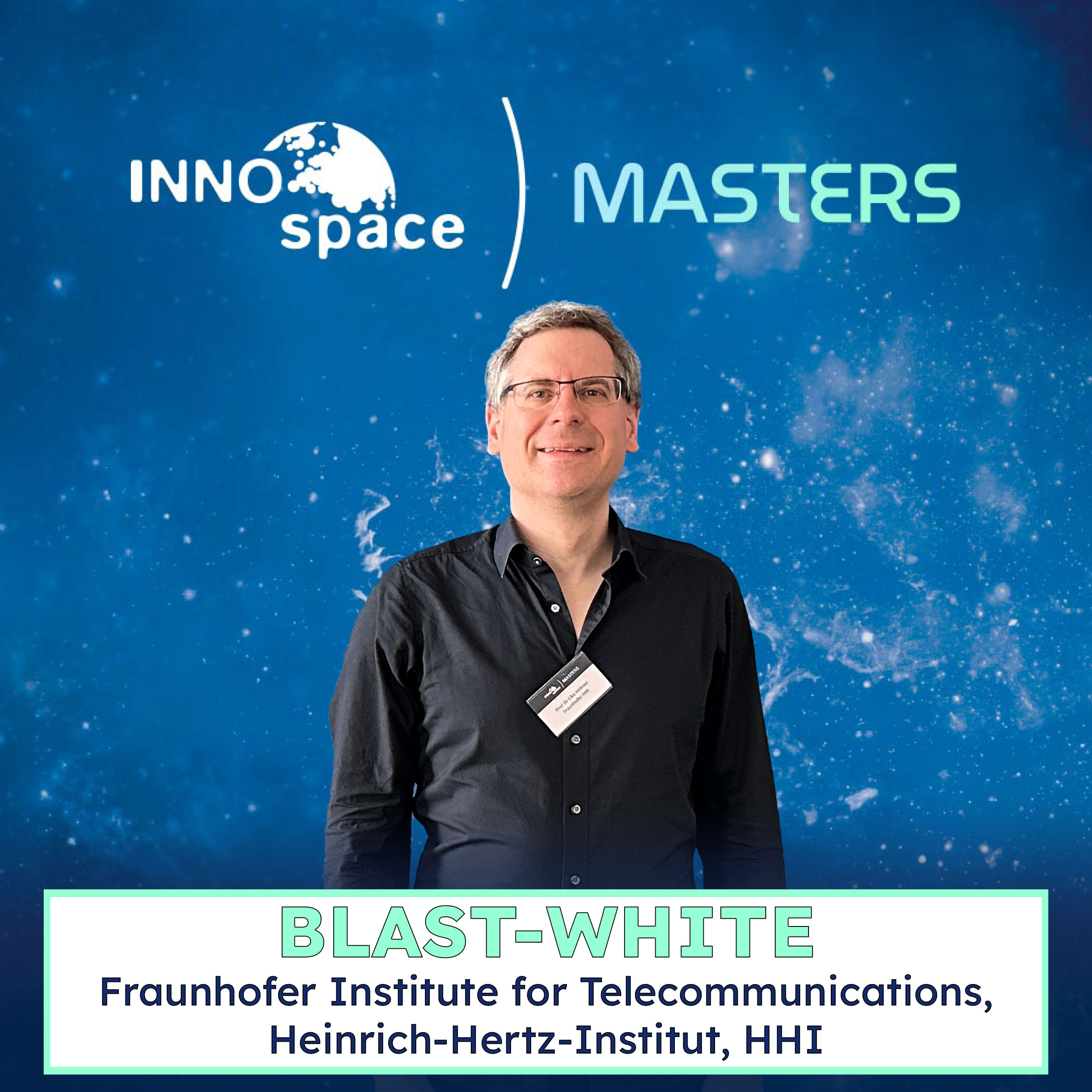
Fraunhofer Institute for Telecommunications, Heinrich-Hertz-Institut, HHI: BLAST-WHITE
White laser structured metal surfaces with maximized thermal emissivity and minimized visible light absorptivity (Prof Dr Eike Hübner): Thermal management is a major challenge for spacecrafts. In the vacuum of space, heat can only be dissipated by thermal radiation. However, good thermal emitters are typically also strong solar absorbers. An ideal surface therefore reflects visible sunlight to minimize heating while efficiently emitting thermal radiation. This project addresses this challenge by developing sustainable, white, highly reflective, and thermally emissive surfaces through femtosecond laser structuring of bulk materials.
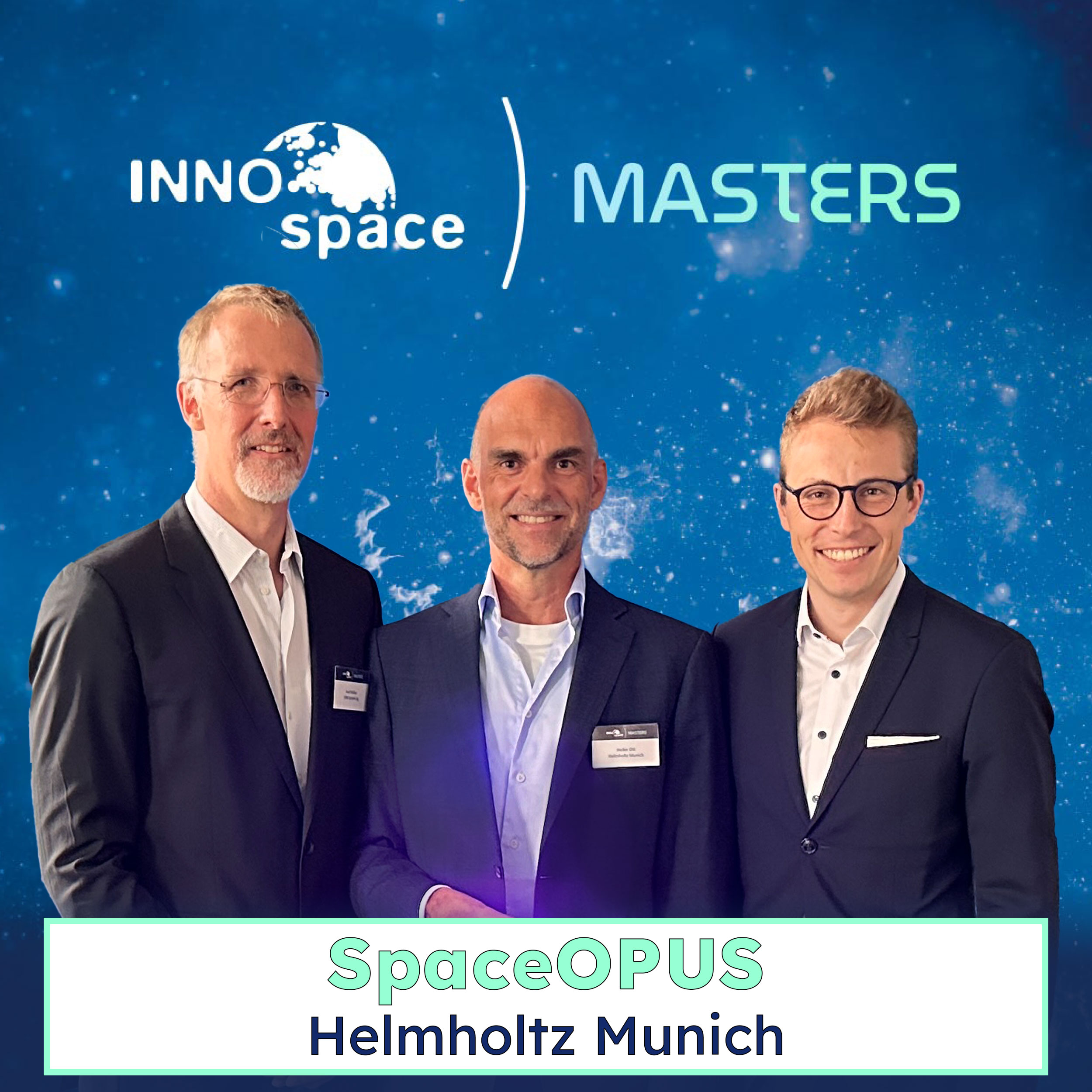
Helmholtz Munich: SpaceOPUS for venous thrombosis risk monitoring
A novel optoacoustic–ultrasound platform for venous thrombosis risk monitoring in space and transformative cardiovascular care on Earth (Axel Müller, Heiko Ott, Maximilian Bader): Long-duration spaceflights cause persistent fluid shifts towards the head of astronauts, increasing the risk of thrombosis. SpaceOPUS uses ultrasound examinations alongside functional optoacoustic oxygen saturation monitoring to provide novel, spaceflight-derived biomarkers and mechanistic insights into specific veins and surrounding tissues. This enables the early detection of problems and the initiation of countermeasures.
Category “Industry”:
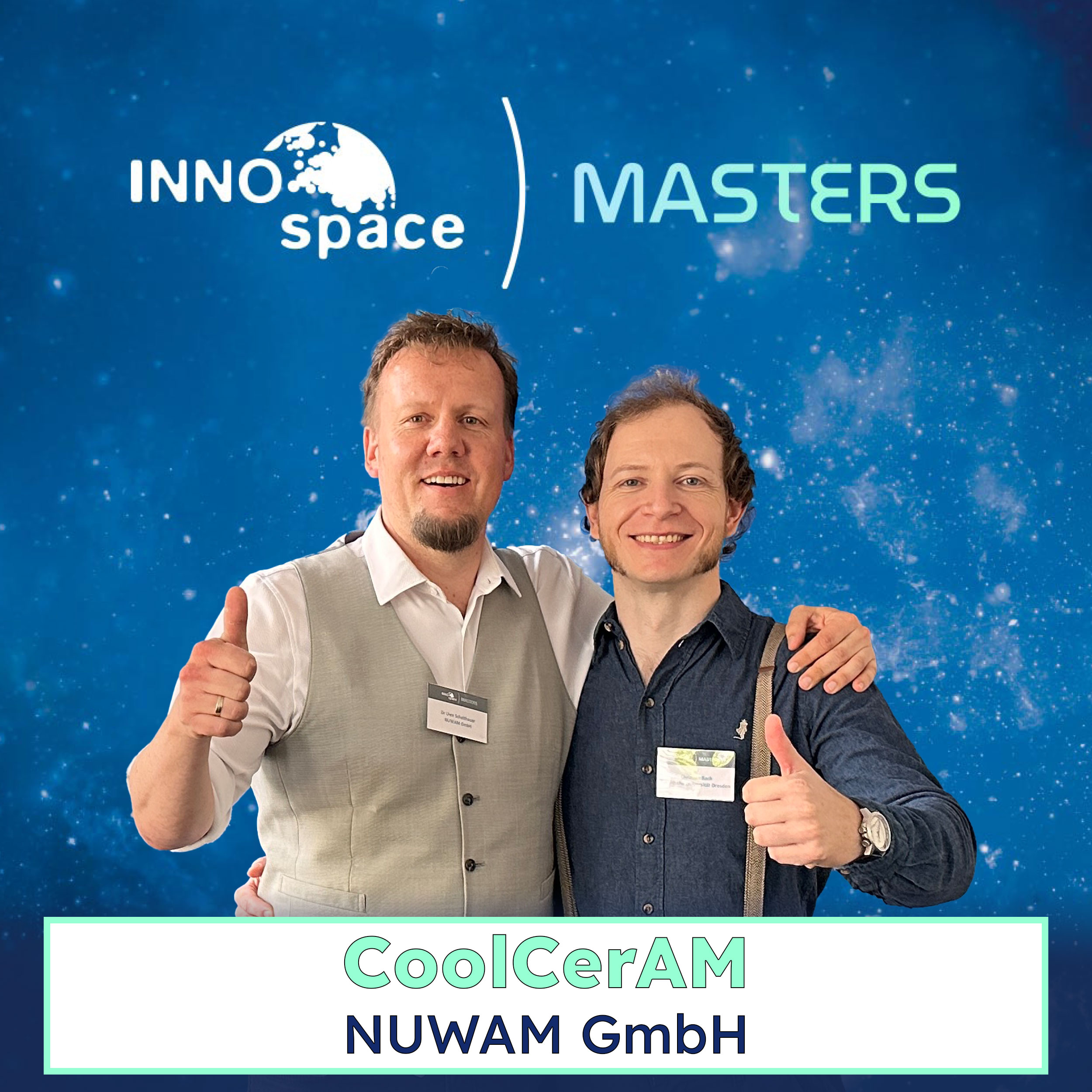
NUWAM GmbH: CoolCerAM – Additive manufacturing of ceramic transpiration cooling
Additive manufacturing of high-performance ceramic components with integrated graded porosity for transpiration cooling (Dr Uwe Scheithauer, Dr Christian Bach): High-performance electronics must be cooled precisely where heat is generated and where materials are subject to maximum thermal stress. The CoolCerAM project develops heat-resistant ceramic components with integrated cooling by building a complete manufacturing process, from ceramic powders and 3D printing to post-processing and testing. By creating controlled porosity, the new ceramic components provide more effective cooling than conventional heat sinks while reducing weight and improving efficiency.
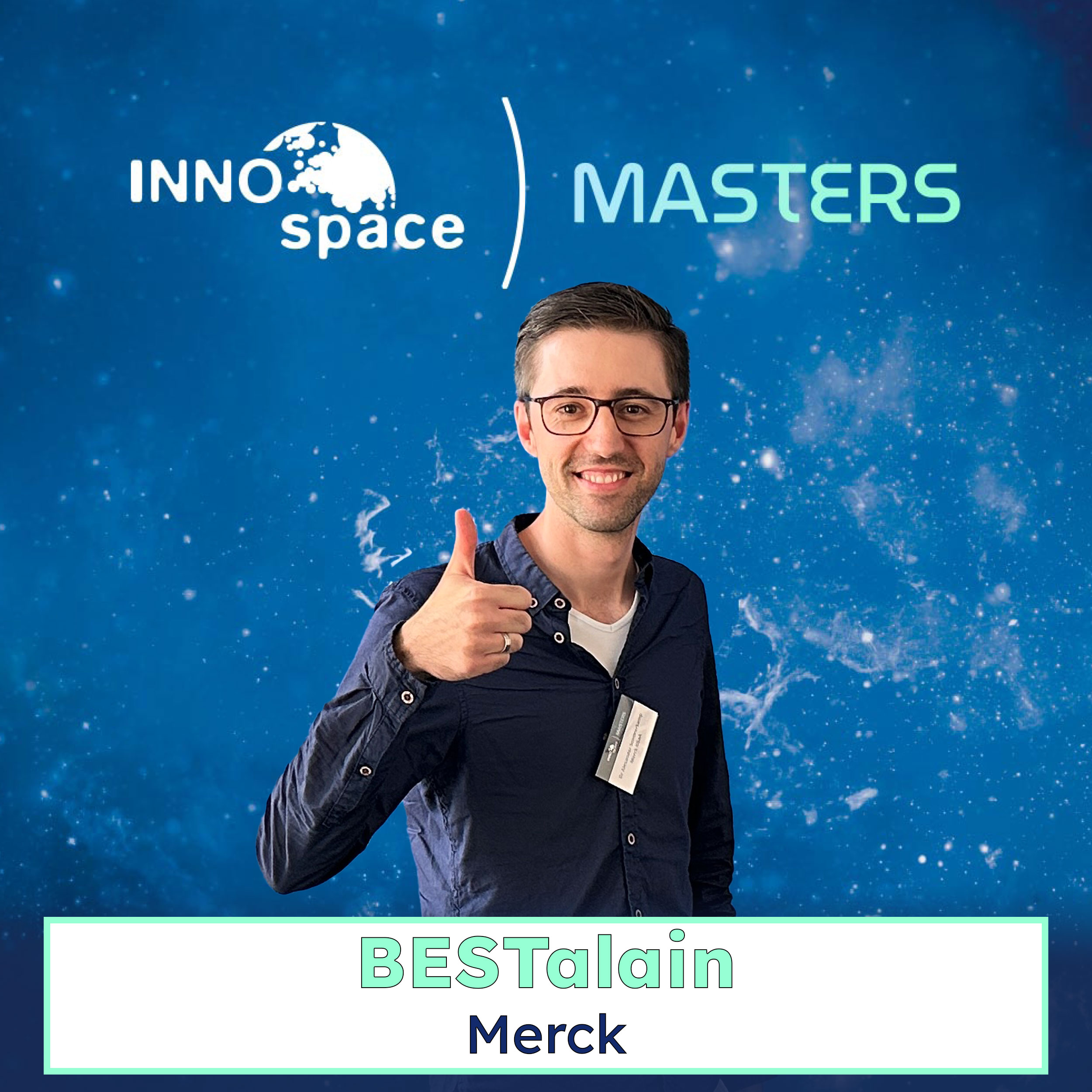
Merck: BESTalain – Deep Space Radioprotector
Harnessing and Optimizing Nature’s Radiation Shield to Protect Astronauts in Deep Space (Dr Alexander Sommerkamp, Dr Maike Kober Hasslacher, Dr Ulrich Betz): Radiation is one of the greatest barriers to human space exploration. Beyond Earth’s magnetic field, high-energy particles damage cells and threaten astronaut health – with no effective pharmacological solution yet available. BESTalain addresses this gap by developing radioprotective compounds inspired by natural pigments, then optimizing them through advanced pharmaceutical chemistry. The result: a safe, orally administered radioprotector purpose-built for astronauts, with future potential in aviation, nuclear medicine and emergency response.
Meet the winners and learn more about their exciting innovations at our Final Event on 12 November 2026 in Berlin. Register now!
Facts & Figures
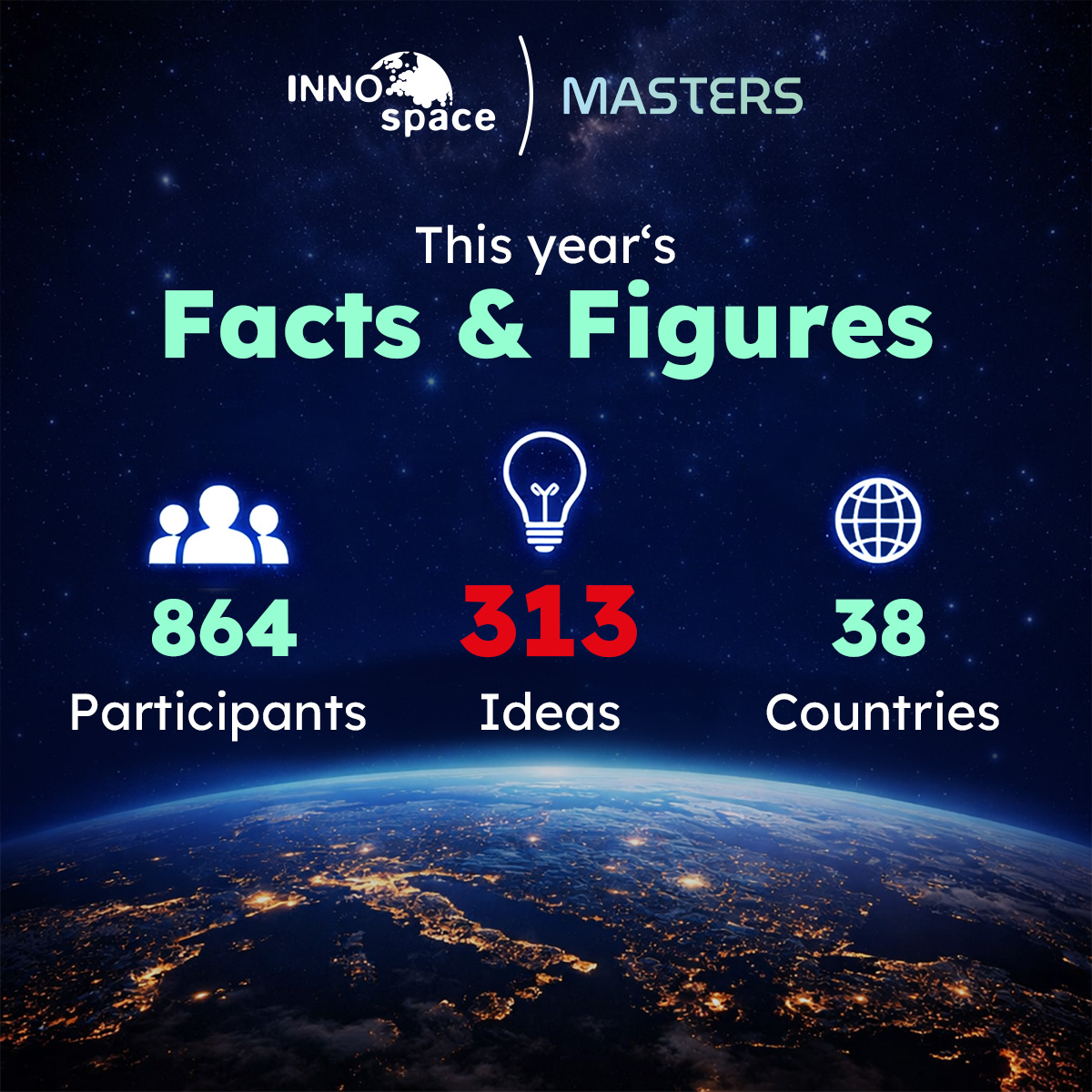
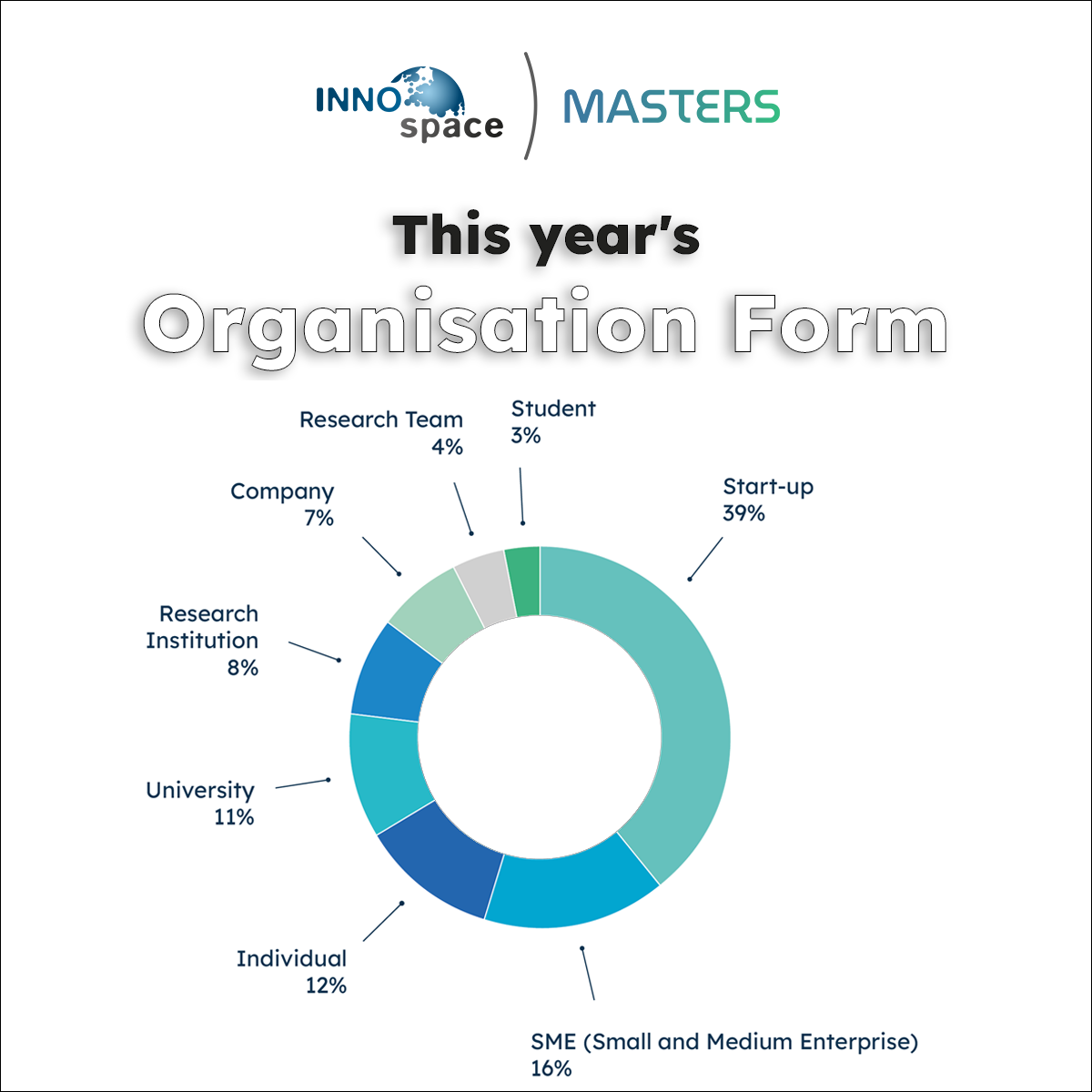
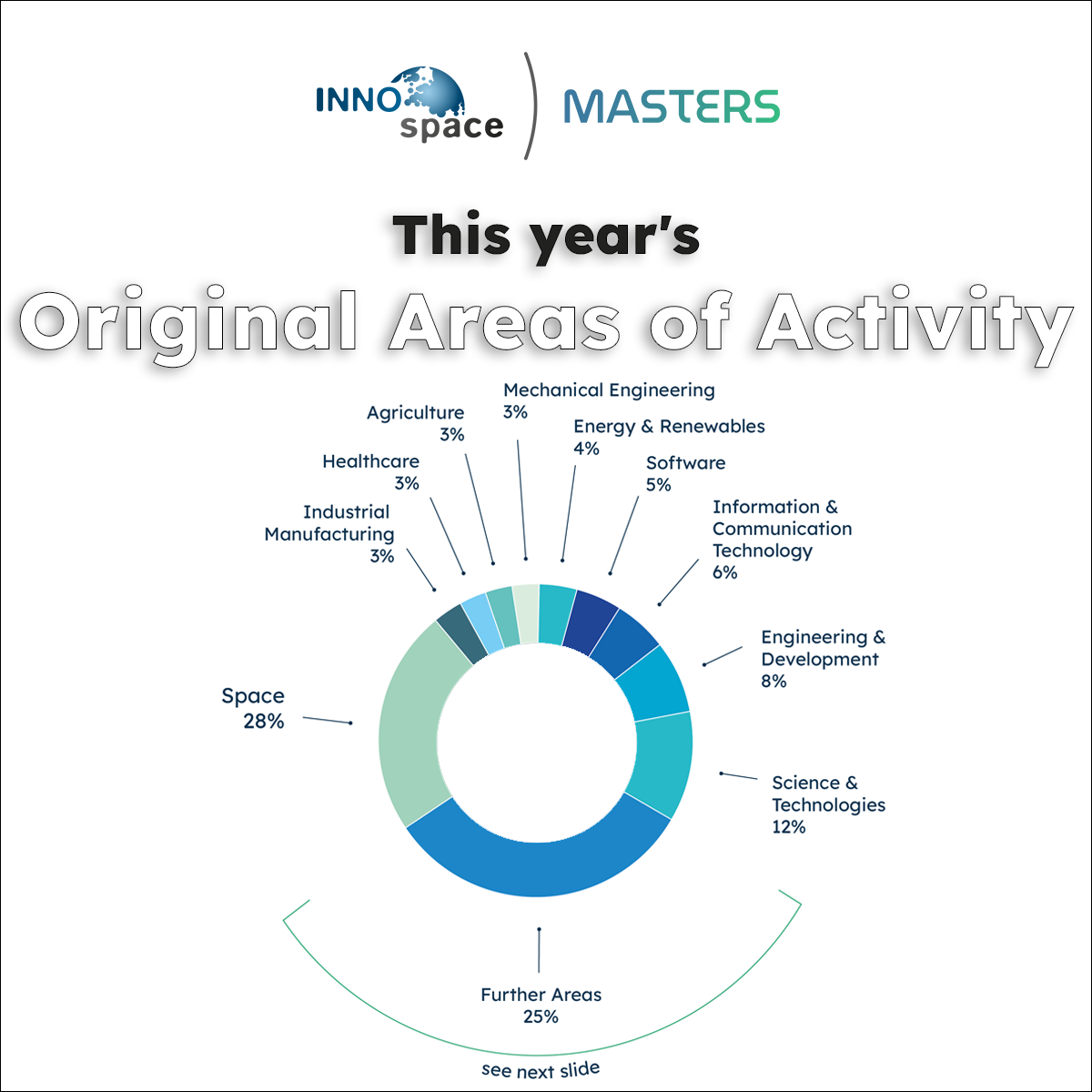
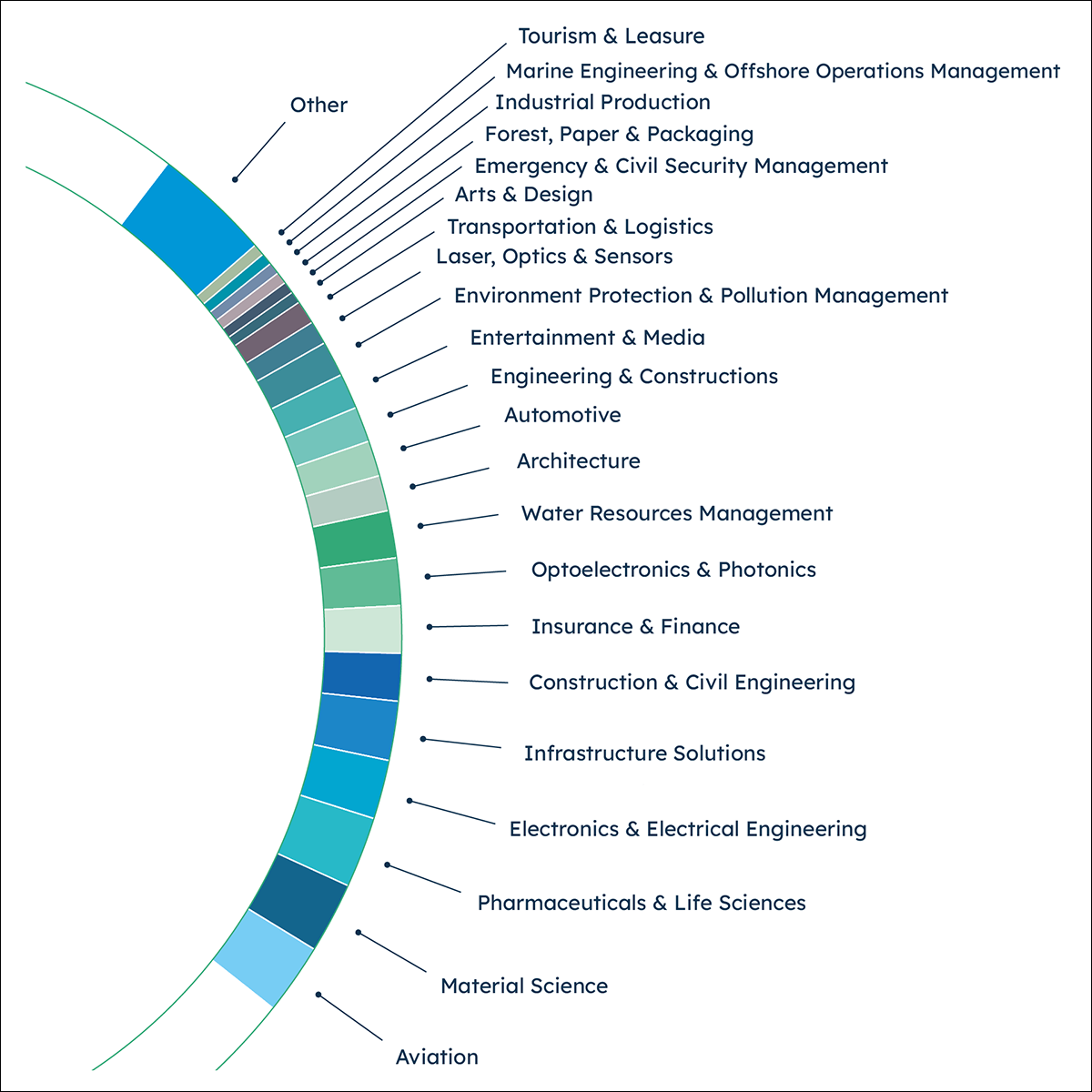
This year’s competition was the most successful yet. We received 313 submissions — nearly 100 more than last year, and more than 300 for the first time. With 864 participants, more people took part than ever before. One reason for this: An increasing number of participants are joining forces to form strong consortia and develop ideas in innovative, collaborative teams – exactly in line with the spirit of our competition.
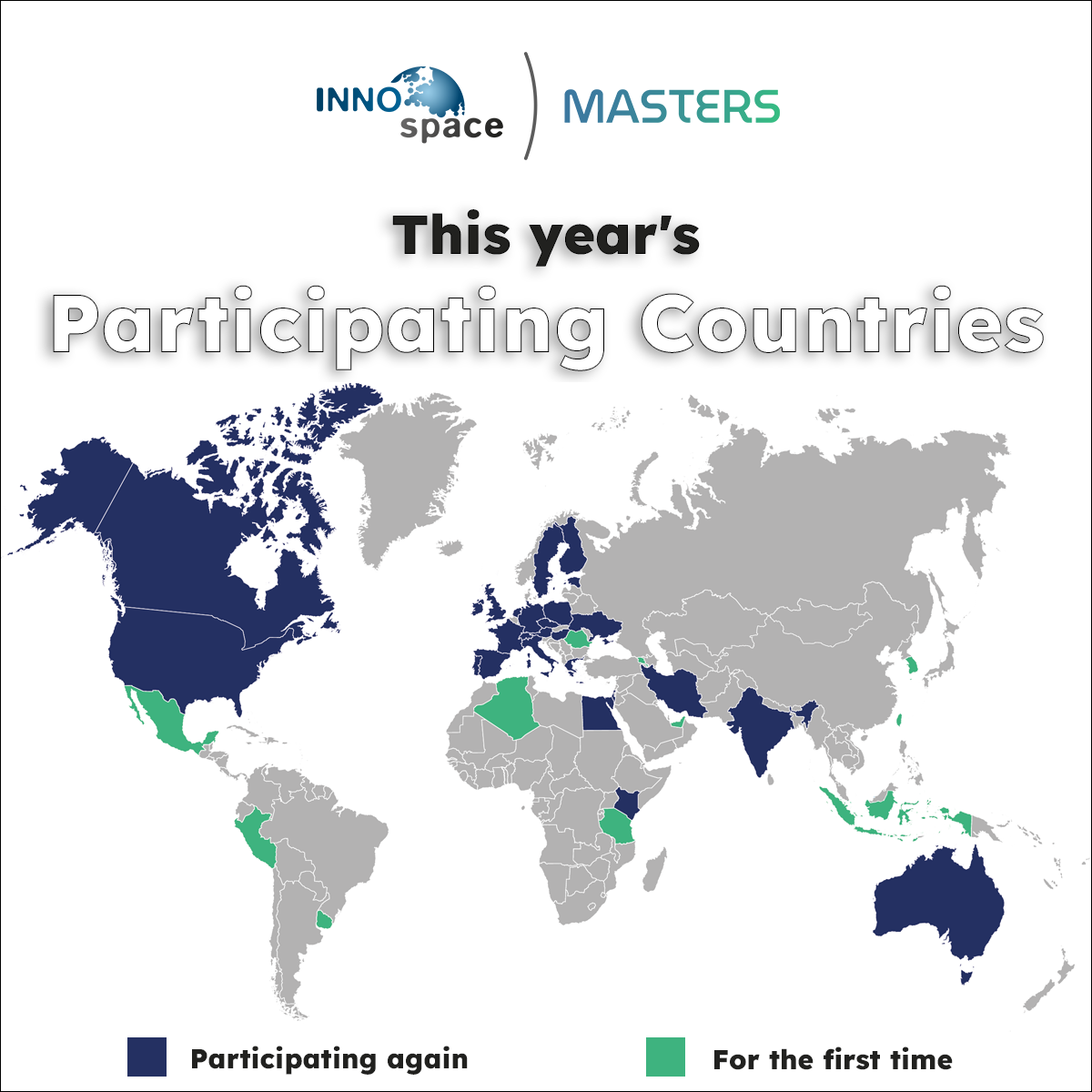
Participants came from 38 countries around the globe. First-time participants included Algeria, Georgia, Indonesia, Mexico, Peru, Romania, Singapore, South Korea, Taiwan, Tanzania, the United Arab Emirates and Uruguay.
Next steps
This is what will happen next:
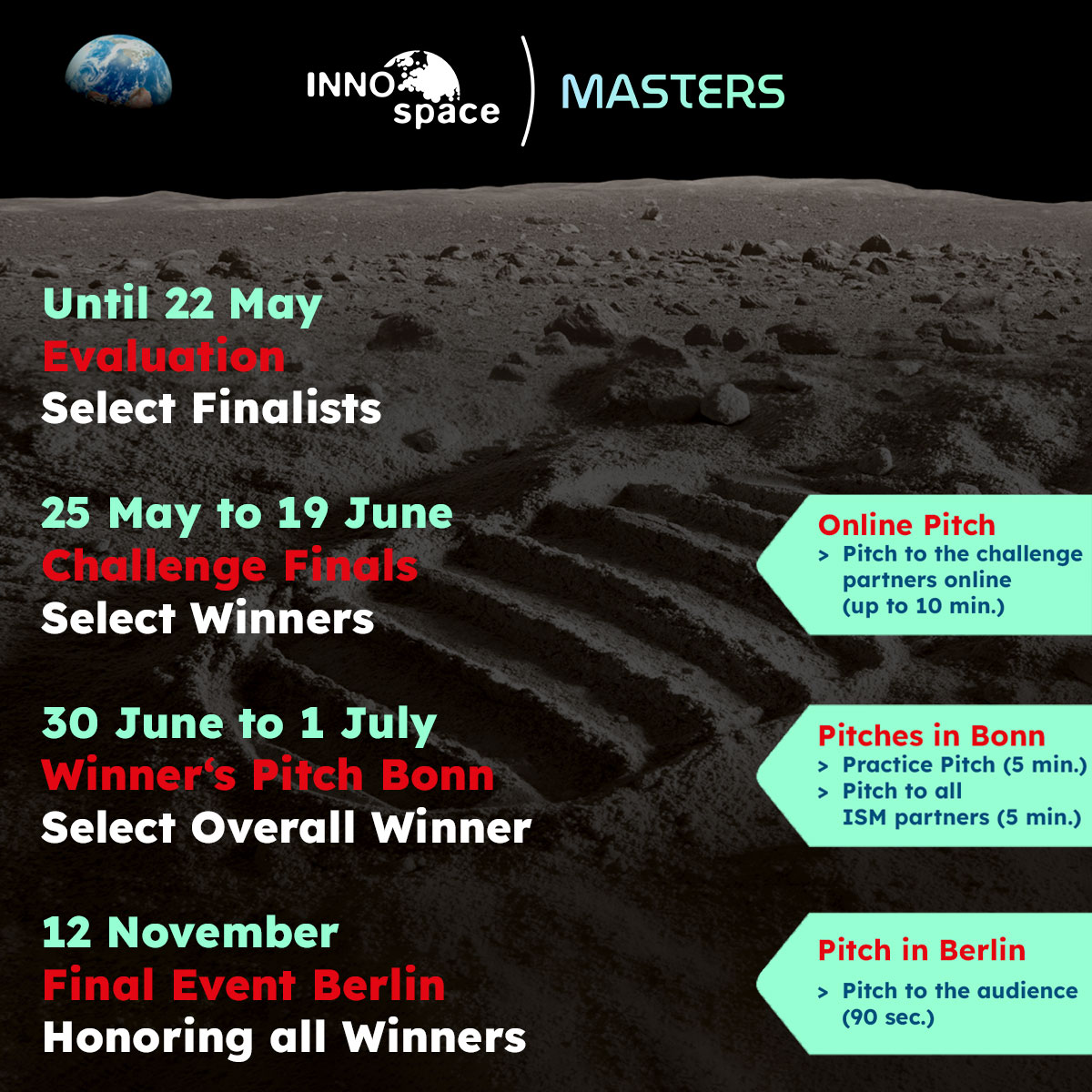
Evaluation: Our judges will select the finalists for each challenge by 22 May
Challenge Finals: The winners will be chosen from the finalists via online pitches between 25 May and 19 June. The exact dates for each challenge are as follows:
ESA BIC Challenge: 1 June
ESA BA Challenge: 2 June
German Space Agency at DLR Challenge: 3 June
Mercedes-Benz car2space Challenge: 12 June
OHB Challenge: 16 June
Airbus Challenge: 18 June
Winner’s Pitch Bonn: The final decision will be made live in Bonn on 30 June and 1 July. Who will beat the competition and be crowned the Overall Winner?
Please note that the finalists and winners must pitch their ideas several times within different time limits, as shown on the second slide.
The ESA BIC Challenge has a slightly different evaluation phase, with a shortened initial evaluation and an additional coaching phase:
Online evaluation to select the finalists: 1 to 15 April
Individual business coaching: 16 April to 31 May
Online pitches to select the winners: 1 June
All winners will be announced and honored at our Final Event in Berlin on 12 November. Save the date!