Golden Fleece – In-Space Nanometal 2D Printing Demonstration
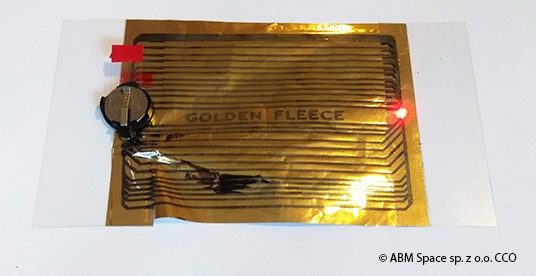
Golden Fleece is an intelligent solar sail concept used for spacecraft propulsion. ABM Space and AMEPOX Microelectronics developed a production process with a 2D-printing technology, allowing the solar sail to be covered with in-situ nanometal ink to place electronic circuits on the sail substrate. Nanometal has outstanding and diversified mechanical, thermal and electrical properties which can be used for various applications in the field of space materials. The development of this 2D-printing method will facilitate in-orbit production and utilisation of metals gained in the future, particularly in-situ from the Moon and asteroids. The technology enables flexible production in space, spare parts production from lightweight material and mass production from future in-situ resources.
Benefits
Flexibility of electronics production in space
Flexibility of production of lightweight structures in space
Nanosilver as a biocide allows sterile structures and reductions in cleanroom costs
FISHinSPACE – Zebrafish Larvae to Study Vertebrate Physiology in Space
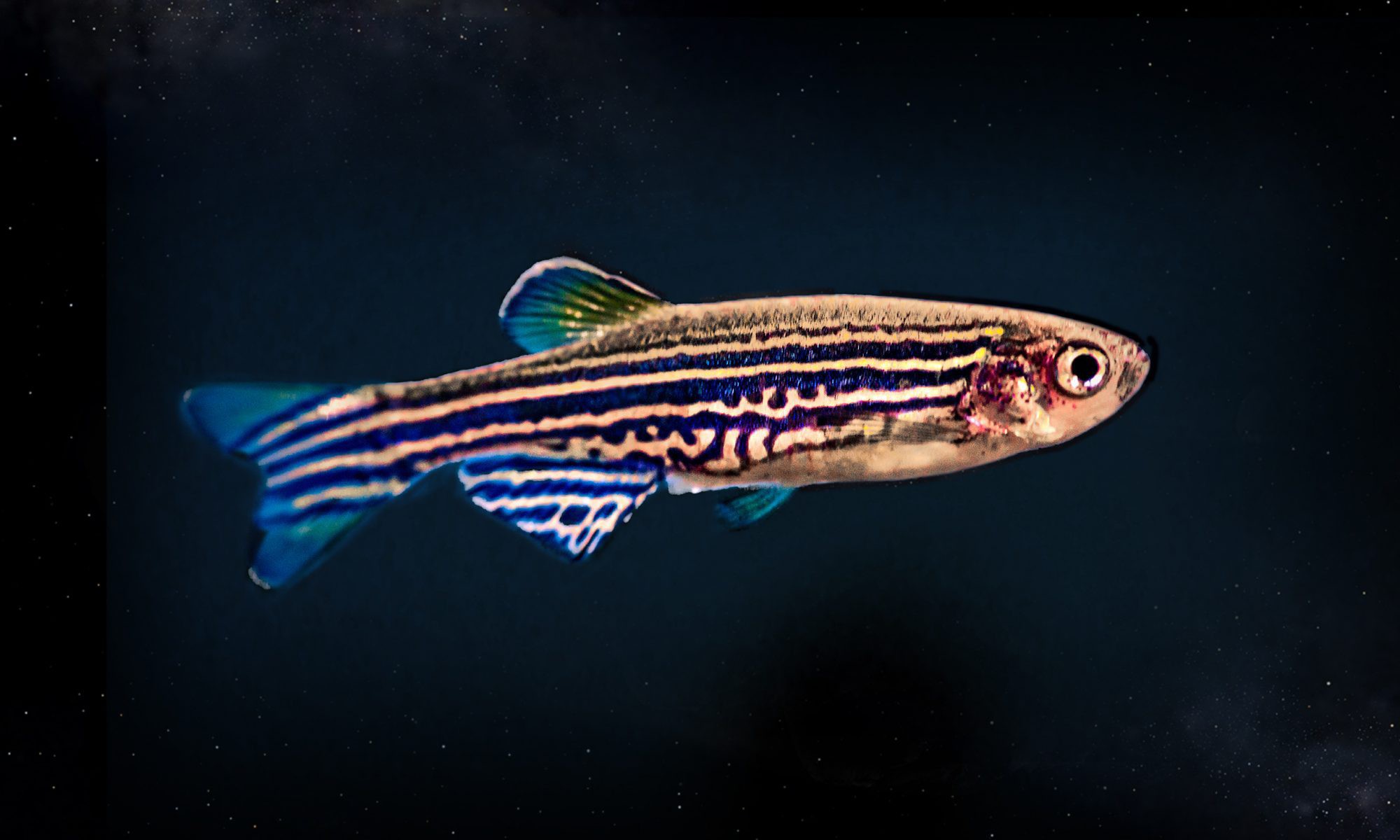
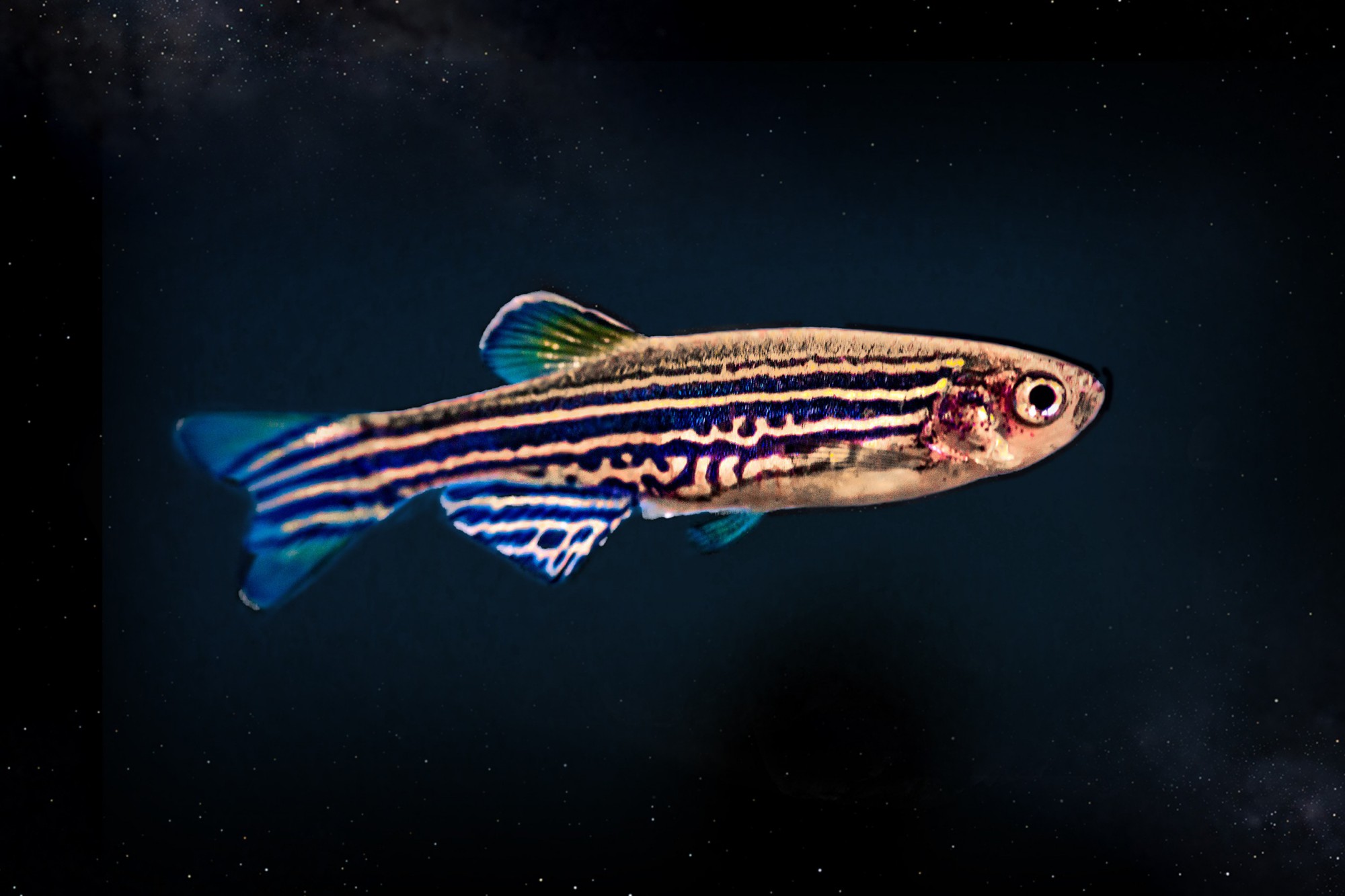
The Zebrafish larvae are the ideal model to study vertebrate physiology in space and to transfer the results to humans. In the “FISHinSPACE” project, the GIGA – Université de Liège will send a platform for microscopic observation of such zebrafish larvae into space. The device for automatic observation of individual larvae is a cheap and highly efficient system model for studying an entire living organism in space conditions. The biggest benefits of this model are the optimisation of human life in an extreme environment, and the exploitation of the space environment to research common health issues.
Benefits:
Zebrafish larvae are highly suitable to study vertebrate physiology under space conditions
Exploiting the space environment as a proxy for researching common health issues, such as aging, osteoporosis, or blood circulatory problems
Space flight market will benefit as life in extreme environments becomes easier
Pharmaceutical industry will benefit from an adaptable platform to develop and test new medicines
Modern satellites, especially micro and nano satellites, have little in-orbit processing capabilities and data storage capacities. The satellites are dependent on sending their data regularly to a ground station. Golbriak Space OÜ is developing a cloud computing infrastructure on the International Space Station (ISS) using the Bartolomeo platform, to serve other spacecraft that would not be able to afford on-orbit processing otherwise. The “Bartolomeo cloud” could be realised through a compact high-performance computing data centre installed on the ISS, interfaced to customer spacecraft through an optical and a radio frequency (RF) antenna terminal installed on the ISS. Potential ISS cloud services could reduce the time between data acquisition and availability, in order to introduce new capabilities such as automated feature detector for Earth observing spacecraft, enhanced spacecraft autonomy (cognitive satellites) and real-time machine learning on space data.
Benefits:
Reduction in time between data acquisition and availability
In-orbit spacecraft have the ability to use machine learning services
Opportunity to extend missions
Complementary services e.g. data storage and high-bandwidth data downlink
SPUTNIC-Piezo: Spacewheel Unbalance TerminatioN with Intelligent Control of Piezoactuators
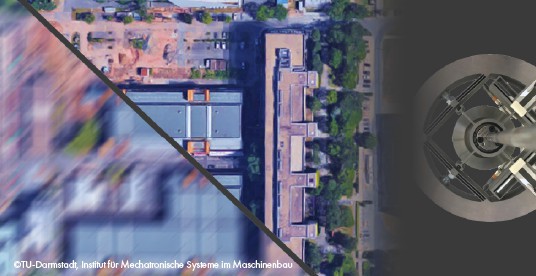
Manufacturing tolerances and the related imbalances in reaction wheels lead to vibrations in satellite structures. These vibrations are detrimental to the performance of sensitive payloads such as telescopes and cameras, which can produce poor image quality as a result (see illustration). SPUTNIC technology combines piezoelectric actuators with conventional ball-bearings to support rotating wheels. Since the unbalanced wheel is allowed to spin on its main axis of inertia, SPUTN IC’s sophisticated control algorithm nearly eliminates all imbalance vibrations. This innovation not only reduces the stress on components to increase their useful life; it also enables sensitive payloads to reach their full potential.
Benefits:
Eliminates vibrations in reaction wheels
Enables sensitive payloads to achieve optimal performance
Simple, lightweight structure with low energy consumption
Failsafe design enables reaction wheels to remain functional even when system is inactive
TU Darmstadt – Institute lor Mechatronlc Systems in Mechanical Engineering (IMS) Darmstadt, Germany Stefan Heindel www.ims.tu-darmstadt.de info@ims.tu-darmstadt.de
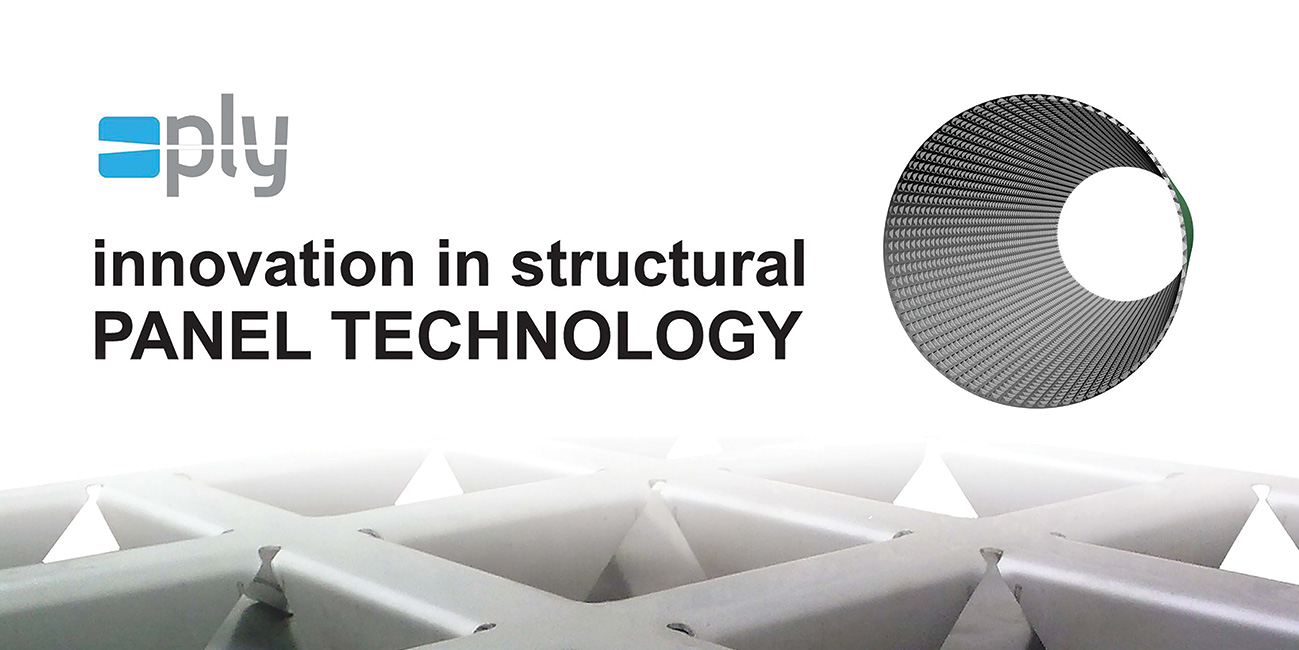
Open Sandwich Structures (OSS) are a new type of free form and full design oriented structural panel technology for the construction of low Earth orbiting (LEO) satellites (mega constellations). Unlike the three constituent (sheet/core/sheet) type of sandwich panels, OSS encompasses a panel structure made of only two material sheets without any addition of core material. Compared to current closed cell panel technology, that leads to reduced material costs, a much simpler production process and a higher productivity for space structures
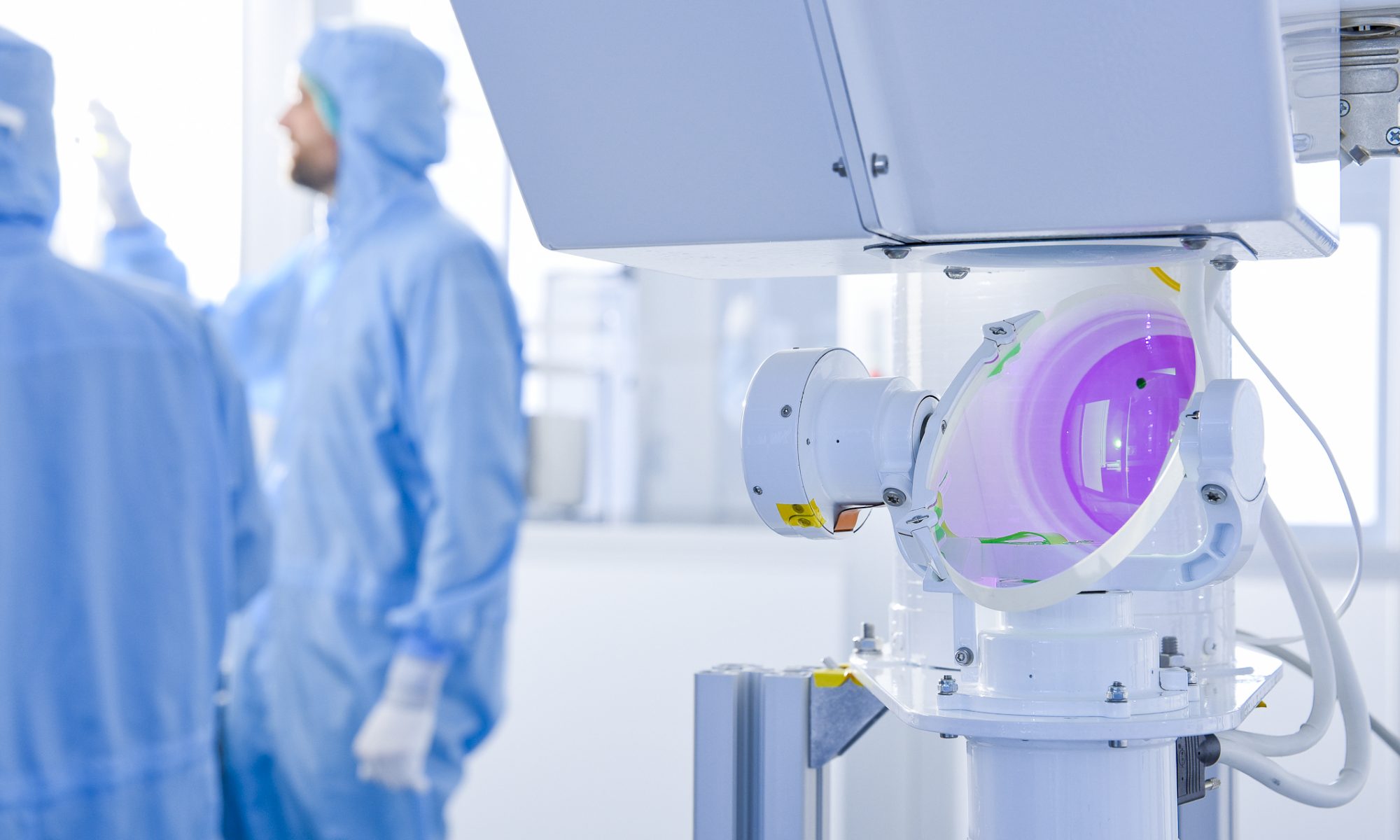
Vialight develops Laser Communication Terminals for future low Earth orbiting (LEO) constellations and Earth observation missions requiring the transmission of large data volumes at rates of up to 10 Gbps over thousands of kilometers.
Leader in laser communication systems for stratospheric platforms and ground stations – chosen supplier for large international commercial customers
Vialight’s product evolution: aviation > stratosphere > space (inter-satellite, satellite-to-ground)
Serial production keeps costs low while ensuring the highest quality product
Solutions for: telecommunications, navigation and Earth observation data, ISR applications, Internet of Things, Big Data
Fully operational space system on the ISS in 2 years
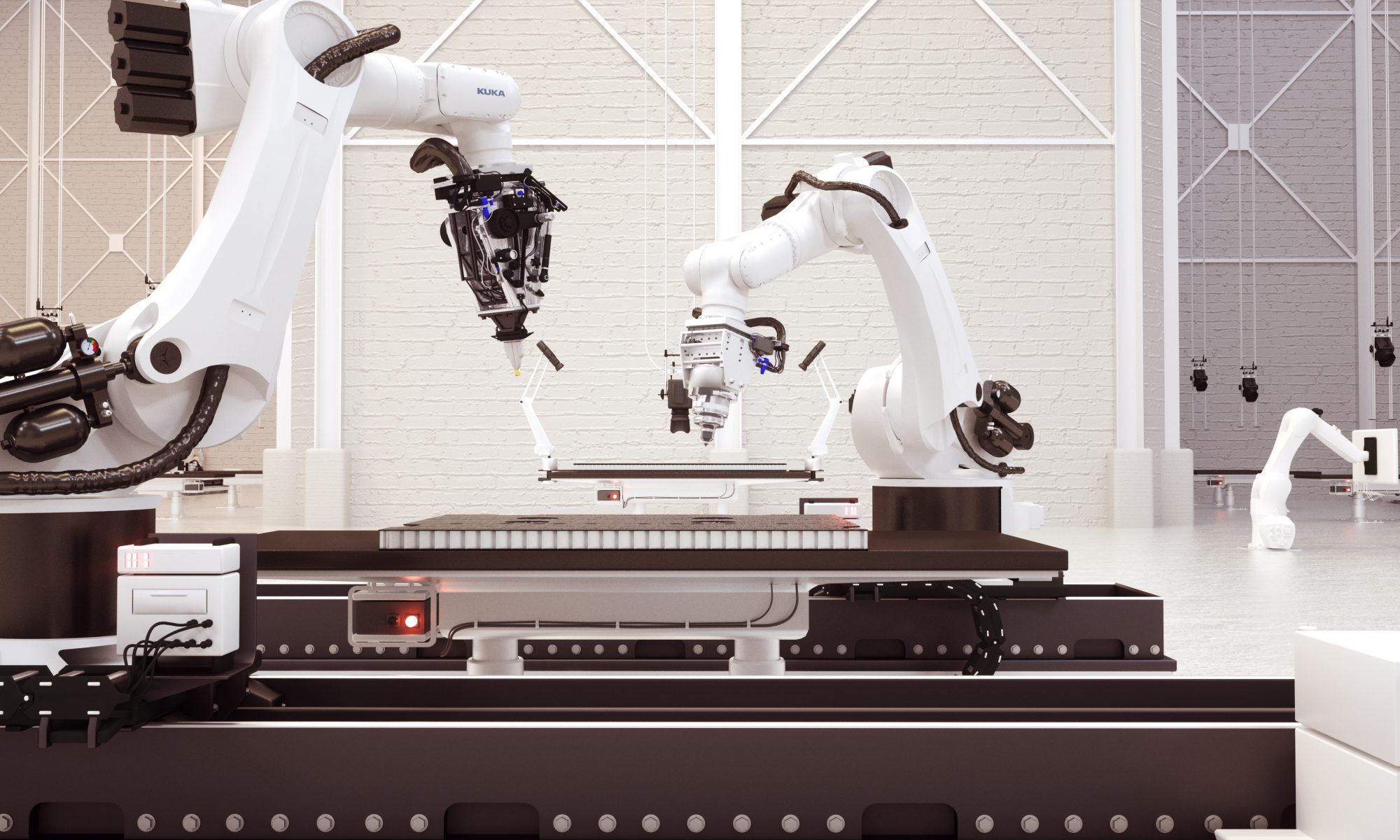
New Space requires drastic cost reduction in spacecraft manufacturing and unprecedented production volume. Airborne will redefine the process for satellite panel manufacture to cut down to a fraction of today’s cost. Applying disruptive process technologies on highly automated production lines will assure stable quality at high throughput.
Airborne’s smart approach to automation has the following advantages: