SPUTNIC-Piezo: Spacewheel Unbalance TerminatioN with Intelligent Control of Piezoactuators
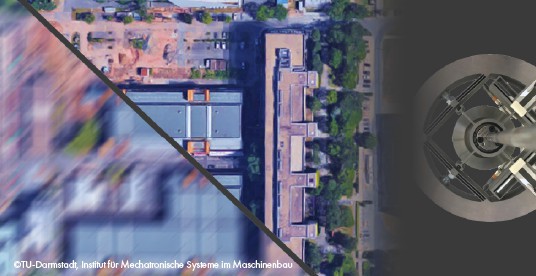
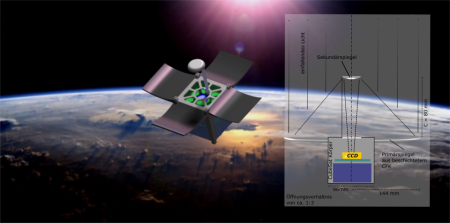
Manufacturing tolerances and the related imbalances in reaction wheels lead to vibrations in satellite structures. These vibrations are detrimental to the performance of sensitive payloads such as telescopes and cameras, which can produce poor image quality as a result (see illustration). SPUTNIC technology combines piezoelectric actuators with conventional ball-bearings to support rotating wheels. Since the unbalanced wheel is allowed to spin on its main axis of inertia, SPUTN IC’s sophisticated control algorithm nearly eliminates all imbalance vibrations. This innovation not only reduces the stress on components to increase their useful life; it also enables sensitive payloads to reach their full potential.
Benefits:
Eliminates vibrations in reaction wheels
Enables sensitive payloads to achieve optimal performance
Simple, lightweight structure with low energy consumption
Failsafe design enables reaction wheels to remain functional even when system is inactive
TU Darmstadt – Institute lor Mechatronlc Systems in Mechanical Engineering (IMS) Darmstadt, Germany Stefan Heindel www.ims.tu-darmstadt.de info@ims.tu-darmstadt.de
Silent Running – Intrinsic Structural Vibration Reduction for Carrier Rockets Using Metamaterials
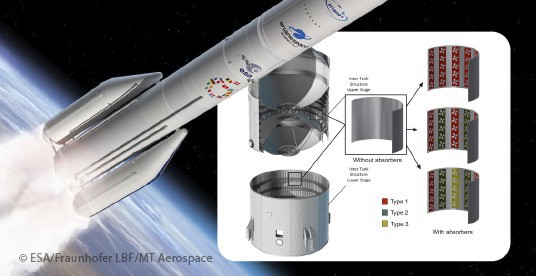
When launching and flying a rocket, vibrations must be reduced to such an extent that they do not cause damage to the payload and structure. In the “Silent Running” project, MT Aerospace and Fraunhofer LBF are using carbon-fibre-reinforced plastics (CFRP) with metamaterials, in order to reduce the vibrations that affect on the payload and structure during acceleration. Metamaterials combine the benefits of active and passive vibration reduction and are used, in the automotive industry, amongst others. “Silent Running” specifically targets to minimise vibrations in the upper stages of future Ariane carrier rockets. The innovative vibration dampers should be integrated into the load-bearing structure of the carrier rockets, so that the heavy damping elements conventionally used are no longer required.
Benefits:
Efficient rocket stages and complex payloads with longer service lives by minimising vibrations in the stage structures
Efficient rocket stages and complex payloads with longer service lives by minimising vibrations in the stage structures
Transporting of satellites with effective payloads and thus improved payload/cost ratio per launch
Spin-off into the automotive, aerospace and shipping industries
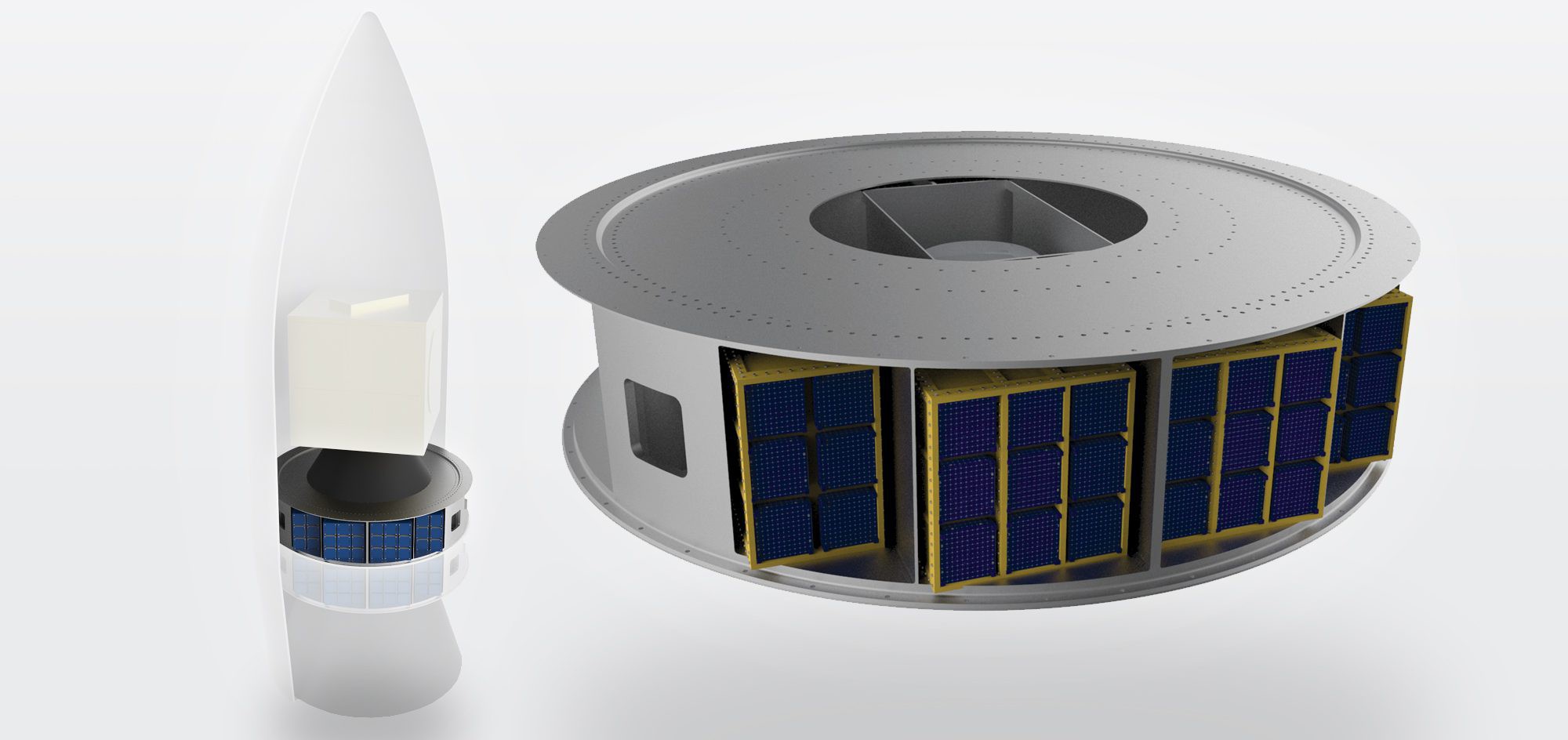
In the next decade, Europe will need a replacement for the International Space Station (ISS) – a new environment in which payloads can be tested in microgravity and the extreme conditions of space. Levity Space System has set its sights on providing public and private institutions with frequent, affordable access to space. MESA – Europe’s first modular and stackable satellite structure – is designed to facilitate microsatellite launches, in-orbit demonstrations, and the hosting of experiments. lt will be launched as a secondary payload between the upper stage and primary payload of the Arianespace launch vehicles VEGA-C+ and -E.
Benefits:
Flexible, modular structures for space transports
Sustainable R&D in space in the post-ISS era
Turnkey launch solutions and microsatellite deployment in constellations
MESA subsystems capable of transporting technologies and experiments directly from labs into space
Levity Space Systems Aachen, Germany Andres Lüdeke www.levity.space andres.luedeke@levity.space
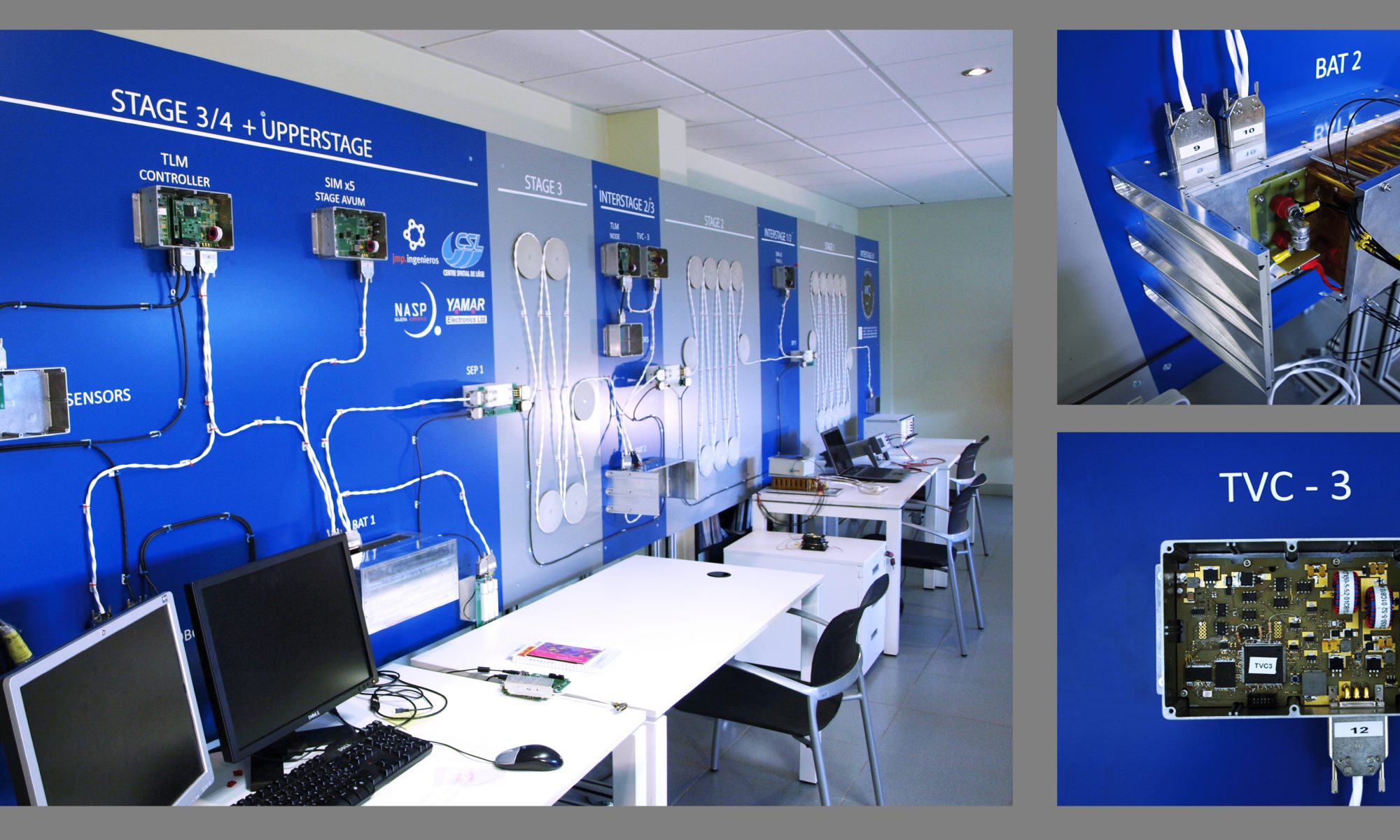
MPBUS is a decentralised power distribution architecture for spacecrafts, capable to transmit data over the same two power wires, allowing both weight reduction and cost reduction, due to harness design, assembly and integration tasks simplification.
Two front ends, for power sources and for consuming energy devices
No Power Distribution Unit (PDU), each device has its own power/load management
Smart Battery Management: on-board computer can decide which of the distributed batteries is active
MPBUS branches can be jettisoned (launchers stages)
OCULUS – Optical Coatings for Ultra Lightweight Robust Spacecraft Structures
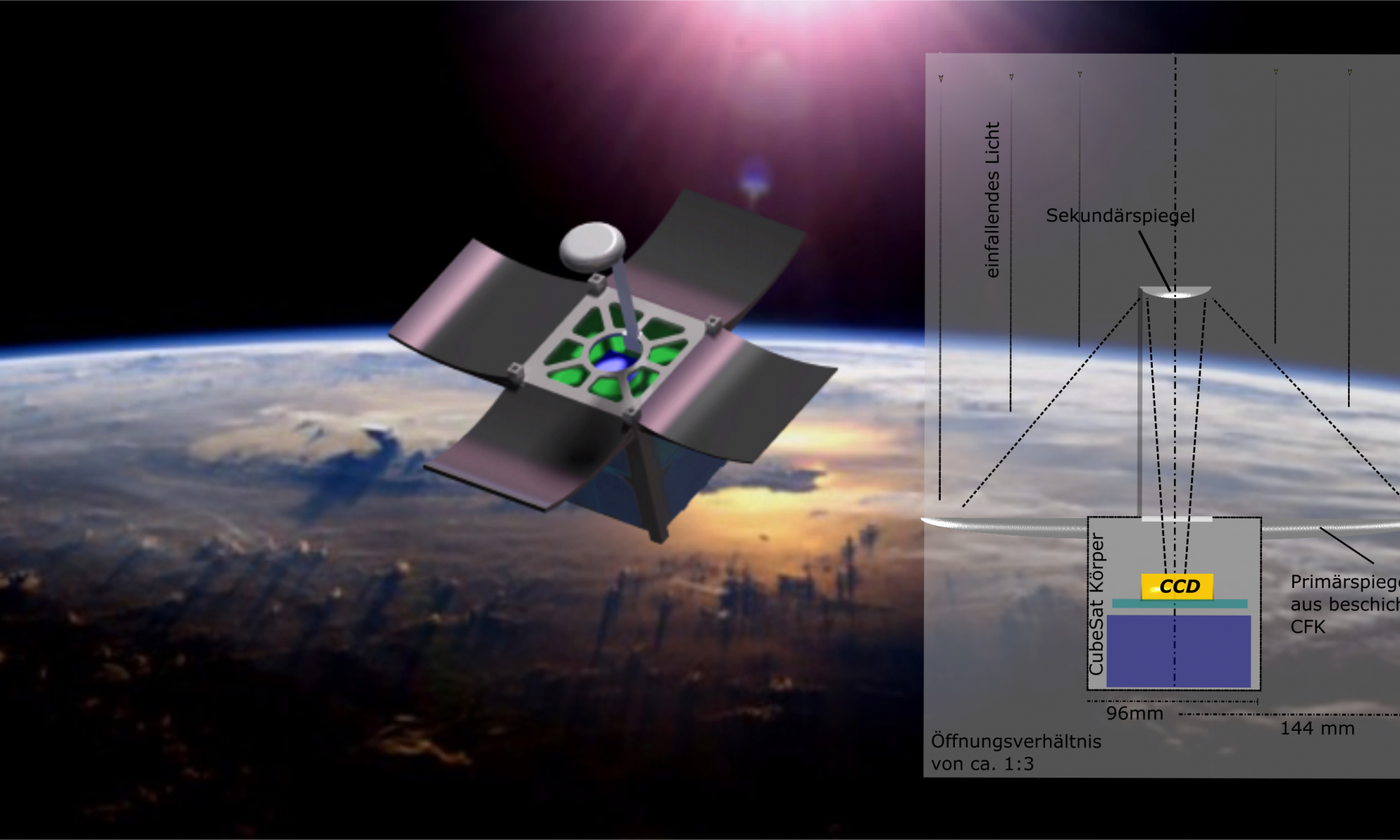
Low weight as well as high durability and accuracy for mirrors of space telescopes? New material solutions have great potential to make it happen! The objective is to combine innovative production processes of carbon-fibre-reinforced plastic (CFRP) structures and reflective coatings. By this means, lightweight optical mirrors can be developed for aerospace applications (e.g. remote sensing and astronomy) that exhibit versatile advantages over conventional mirrors:
Thermal stability (no cooling necessary)
80% to 90% weight reduction
Modularisation in production (large quantities using one tool)
Smart coatings enable multifunctional surfaces
Process transferable to mechanical engineering industry
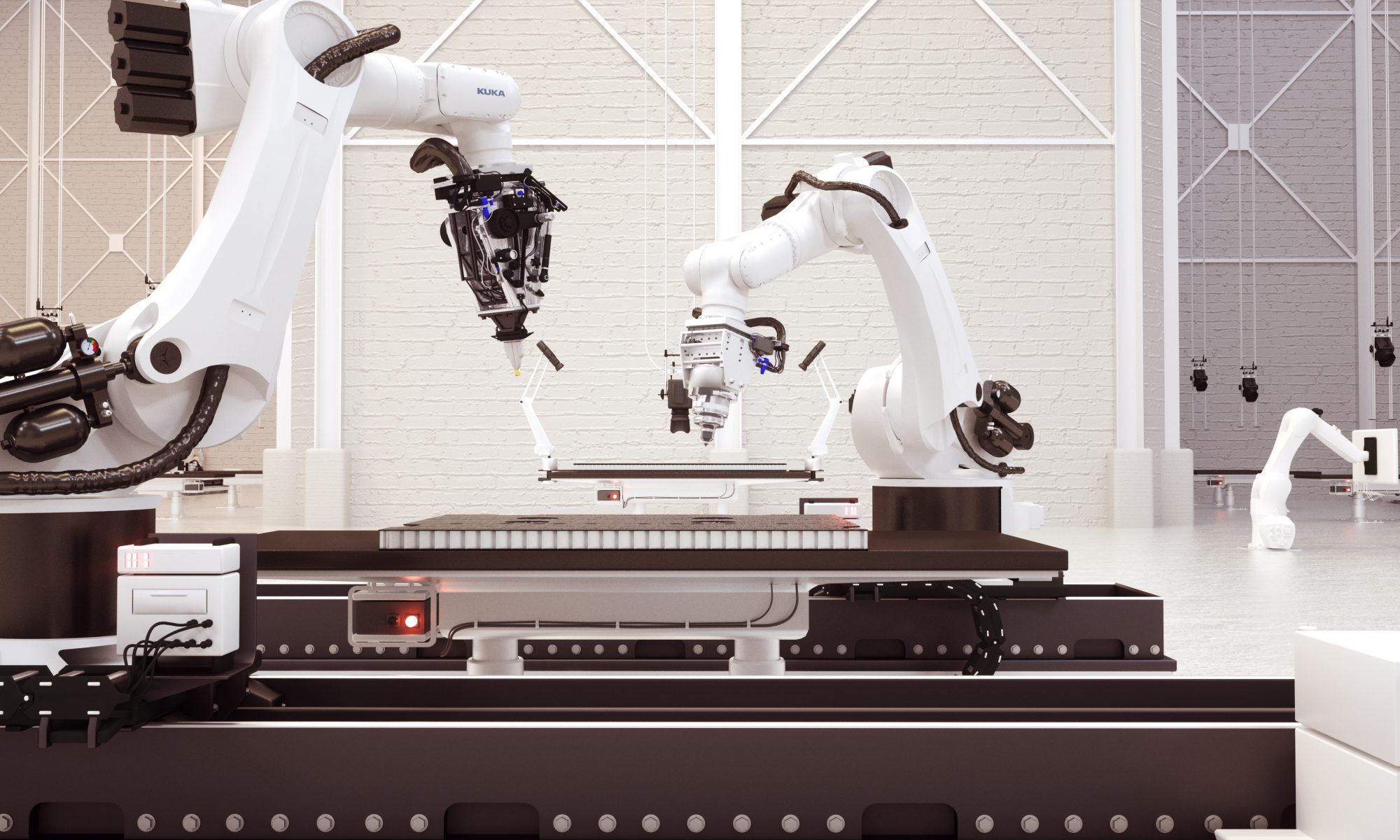
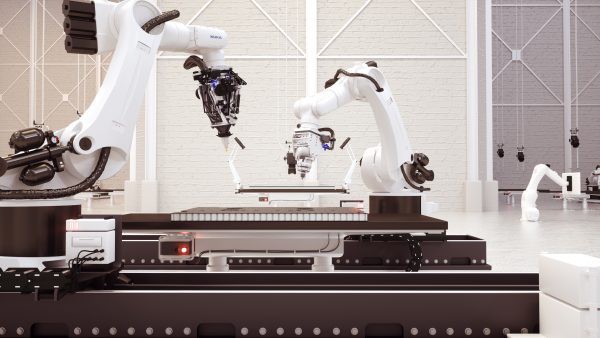
New Space requires drastic cost reduction in spacecraft manufacturing and unprecedented production volume. Airborne will redefine the process for satellite panel manufacture to cut down to a fraction of today’s cost. Applying disruptive process technologies on highly automated production lines will assure stable quality at high throughput.
Airborne’s smart approach to automation has the following advantages:
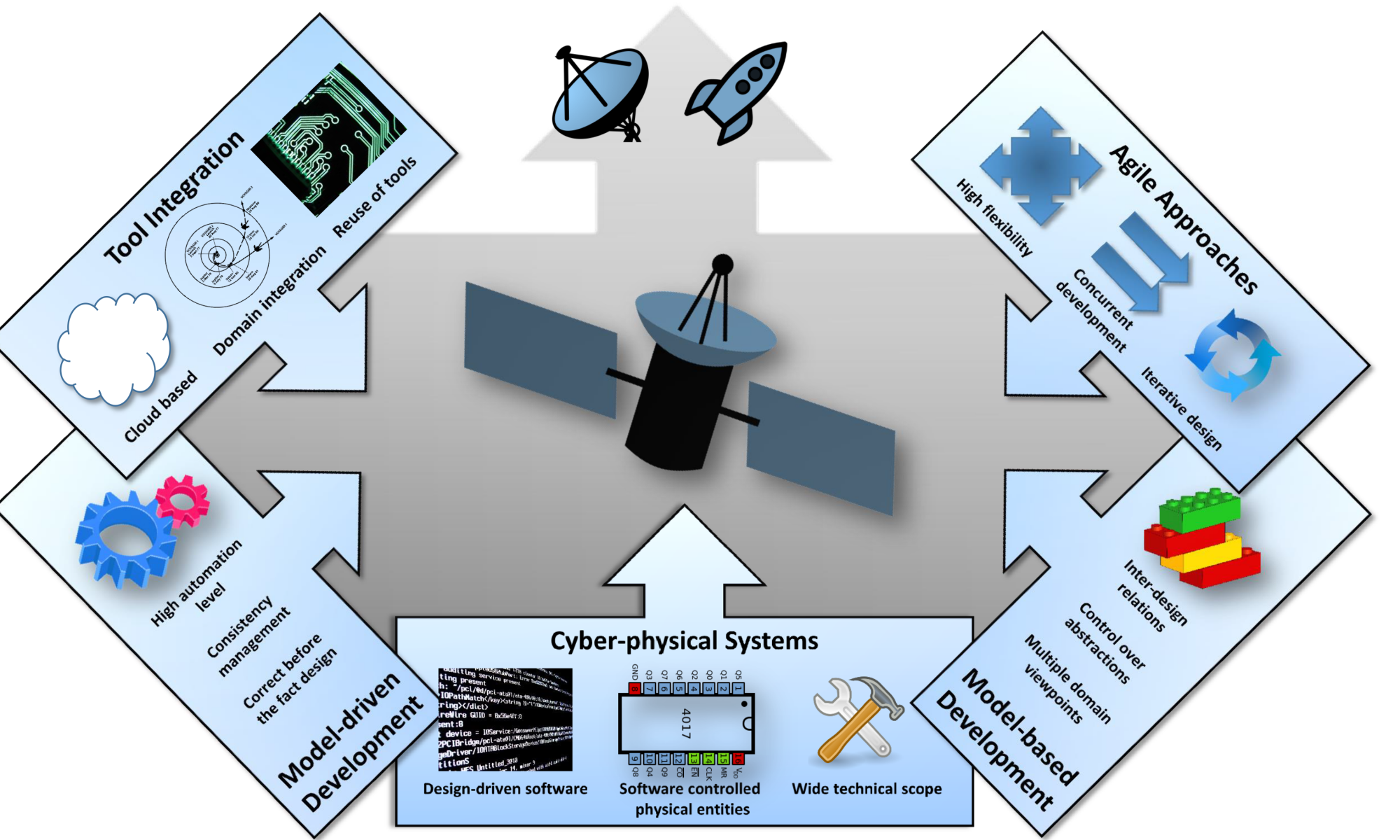
Innovative development framework for small satellite industry, utilising advanced complexity handling techniques adapted for use in both cyber and physical domains. The advantages:
Providing higher reliability end products with lower costs
Cloud-based framework, integrating wide range of tools
Agile and model-based/-driven development approaches
Automated consistency checks, overall validation and verification support