Nucleus VR – Connecting People and Information Worldwide in Real-Time
Human survival in space is highly dependent on life support systems, computers and equipment. Maintaining these complex systems requires support of hundreds of earth-based experts. Nucleus VR is removing the distance barrier, by allowing astronauts and experts to work simultaneously, as if they were together in the same place. Experts simply connect to the digital twin of the spacecraft and appear in the real spacecraft as a holographic companion. Data can also be placed on the digital twin and displayed in the real spaceship with Augmented Reality (AR). Thereby, challenges can be solved faster, and in a natural, intuitive and less stressful way.
Benefits:
Connecting astronauts and experts all over the world in the digital twin
The digital twin is built from existing CAD data using a simple drag-and-drop process
Many kinds of data can be pinned to the digital twin (live telemetry streams, PDF, video, 360° video)
Increase astronauts’ well-being through meetings with family and friends in relaxing virtual worlds
Compatible with most existing AR/VR (Virtual Reality) hardware: HTC VIVE, OCCULUS, Android AR, castAR, PC, HOLOLENS
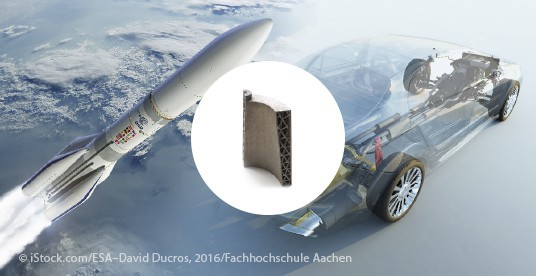
Technical components in space are often exposed to fluctuating temperatures, which can lead to degraded performances or reduced lifetimes. Infused Thermal Solutions (ITS) is an innovative concept to passively stabilize the temperature of thermo-elastic spacecraft components. This idea combines known concepts of phase change materials (PCM) with modern manufacturing techniques (3D printing). The phase change materials are embedded inside custom-printed, double-walled component structures, offering a standalone solution.
Benefits:
Temperature stabilisation
Reduced thermo-elastic deformations
Increased component lifetimes
Creation of complex lightweight “bionic” structures
Cost reduction
Technology transfer (spin-off), e.g. in the automotive industry
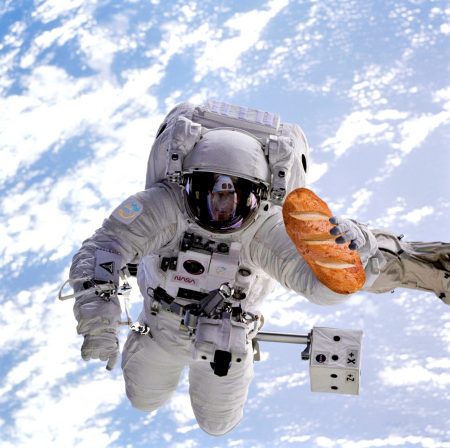
The objective of Bake in Space is to make fresh bread – in this case, common German rolls – aboard the International Space Station (ISS). To that end, the project is building a space-ready oven that will be capable of baking a dough mixture designed for this unique weightless environment. The idea is to use this endeavour as a stepping-stone to providing fresh food that will benefit the wellbeing and general quality of life of those living and working in space. Bake in Space is leveraging the business opportunities afforded by the commercialisation of the ISS and is contributing directly to NASA and ESA’s goals for the long-term exploration efforts of humankind.
Benefits:
Bulk dough packages for future astronaut missions (also suitable as unique gifts for people on Earth)
Branded products for space conferences and other events
Oven will be made available on a pay-per-use basis to other researchers interested in exploring its uses on the ISS
Project will generate spin-off IP and products that could be used for B2B and B2C activities on Earth
Bake in Space GmbH Bremen, Germany Sebastian D. Marcu www.bakein.space sebastian@bakein.space
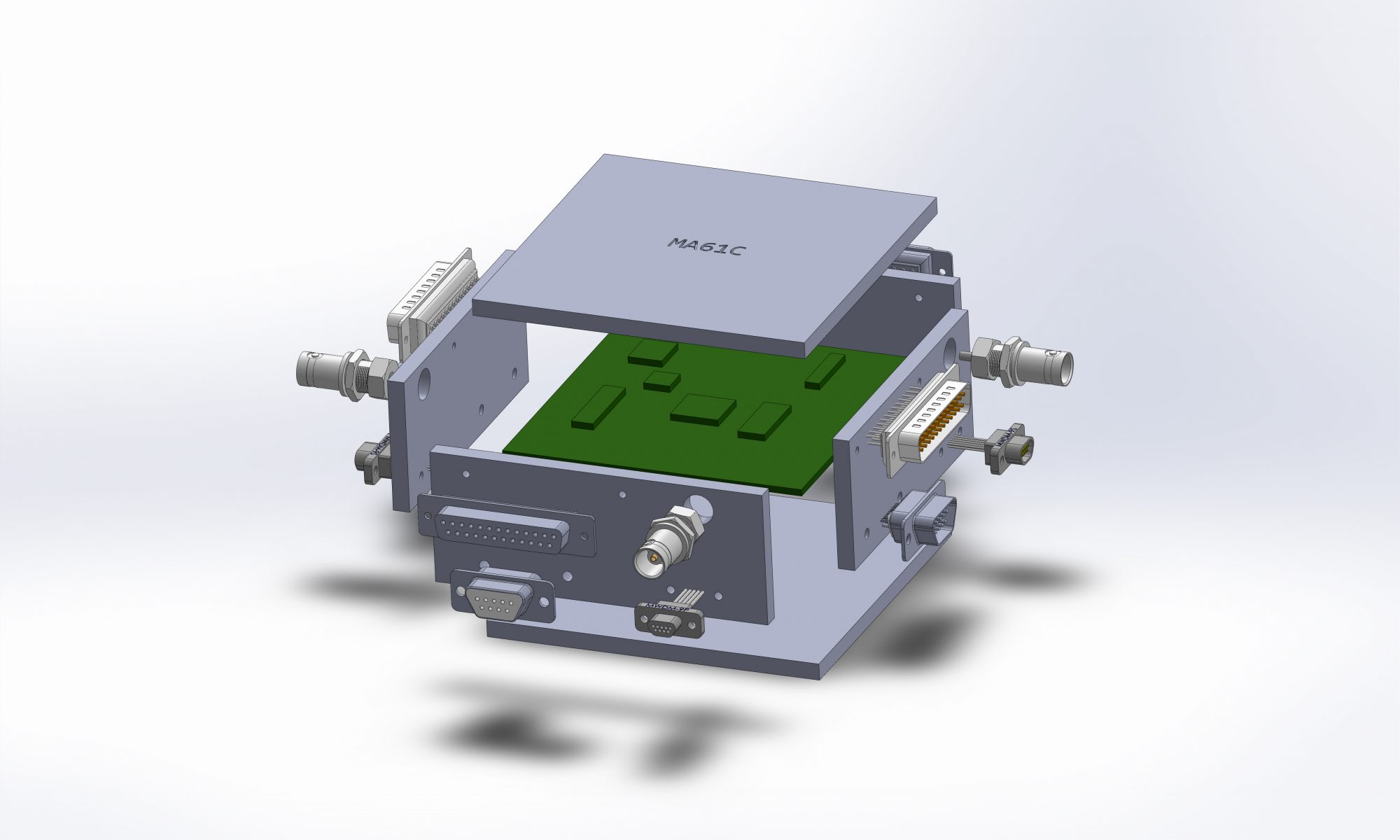
MA61C is a universal adapter that connects any subsystem to any spacecraft platform, reducing costs and time of satellite manufacturing. Once MA61C is connected with the satellite subsystem and the on-board computer, it powers up and integrates them. The advantages are:
Integration of subsystems without programming (plug & play)
Compatibility with most used subsystems
Design based on requirements and specifics from its customers
Open Sandwich Structures (OSS) are a new type of free form and full design oriented structural panel technology for the construction of low Earth orbiting (LEO) satellites (mega constellations). Unlike the three constituent (sheet/core/sheet) type of sandwich panels, OSS encompasses a panel structure made of only two material sheets without any addition of core material. Compared to current closed cell panel technology, that leads to reduced material costs, a much simpler production process and a higher productivity for space structures
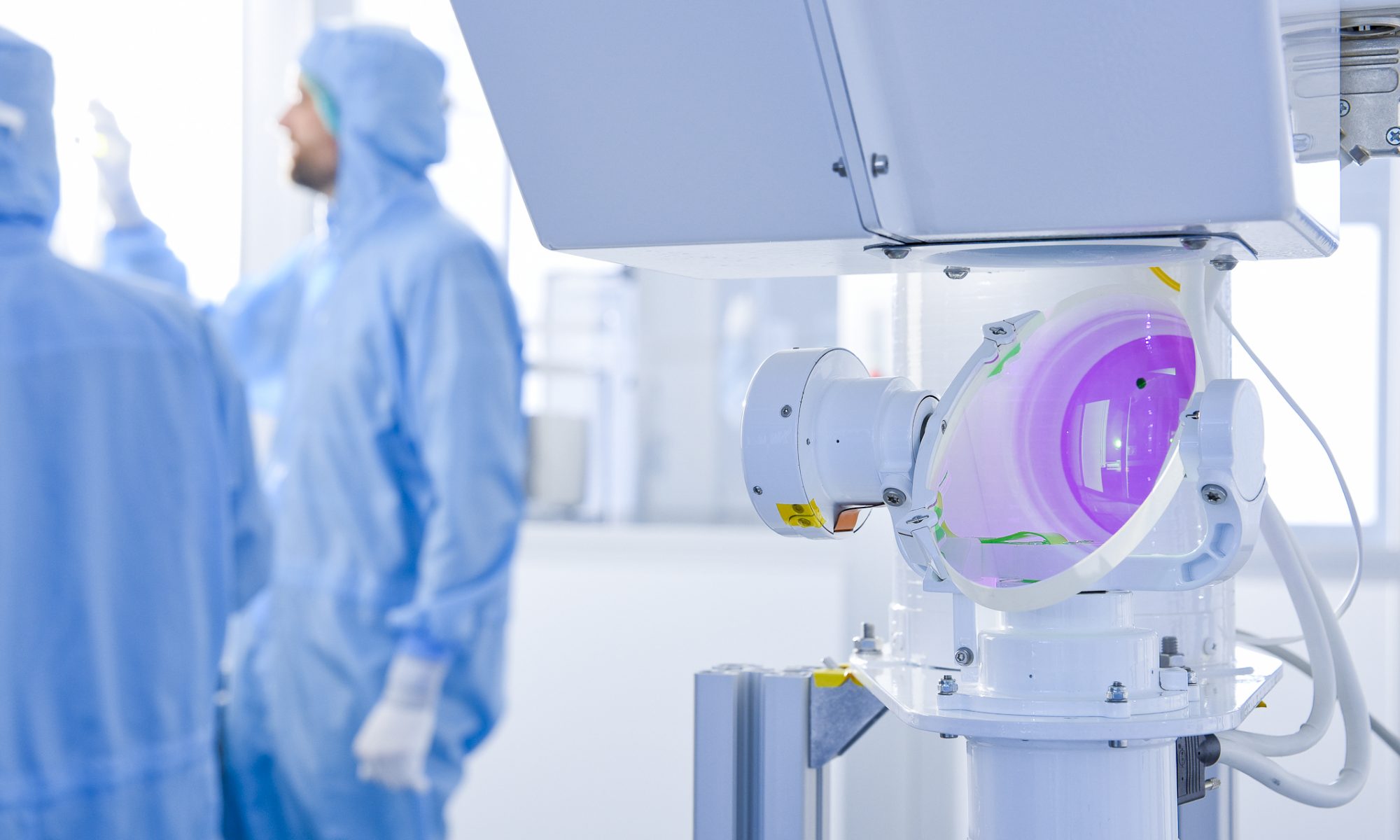
Vialight develops Laser Communication Terminals for future low Earth orbiting (LEO) constellations and Earth observation missions requiring the transmission of large data volumes at rates of up to 10 Gbps over thousands of kilometers.
Leader in laser communication systems for stratospheric platforms and ground stations – chosen supplier for large international commercial customers
Vialight’s product evolution: aviation > stratosphere > space (inter-satellite, satellite-to-ground)
Serial production keeps costs low while ensuring the highest quality product
Solutions for: telecommunications, navigation and Earth observation data, ISR applications, Internet of Things, Big Data
Fully operational space system on the ISS in 2 years
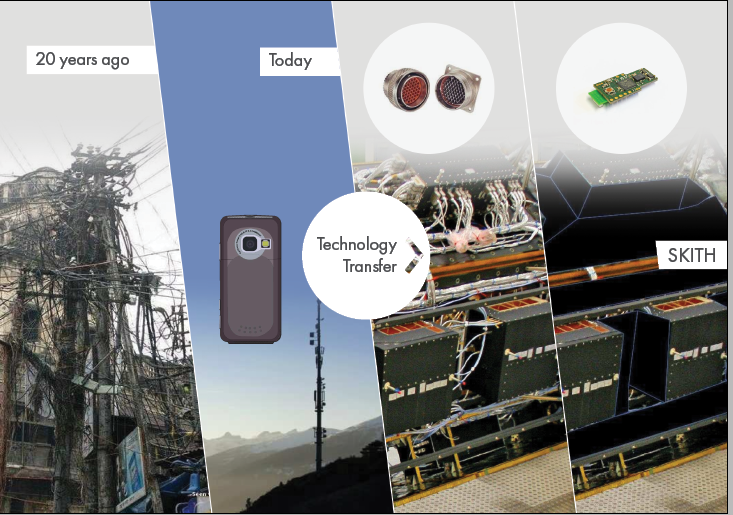
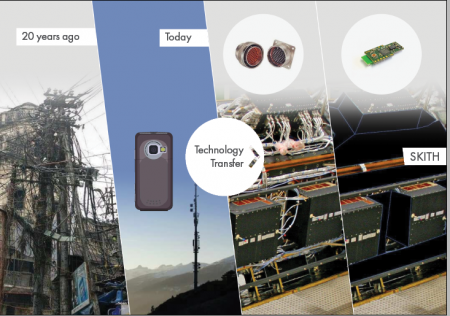
The harness for satellites has been necessary so far but also costly, heavy and a major risk factor. Skith aims to create the first wireless satellite, by using short range, high speed real time miniature radio communication links. By combining modular and fault-tolerant software with ultra-wideband technology from industry 4.0, a robust and adaptable system will be created.
Skith is aiming at:
Reducing the costs of integration and launches of satellites
Increasing the dependability of machines, especially of satellites and aircrafts
Increasing the Flexibility of control systems
Making the board computer independent from input/output (10) devices