SecureEye – Satellite-Powered Crop Monitoring Platform for Agricultural Insurers to Enable Proactive Damage Prevention Across Europe
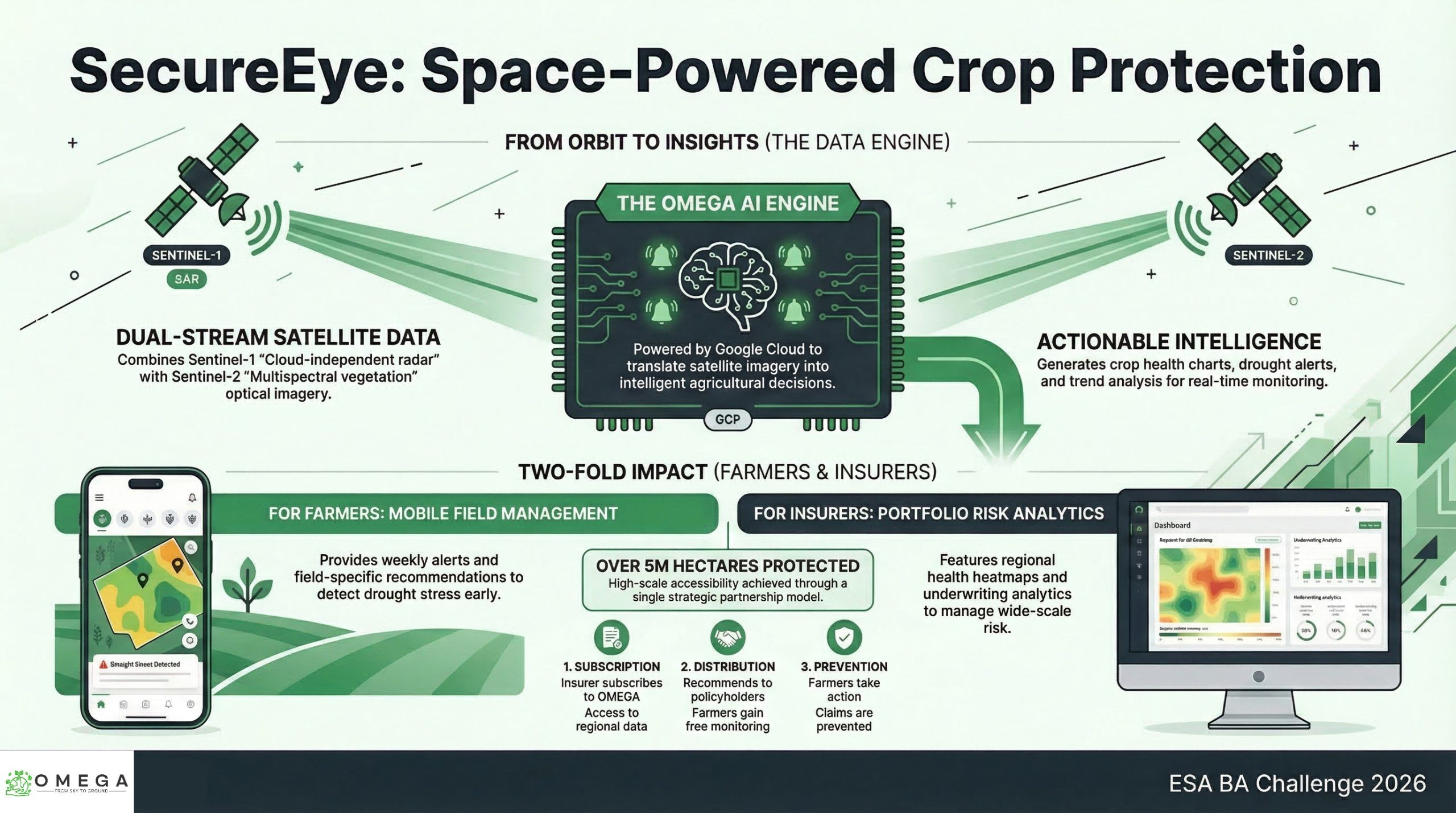
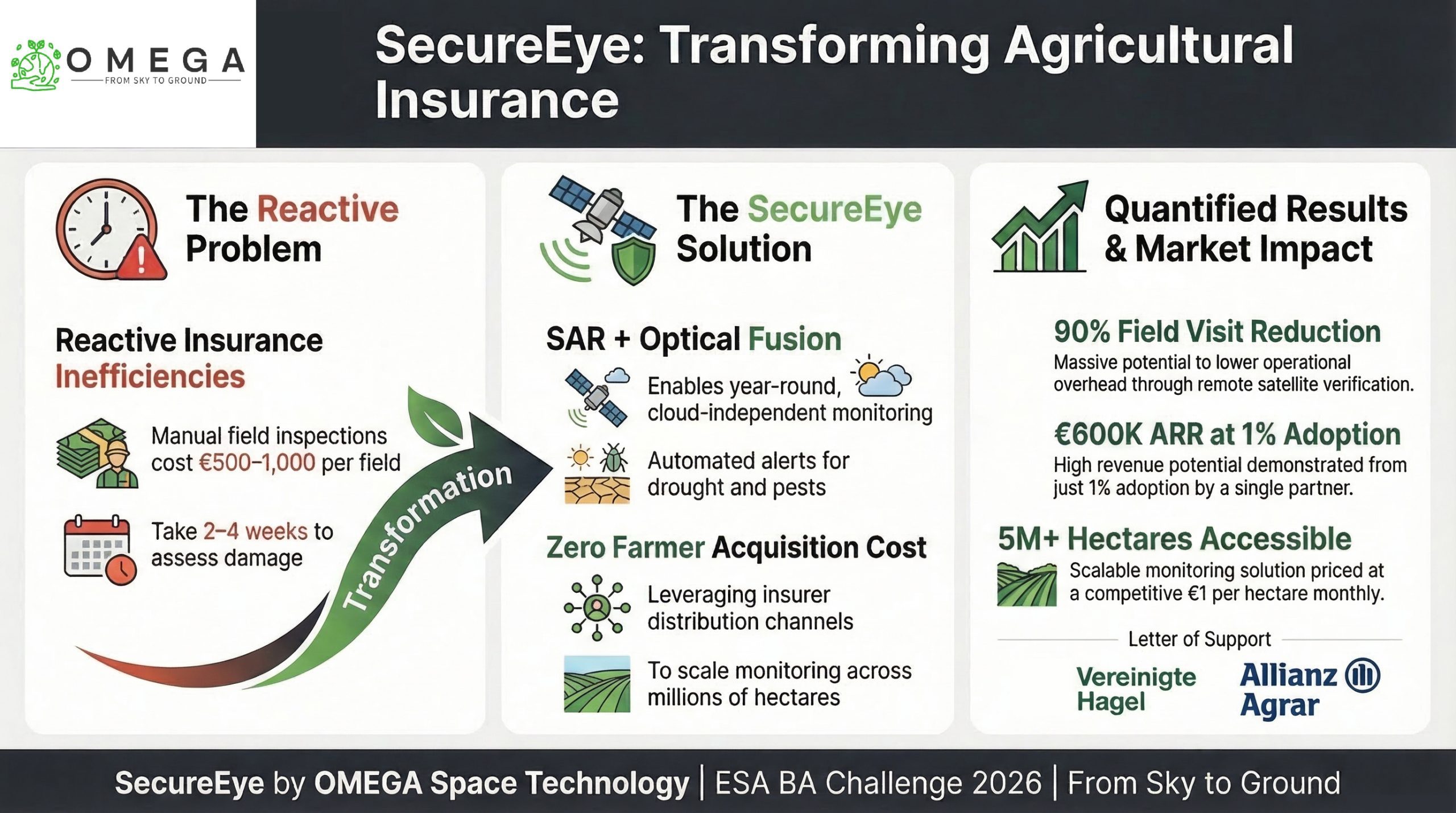
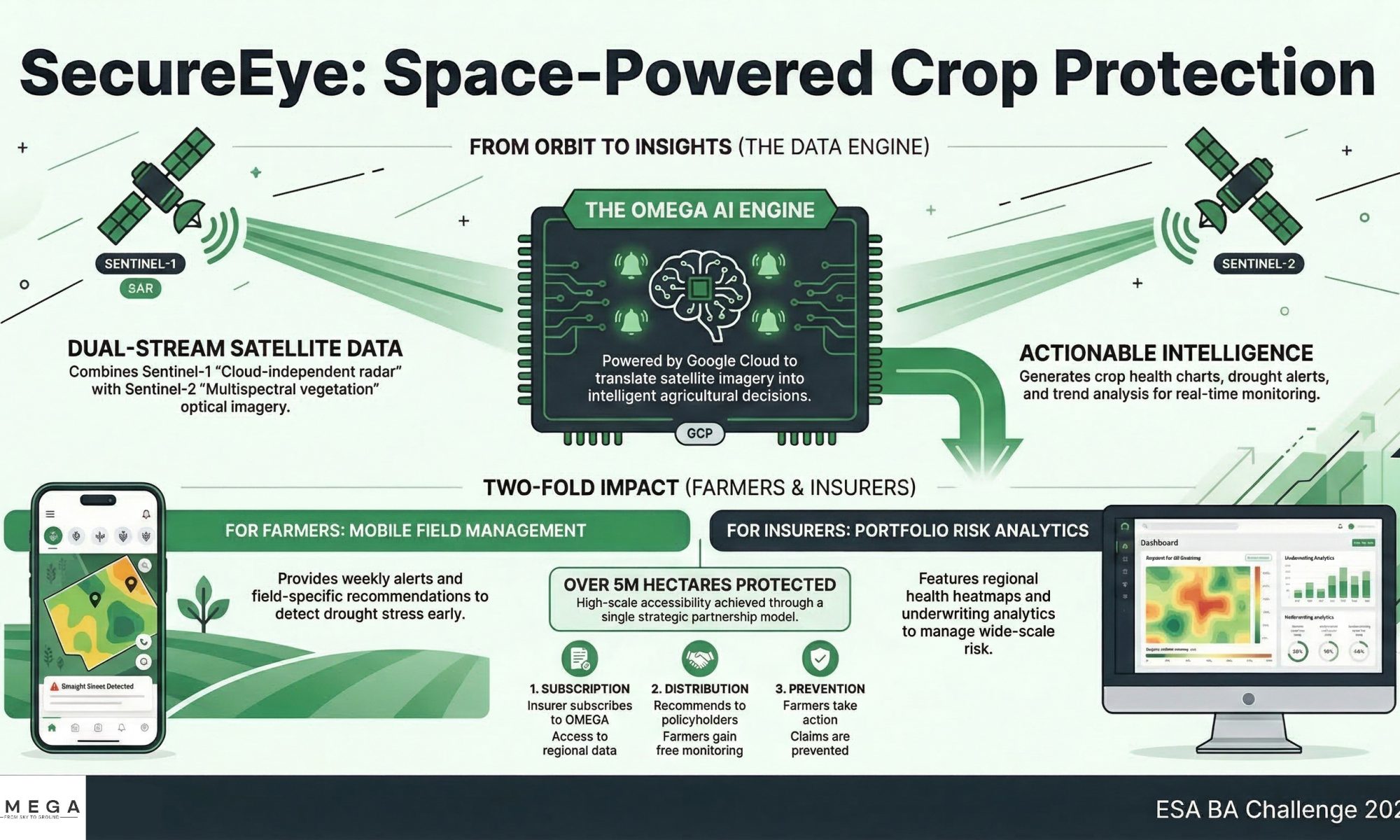
SecureEye is a satellite-powered crop monitoring service that allows agricultural insurers to provide their insured farmers with proactive damage prevention. Rather than simply reacting to losses, insurers can become proactive partners in damage prevention. The AI platform delivers field-level crop health monitoring, drought stress alerts and growth anomaly detection for farmers. For insurers, it provides aggregated crop health analytics, regional risk heat maps and early warnings across all insured farmland.
Benefits:
The first satellite service designed not just to detect crop damage, but to prevent it.
Combines Sentinel-1 SAR (cloud-independent) with Sentinel-2 optical technology to ensure uninterrupted monitoring.
Distributed through insurers who have existing relationships with millions of farmers.
Continuous monitoring with automated alerts for drought stress, pest risk, and anomalies enables farmers to intervene before losses materialise, shifting insurance from a cost centre to a valuable partnership.
Unique combination of a prevention focus, insurer distribution and multi-sensor fusion.
LARABICUS FoulCast – Satellite-Optimised Autonomous Hull Cleaning for Maritime Decarbonisation and Biofouling Compliance
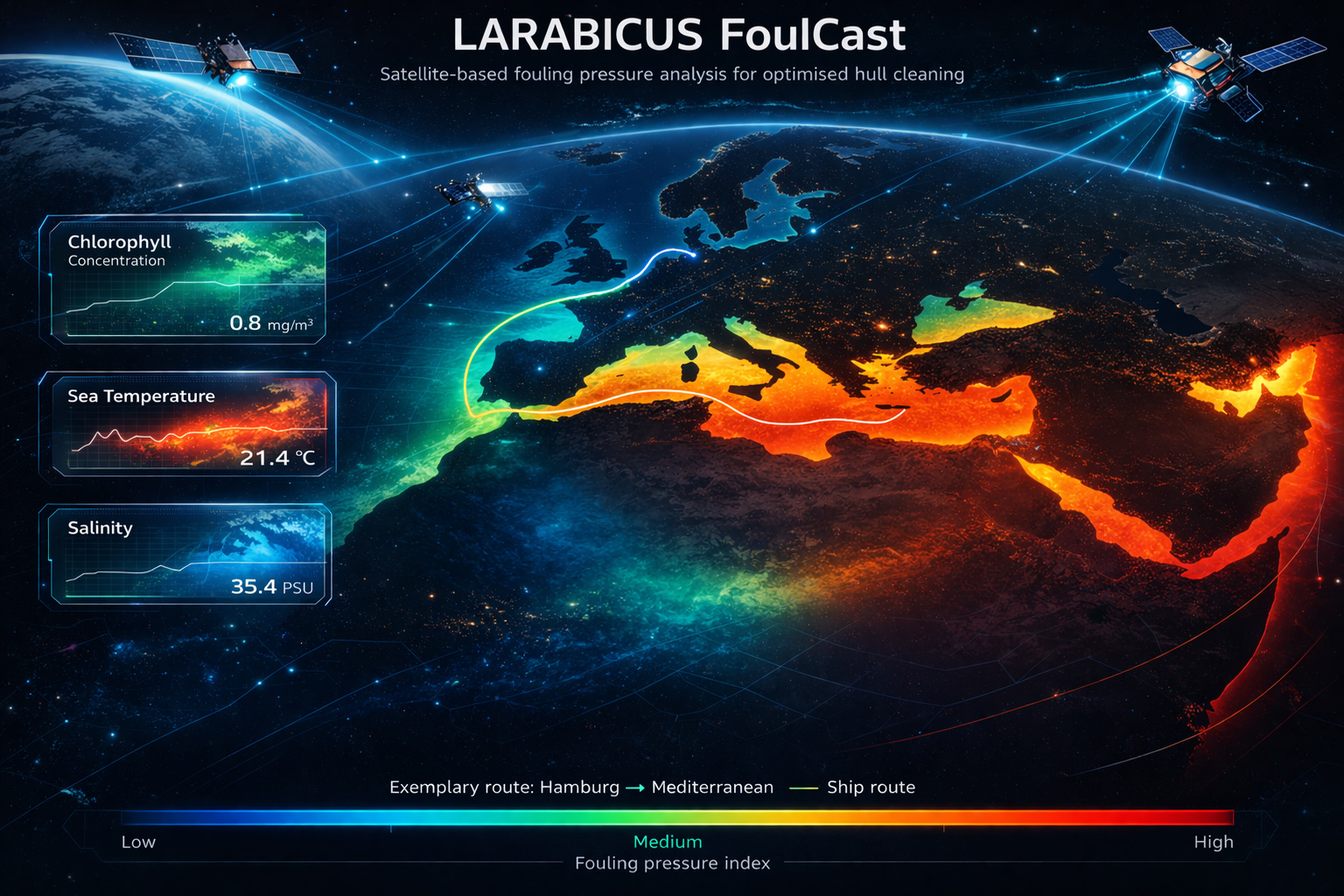
Biofouling on ship hulls can increase fuel consumption by up to 25%. The initial slime layer (biofilm) takes hours to weeks to form, depending on environmental conditions. LARABICUS solves this problem using autonomous robots that remove the biofilm continuously during normal sea passages, before it can cause damage. This service is enhanced by a satellite-based fouling analysis module that uses vessel-specific parameters to estimate the growth pressure of biofilms per route segment and season.
Benefits:
LARABICUS can save 2,000–6,000 tonnes of CO₂ per vessel per year.
Smarter planning: Using satellite-based estimates instead of conservative worst-case planning means up to 50% fewer robots on low-fouling routes. This doubles fleet coverage with identical hardware.
Immediate data: 10+ years of environmental data at daily resolution and global coverage, enabling informed decisions from the first customer ship.
Route-specific service optimisation: Fewer robots and lower cleaning frequency on cold-water routes, more intensive service on warm-water routes. This reduces hardware cost, extends robot lifetime through reduced wear, and ensures consistent hull performance.
Blade – Autonomous Controlled Descent System (ACDS): Autorotation System for Controlled Deployment of Lightweight Systems and Mesh-Networks
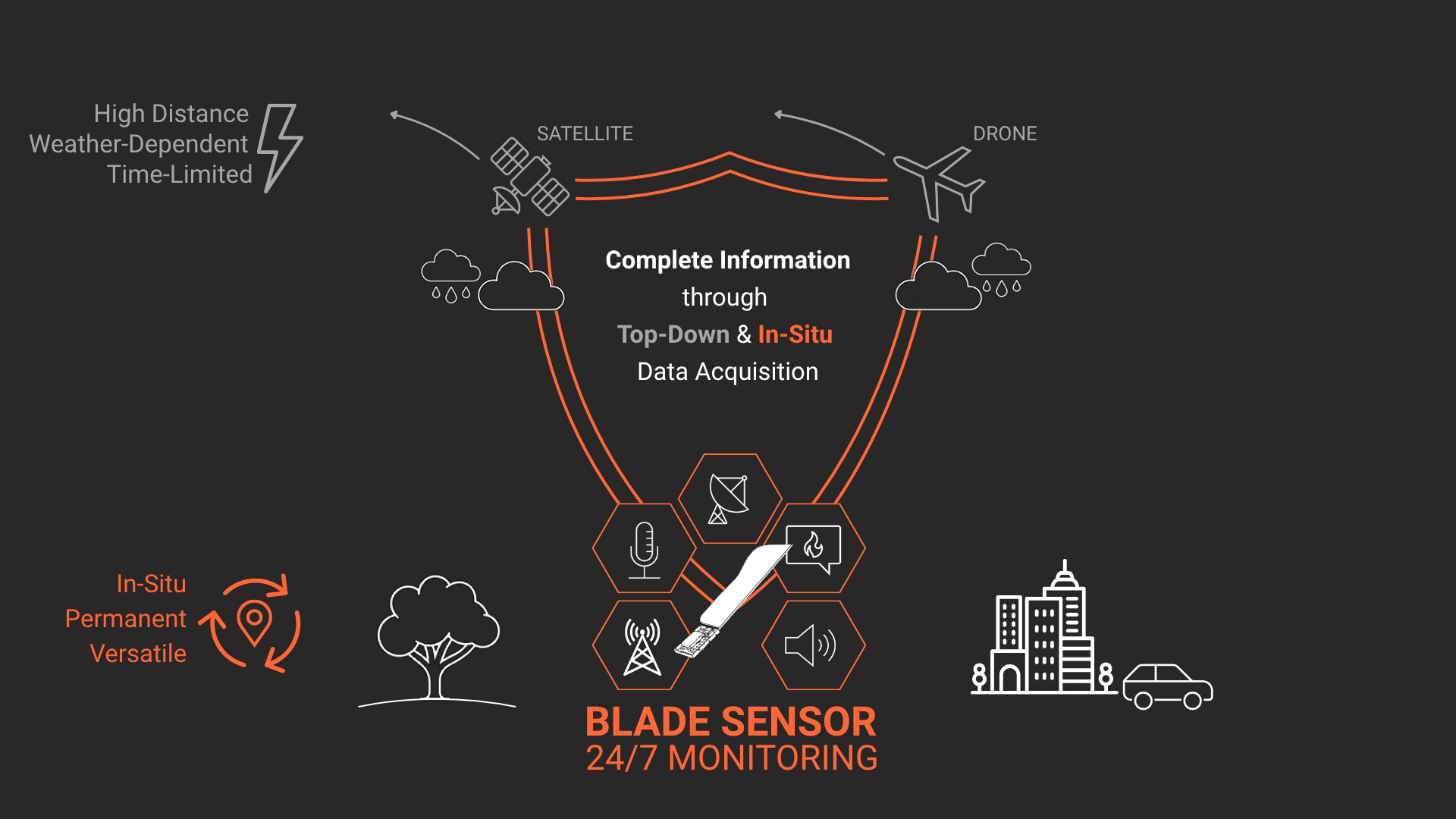
Blade is an autonomous, efficient sensor deployment platform for scalable in-situ data collection in areas where distributing sensors manually is too complex, risky, or costly. Nowadays critical information is mainly gathered via drones or satellites which are limited by flight time, weather, access windows, and distance from the actual point of interest. As a result, local data is often missing exactly where decisions must be made. Blade’s controllable carrier and landing system deploys sensors precisely, affordably, and at large scale.
Benefits:
Provides the physical transport platform that enables sensors, network beacons, and similar lightweight systems to reach their intended destination precisely and reliably, with significantly greater scalability than existing approaches.
Based on autorotation, inspired by the flight behaviour of maple seeds
Instead of descending passively (e.g. parachutes or uncontrolled drop), the platform performs a controlled and stable flight.
Transforms a natural flight principle into a practical deployment mechanism for remote, disrupted, or hard-to-access environments.
The platform can serve as a tool for a wide range of use cases, in which sensors, network beacons, etc. need to be placed on the ground quickly and accurately.
Scalable alternative to manual placement, offering greater precision and robustness than parachutes, simple drops, or drones in scenarios where detectability, drift, endurance, or payload protection limit existing solutions.
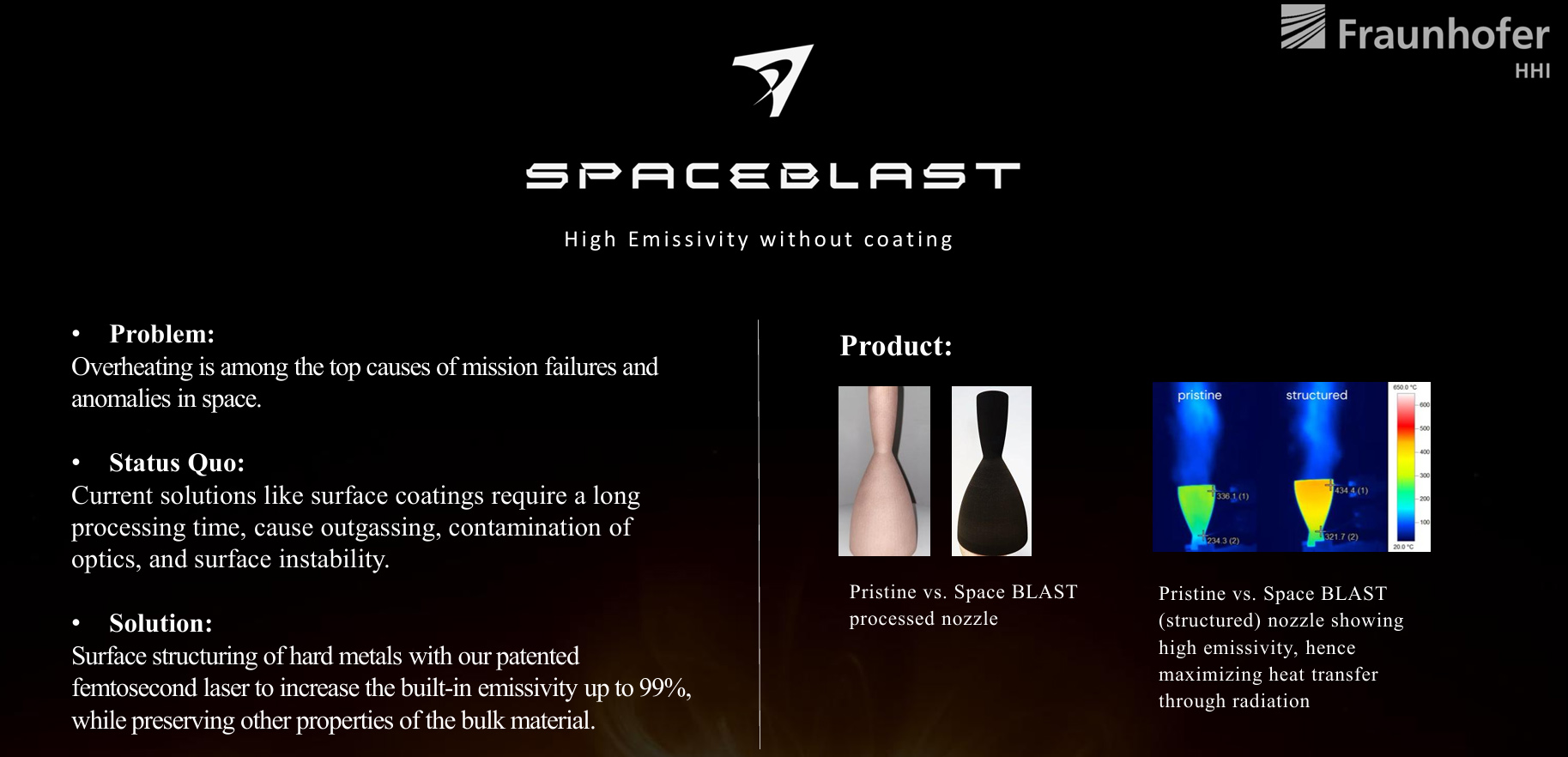
SpaceBLAST – Laser Surface Structuring of Hard Metals to Increase the Built-in Emissivity of the Material for Thermal Management in Space
Overheating of spacecraft systems and components is one of the main reasons for space missions’ failure. Our patented femtosecond laser surface structuring technology enhances the emissivity of hard metals, enabling reliable and robust thermal regulation for space applications. The femtosecond laser increases the built-in emissivity of the material up to 99%, while preserving other properties of the bulk material like conductivity and magnetism.
Benefits:
This patented femtosecond laser technology can be used to surface-structure hard metals to increase their built-in emissivity by up to 99%, while preserving all the other bulk material properties.
It drastically reduces processing time from 6–12 weeks to 2–4 days, does not require reapplication, and can increase the life cycle of the component.
It provides resistance to surface degradation, AtOx and outgassing, and keeps contamination to a minimum.
It boosts emissivity up to 99% and up to the melting temperature of the material.
Linq Photonics – Chip-Level Integrated Photonic Light Modulators that Split a Laser into 3X more Channels than Current Solutions
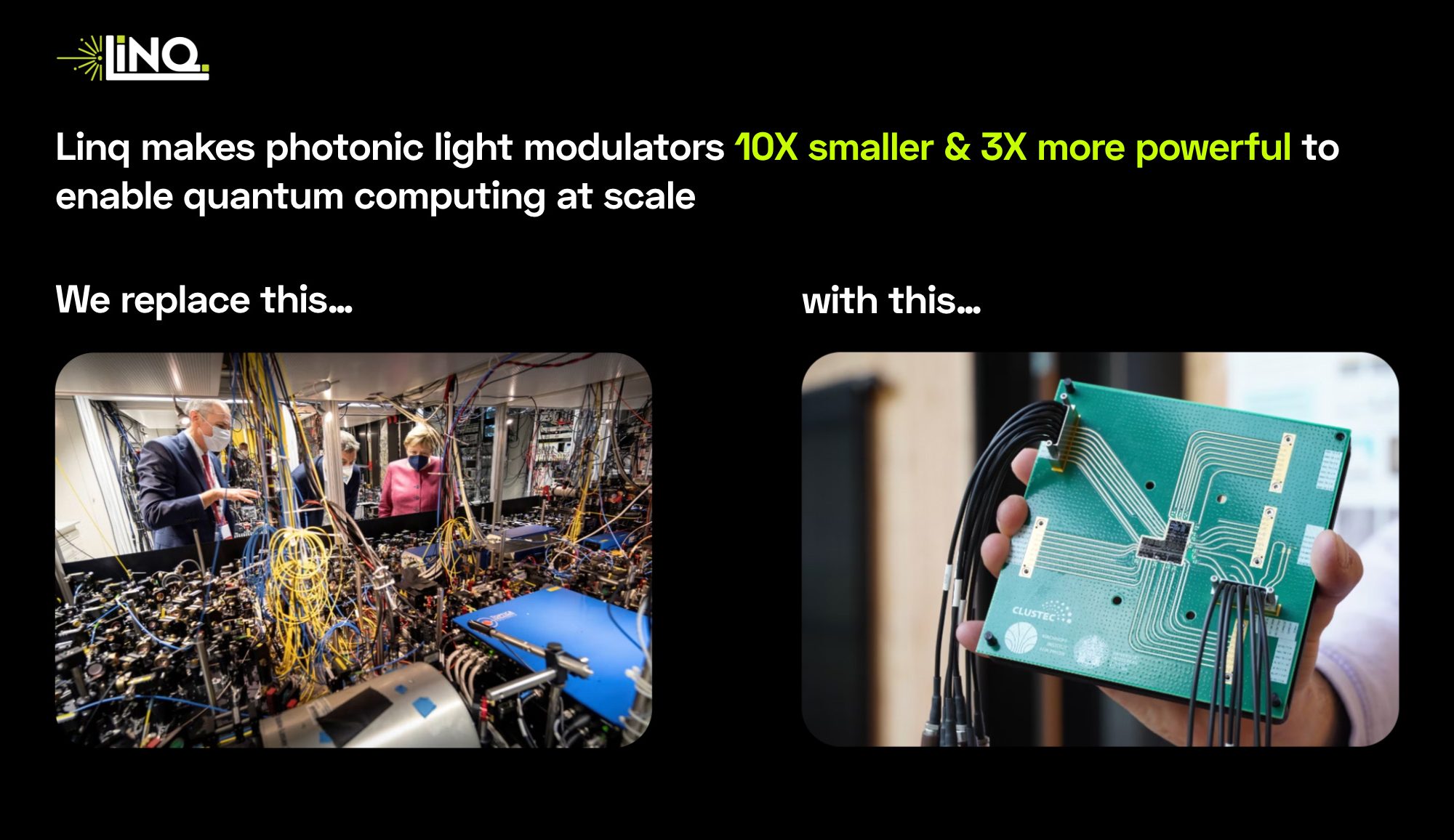
Linq Photonics develops compact, high-performance photonic components for quantum computing, optical satellite communication, and space applications. These systems require precise and stable electro-optic laser modulation for laser control, timing, encoding, and communication. Unlike conventional bulky optical setups, Linq’s chip-integrated photonic modulators provide three times more channels while using only 10% of the space. Their alignment-free design offers exceptional stability and reliable operation in cryogenic, vacuum, and thermally demanding environments.
Benefits:
Integrated photonic electro-optic modulation units that enable parallel, high-extinction-ratio and high-speed optical control in a compact and mechanically robust form factor, specifically designed for space-relevant applications.
Replacement of complex free-space optical assemblies with compact thin-film lithium niobate (TFLN) photonic integrated circuits (PICs).
High-speed, multi-channel modulation within a single robust subsystem, providing alignment-free operation and mechanical stability, which is ideal for cryogenic, vacuum, and thermally dynamic environments.
The wavelength is flexible (primarily 1550 nm) and it supports satellite communications, quantum sensing and metrology.
Reduces SWaP, improves long-term operational stability, and enables the parallel operation of multiple optical channels within one hardware platform.
CoolCerAM – Additive Manufacturing of Ceramic Transpiration Cooling: Additive Manufacturing of High-Performance Ceramic Components with Integrated Graded Porosity for Transpiration Cooling
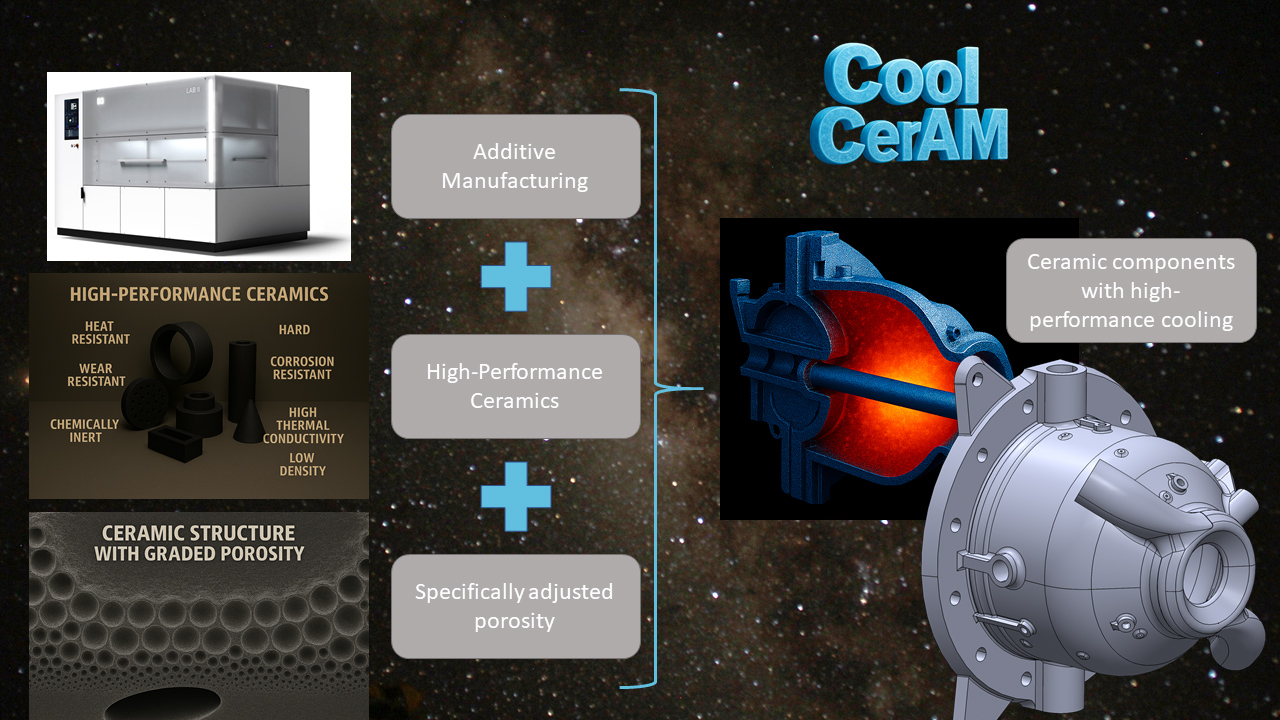
High-performance electronics must be cooled precisely where heat is generated and where materials are subject to maximum thermal stress. The CoolCerAM project develops heat-resistant ceramic components with integrated cooling by building a complete manufacturing process, from ceramic powders and 3D printing to post-processing and testing. By creating controlled porosity, the new ceramic components provide more effective cooling than conventional heat sinks while reducing weight and improving efficiency.
Benefits:
Ceramic components have a higher temperature resistance than metals (Inconel max. 1100 °C, SiC min. 1600 °C).
Higher thermal conductivity of SiC (100–200 W/m K) than high-temperature-resistant metals (e.g. Inconel: 15–20 W/m K)
Significantly lower density (SiC: 3.1–3.2 g/cm³, Inconel: >8 g/cm³)
Cooling performance comparable to heat pipes, but based on ceramics with flexible geometric adaptability (heat flux at least 10 times higher)
BESTalain – Deep Space Radioprotector: Harnessing and Optimising Nature’s Radiation Shield to Protect Astronauts in Deep Space
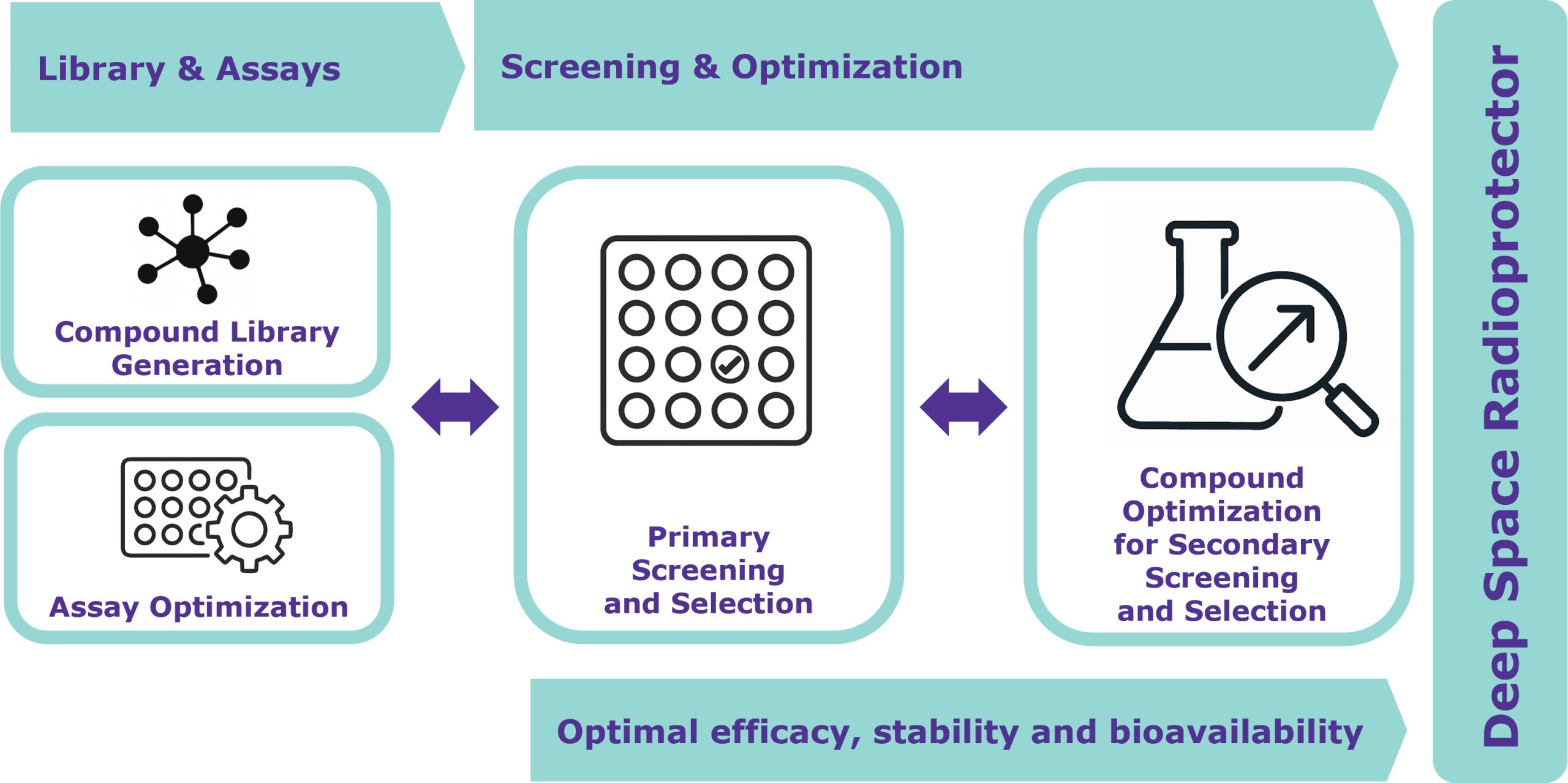
Radiation is one of the greatest barriers to human space exploration. Beyond Earth’s magnetic field, high-energy particles damage cells and threaten astronaut health – with no effective pharmacological solution yet available. BESTalain addresses this gap by developing radioprotective compounds inspired by natural pigments, then optimising them through advanced pharmaceutical chemistry. The result: a safe, orally administered radioprotector purpose-built for astronauts, with future potential in aviation, nuclear medicine and emergency response.
Benefits:
Effective, safe and practical pharmacological protection against space radiation, unlike any currently approved treatment.
Orally administered, it protects cells without impairing cognition, coordination or immune function, fulfilling critical requirements for space medicine.
Radiation dose limits can be mitigated, enabling missions to be extended in terms of both duration and destination.
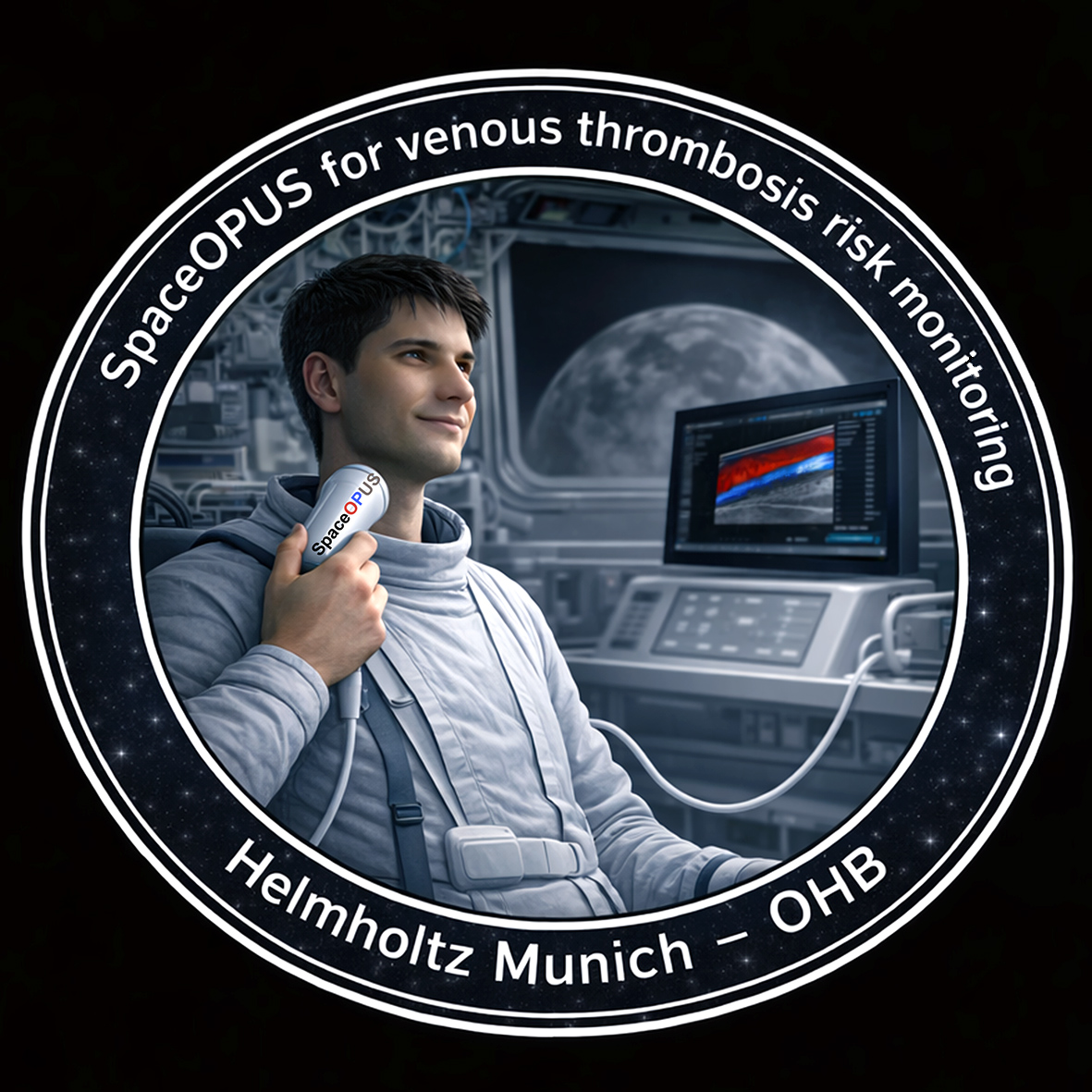
SpaceOPUS for Venous Thrombosis Risk Monitoring – A Novel Optoacoustic-Ultrasound Platform for Venous Thrombosis Risk Monitoring in Space and Transformative Cardiovascular Care on Earth
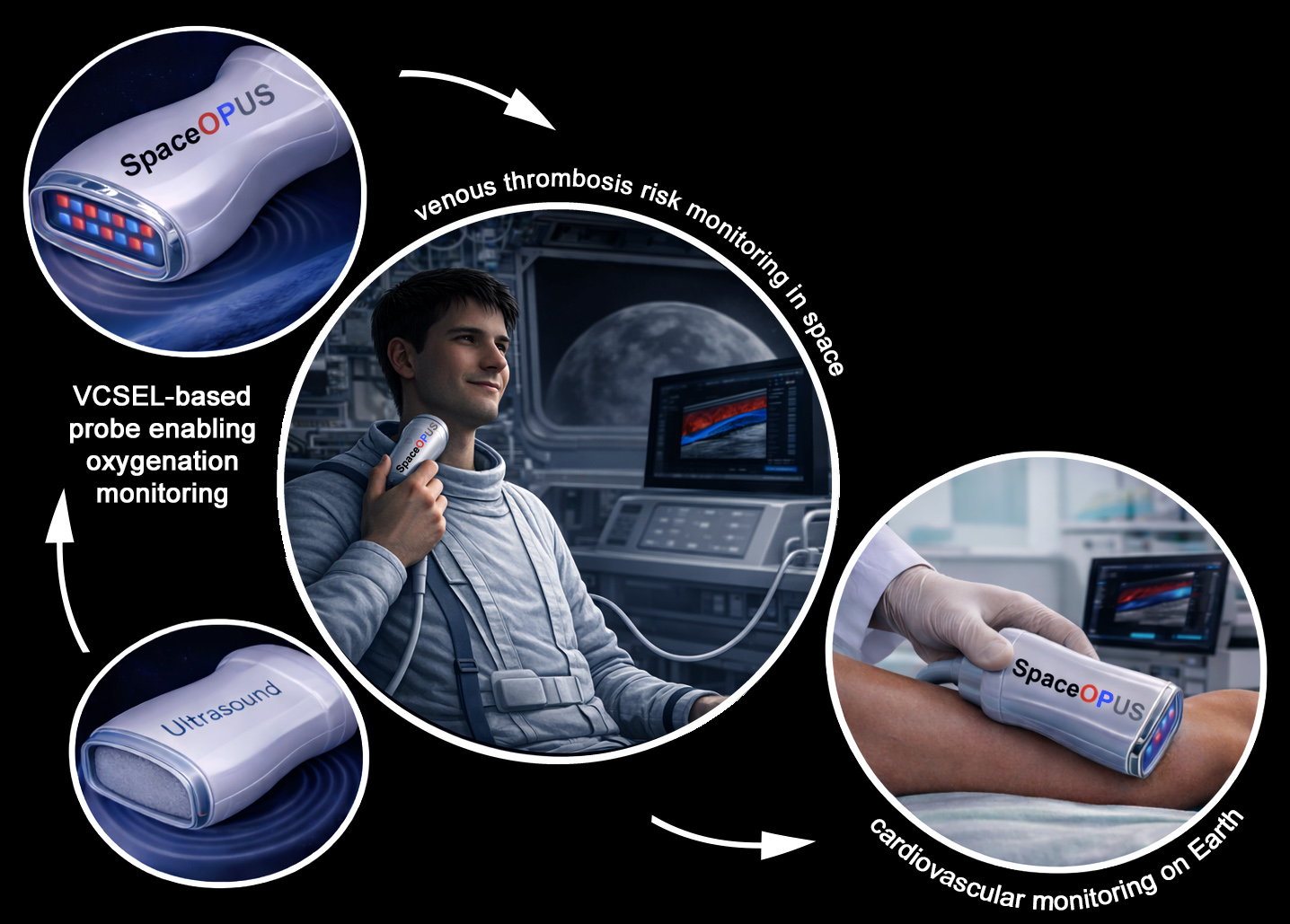
Long-duration spaceflights cause persistent fluid shifts towards the head of astronauts, increasing the risk of thrombosis. SpaceOPUS uses ultrasound examinations alongside functional optoacoustic (OptA) oxygen saturation monitoring to provide novel, spaceflight-derived biomarkers and mechanistic insights into specific veins and surrounding tissues. This enables the early detection of problems and the initiation of countermeasures.
Benefits:
Translating clinically validated multispectral OptA into human spaceflight
Functional vascular imaging of differential oxygenation, the internal jugular vein and surrounding tissues in microgravity
Providing novel biomarkers and critical insights related tovenous thrombosis risk
Objective assessment and evaluation of countermeasures in astronaut‑analogue facilities and during future missions
The VCSEL-based probe is compact, robust and cost-efficient, and can be seamlessly integrated into existing ultrasound platforms with minimal volume and power overhead.
BLAST-WHITE – White Laser Structured Metal Surfaces with Maximized Thermal Emissivity and Minimized Visible Light Absorptivity
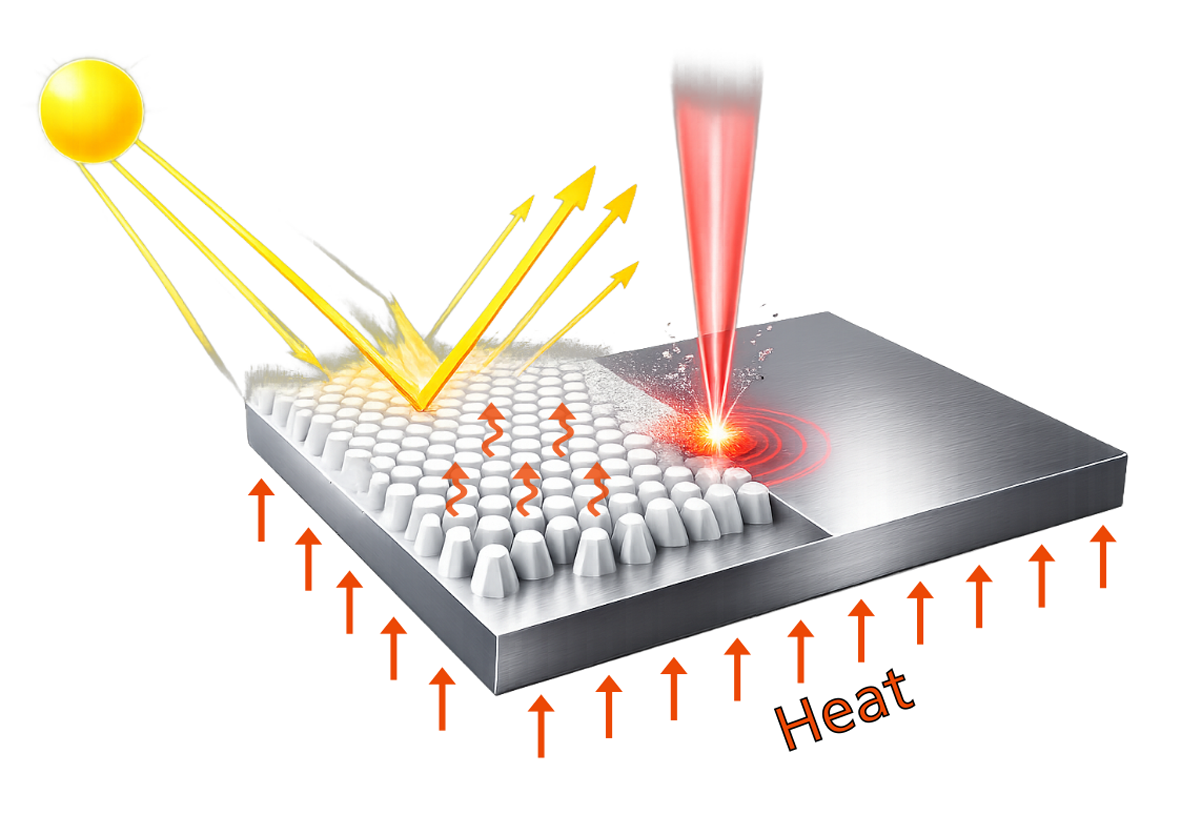
Thermal management is a major challenge for spacecrafts. In the vacuum of space, heat can only be dissipated by thermal radiation. However, good thermal emitters are typically also strong solar absorbers. An ideal surface therefore reflects visible sunlight to minimize heating while efficiently emitting thermal radiation. This project addresses this challenge by developing sustainable, white, highly reflective, and thermally emissive surfaces through femtosecond laser structuring of bulk materials.
Benefits:
One-step process without masking for spatially resolved surfaces
Flexible and customer-oriented adaptation of the process for areas with different surface properties on the same workpiece (e.g. an absorptive but not emissive region).
Process that does not require pre-treatment and is performed at atmospheric conditions without tempering or curing.
Avoidance of REACH-related/toxic components
Absence of any components prone to outgassing (e.g. solvents, stabilisers, plasticisers)
Surfaces are highly stable, even under harsh conditions, and are not prone to flaking.
Possibility to repair damaged surfaces using a spatially resolved laser process exclusively on the damaged area
Fraunhofer Institute for Telecommunications, Heinrich-Hertz-Institute, HHI Prof Dr Eike Hübner eike.huebner@hhi.fraunhofer.de