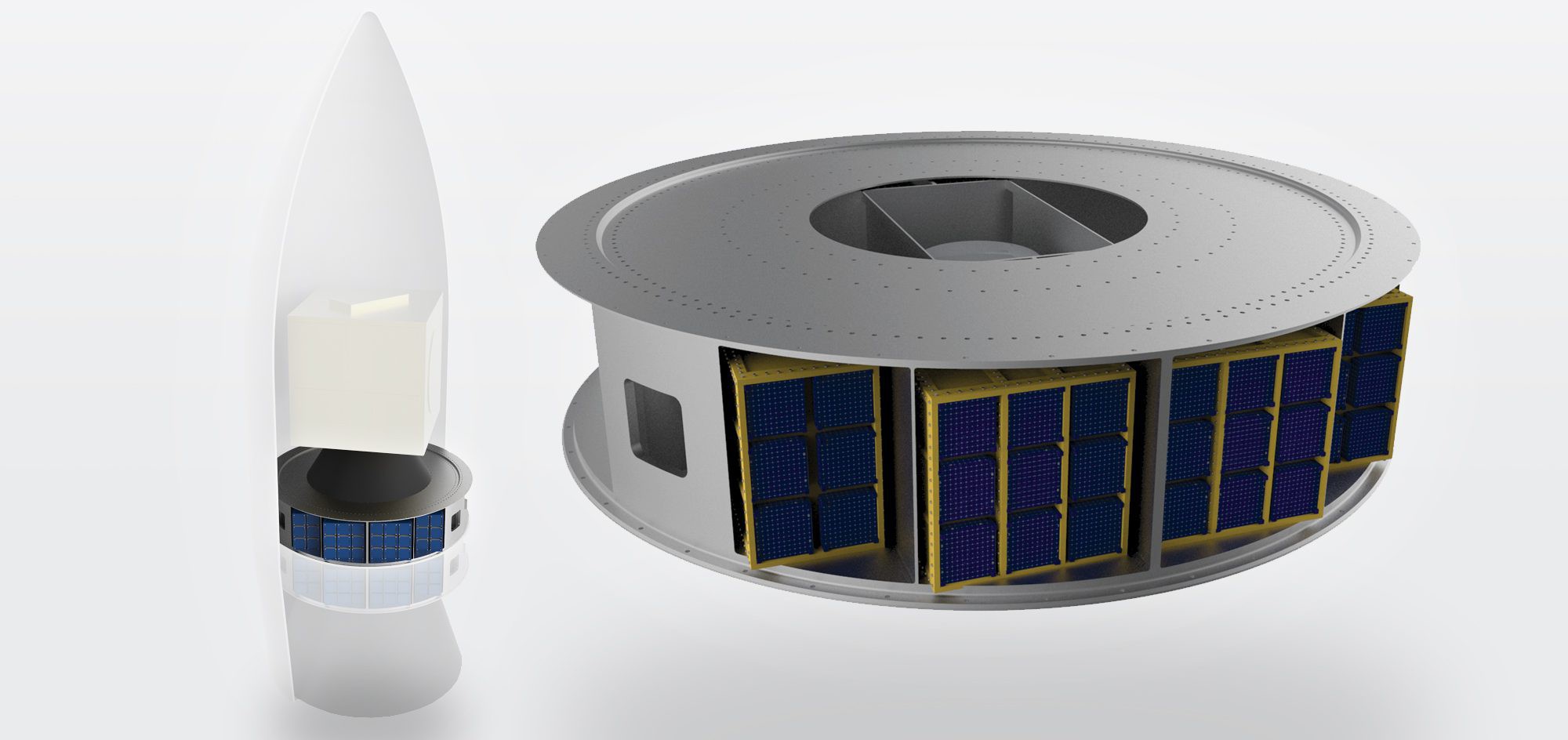
In the next decade, Europe will need a replacement for the International Space Station (ISS) – a new environment in which payloads can be tested in microgravity and the extreme conditions of space. Levity Space System has set its sights on providing public and private institutions with frequent, affordable access to space. MESA – Europe’s first modular and stackable satellite structure – is designed to facilitate microsatellite launches, in-orbit demonstrations, and the hosting of experiments. lt will be launched as a secondary payload between the upper stage and primary payload of the Arianespace launch vehicles VEGA-C+ and -E.
Benefits:
Flexible, modular structures for space transports
Sustainable R&D in space in the post-ISS era
Turnkey launch solutions and microsatellite deployment in constellations
MESA subsystems capable of transporting technologies and experiments directly from labs into space
Levity Space Systems Aachen, Germany Andres Lüdeke www.levity.space andres.luedeke@levity.space
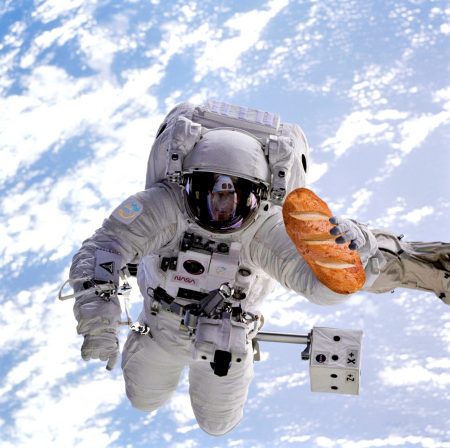
The objective of Bake in Space is to make fresh bread – in this case, common German rolls – aboard the International Space Station (ISS). To that end, the project is building a space-ready oven that will be capable of baking a dough mixture designed for this unique weightless environment. The idea is to use this endeavour as a stepping-stone to providing fresh food that will benefit the wellbeing and general quality of life of those living and working in space. Bake in Space is leveraging the business opportunities afforded by the commercialisation of the ISS and is contributing directly to NASA and ESA’s goals for the long-term exploration efforts of humankind.
Benefits:
Bulk dough packages for future astronaut missions (also suitable as unique gifts for people on Earth)
Branded products for space conferences and other events
Oven will be made available on a pay-per-use basis to other researchers interested in exploring its uses on the ISS
Project will generate spin-off IP and products that could be used for B2B and B2C activities on Earth
Bake in Space GmbH Bremen, Germany Sebastian D. Marcu www.bakein.space sebastian@bakein.space
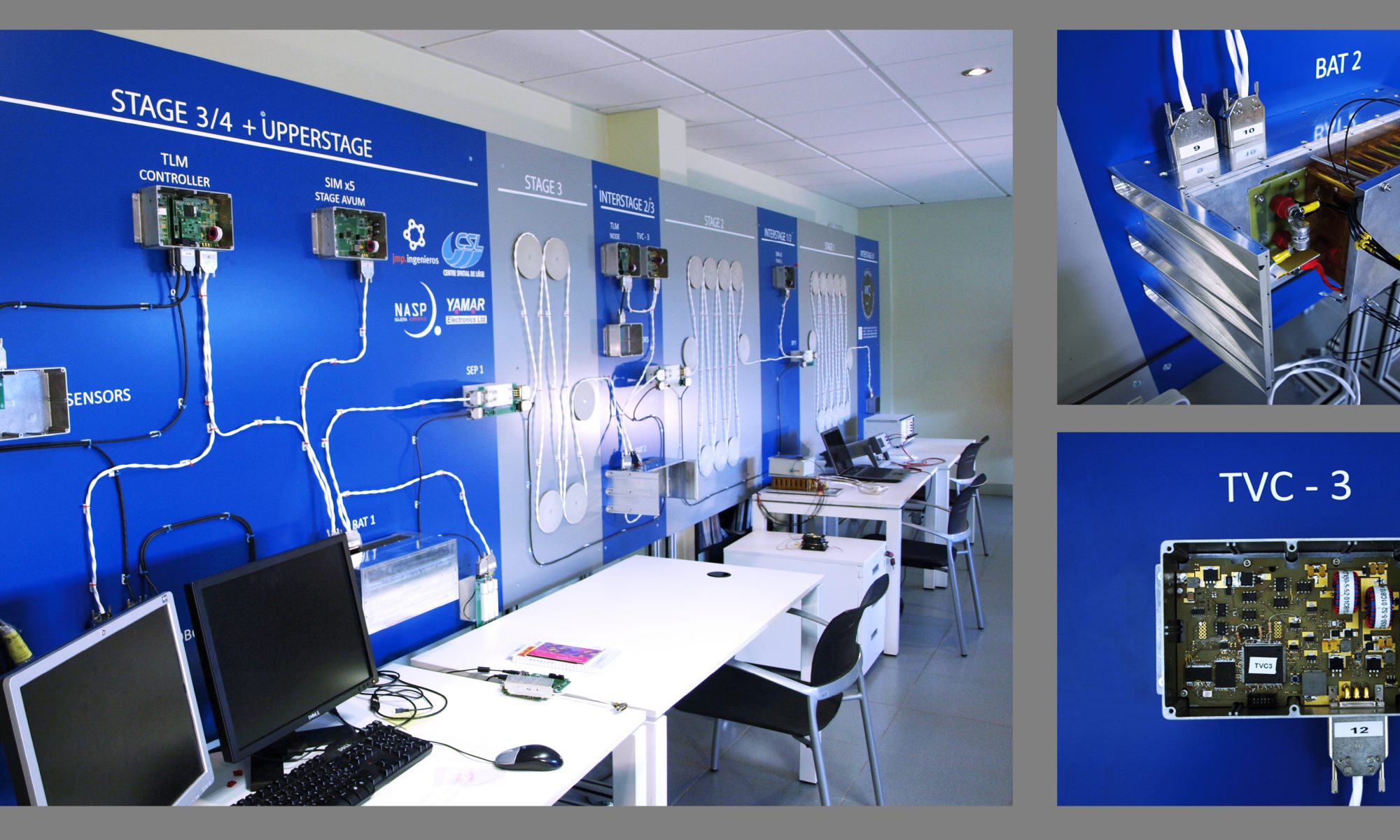
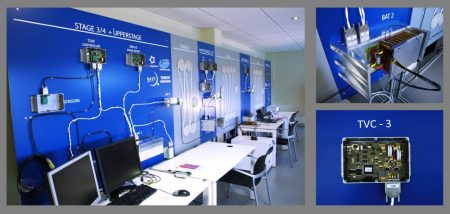
MPBUS is a decentralised power distribution architecture for spacecrafts, capable to transmit data over the same two power wires, allowing both weight reduction and cost reduction, due to harness design, assembly and integration tasks simplification.
Two front ends, for power sources and for consuming energy devices
No Power Distribution Unit (PDU), each device has its own power/load management
Smart Battery Management: on-board computer can decide which of the distributed batteries is active
MPBUS branches can be jettisoned (launchers stages)
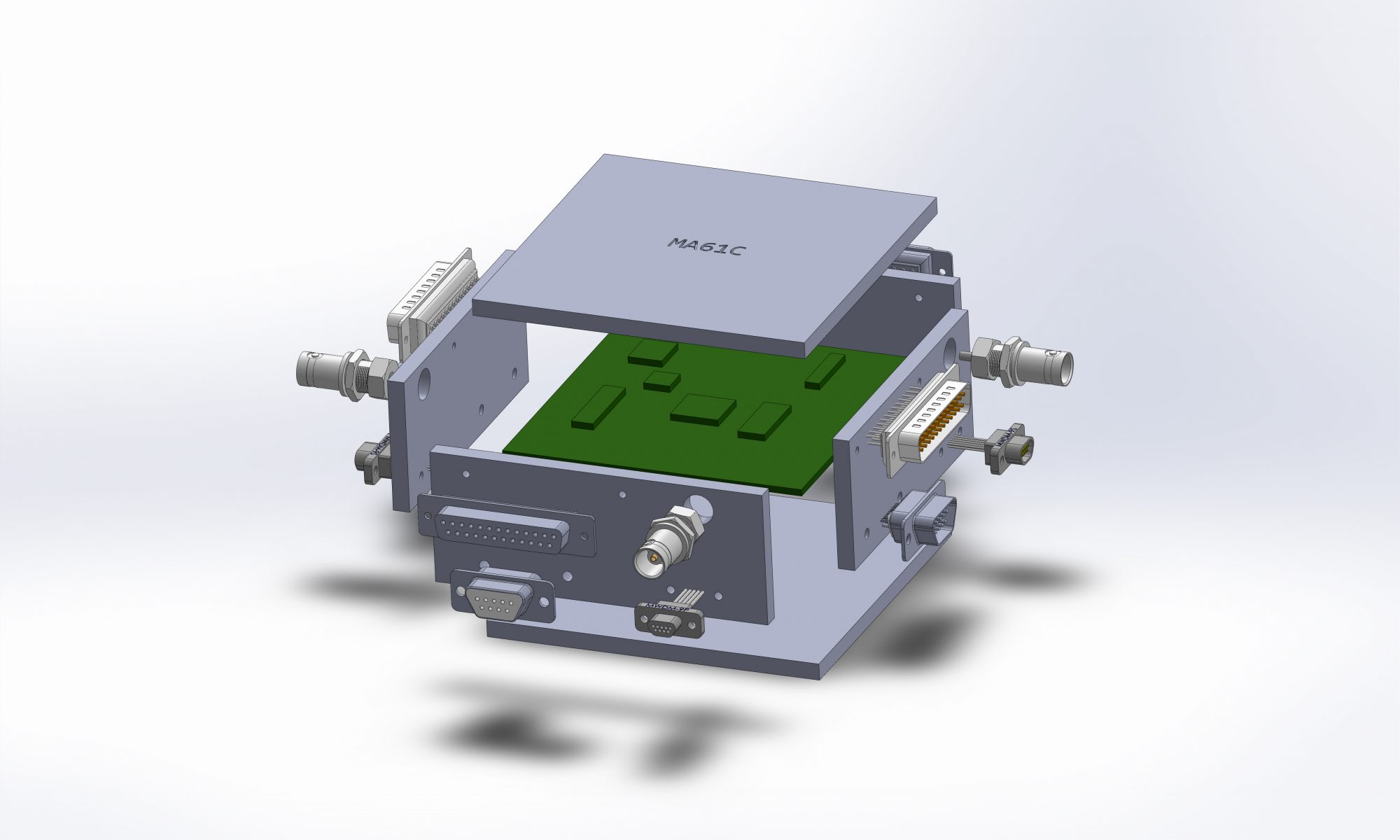
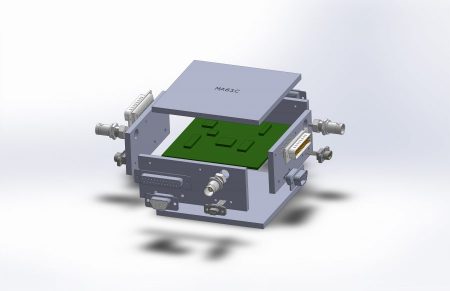
MA61C is a universal adapter that connects any subsystem to any spacecraft platform, reducing costs and time of satellite manufacturing. Once MA61C is connected with the satellite subsystem and the on-board computer, it powers up and integrates them. The advantages are:
Integration of subsystems without programming (plug & play)
Compatibility with most used subsystems
Design based on requirements and specifics from its customers
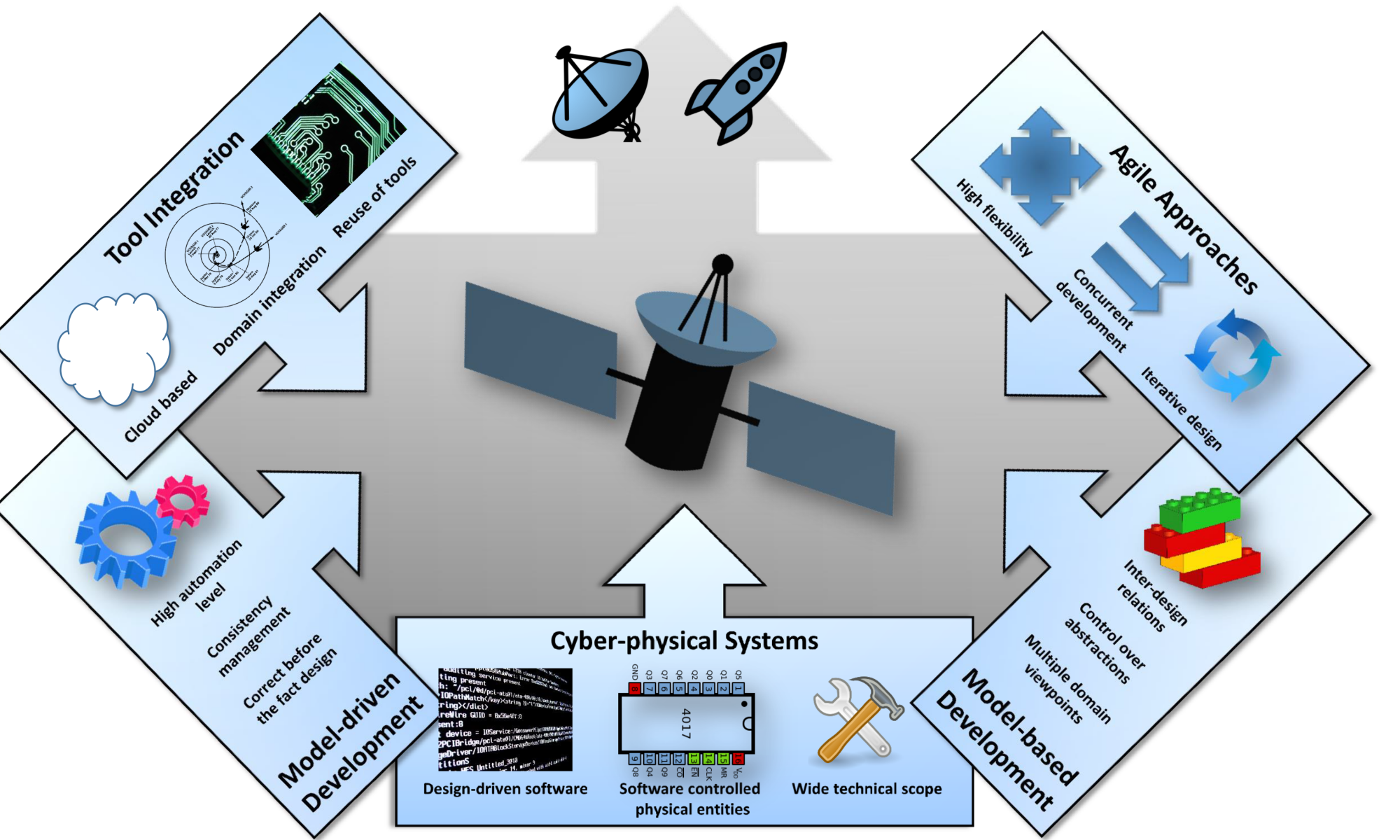
Innovative development framework for small satellite industry, utilising advanced complexity handling techniques adapted for use in both cyber and physical domains. The advantages:
Providing higher reliability end products with lower costs
Cloud-based framework, integrating wide range of tools
Agile and model-based/-driven development approaches
Automated consistency checks, overall validation and verification support