BlueSentinel – Space-enhanced monitoring system for maritime navigation and infrastructure protection
The global markets for maritime security, GNSS integrity, and the detection of uncooperative ‘dark ships’ are developing rapidly. This is due to geopolitical tensions, the expansion of offshore infrastructure, and the growing demand for robust monitoring capabilities.
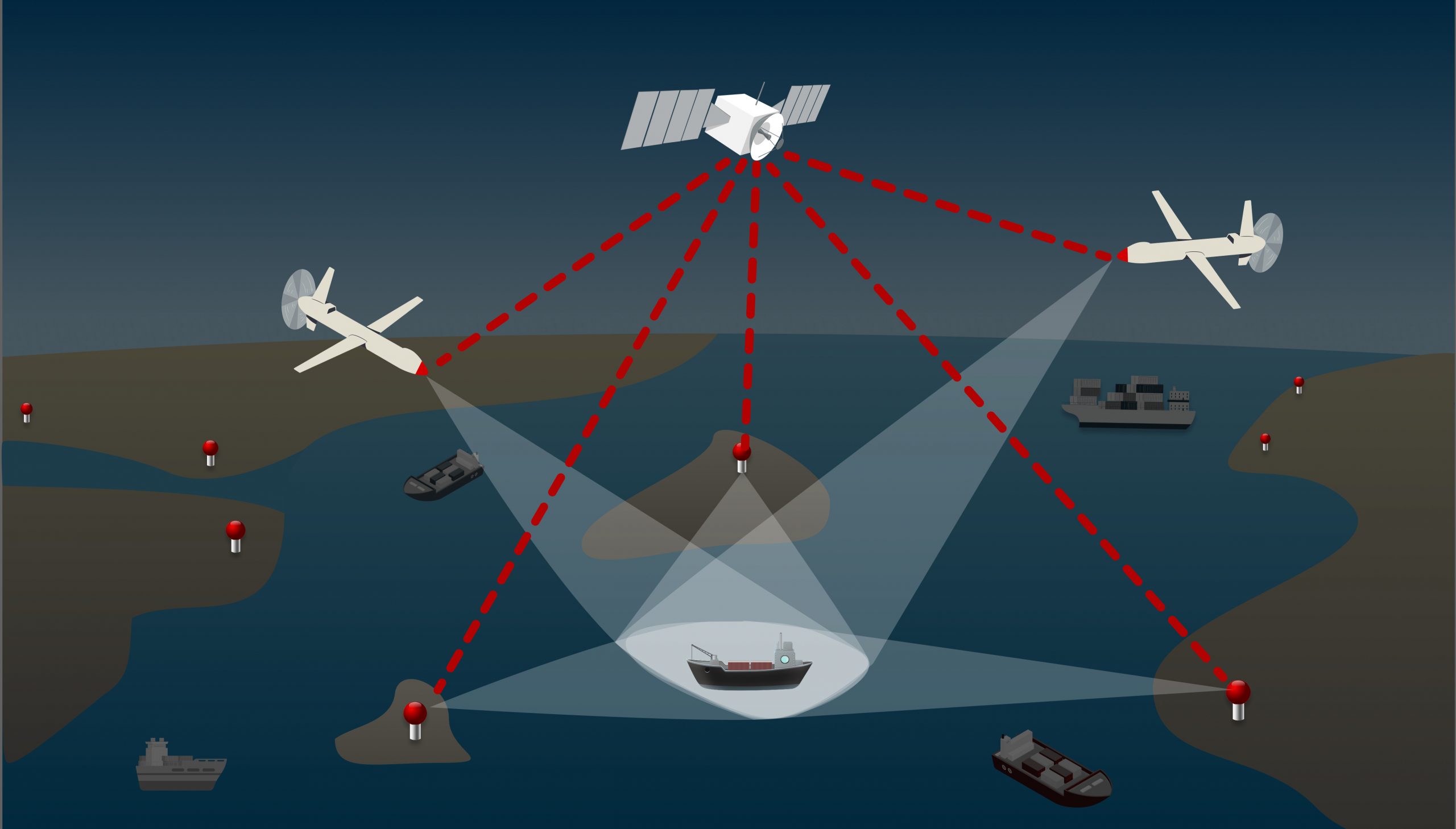
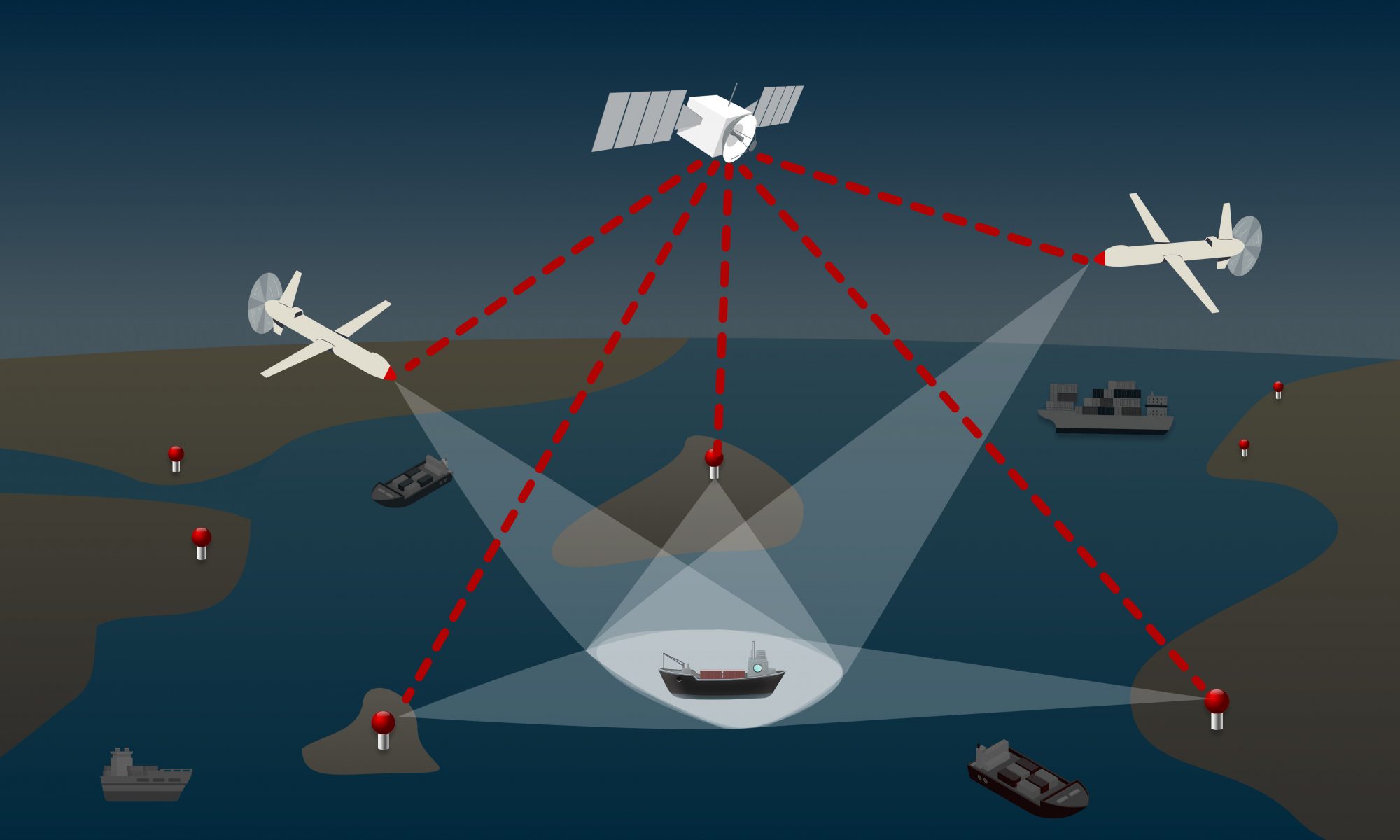
BlueSentinel is an innovative, space-enabled maritime surveillance system designed to detect and track vessels, even in the most remote and infrastructure-poor regions. It builds on proven land-based tracking technology by integrating satellite timing and communication.
The system passively detects radar signals, AIS/VDES transmissions, and GNSS anomalies, and can also identify spoofing, jamming, and dark vessel activity. Its compact sensors can be deployed on drones, autonomous buoys or coastal installations, operating independently of local networks. This makes BlueSentinel ideal for enhancing maritime safety, protecting critical offshore infrastructure, and supporting environmental enforcement in inland waters, the Arctic, and beyond.
Benefits:
Real-time anomaly detection with the ability to alert, escalate or trigger satellite-based follow-up actions.
Operational resilience for maritime sector through GNSS-independent tracking (infrastructure-based sensors) and low timing requirements (achievable with RTC modules).
Extending coverage to the most challenging environments (e.g. offshore zones, Arctic regions, remote coastlines).
Seamless integration with existing systems (VTS, Coastal Surveillance, Defence Platforms).
Due to their critical nature, the monitoring of subsea cables and pipelines has become a matter of national interest. Historically, these infrastructures have largely been unmonitored. However, recent acts of sabotage have prompted governments to consider ways of monitoring and protecting these vital assets.
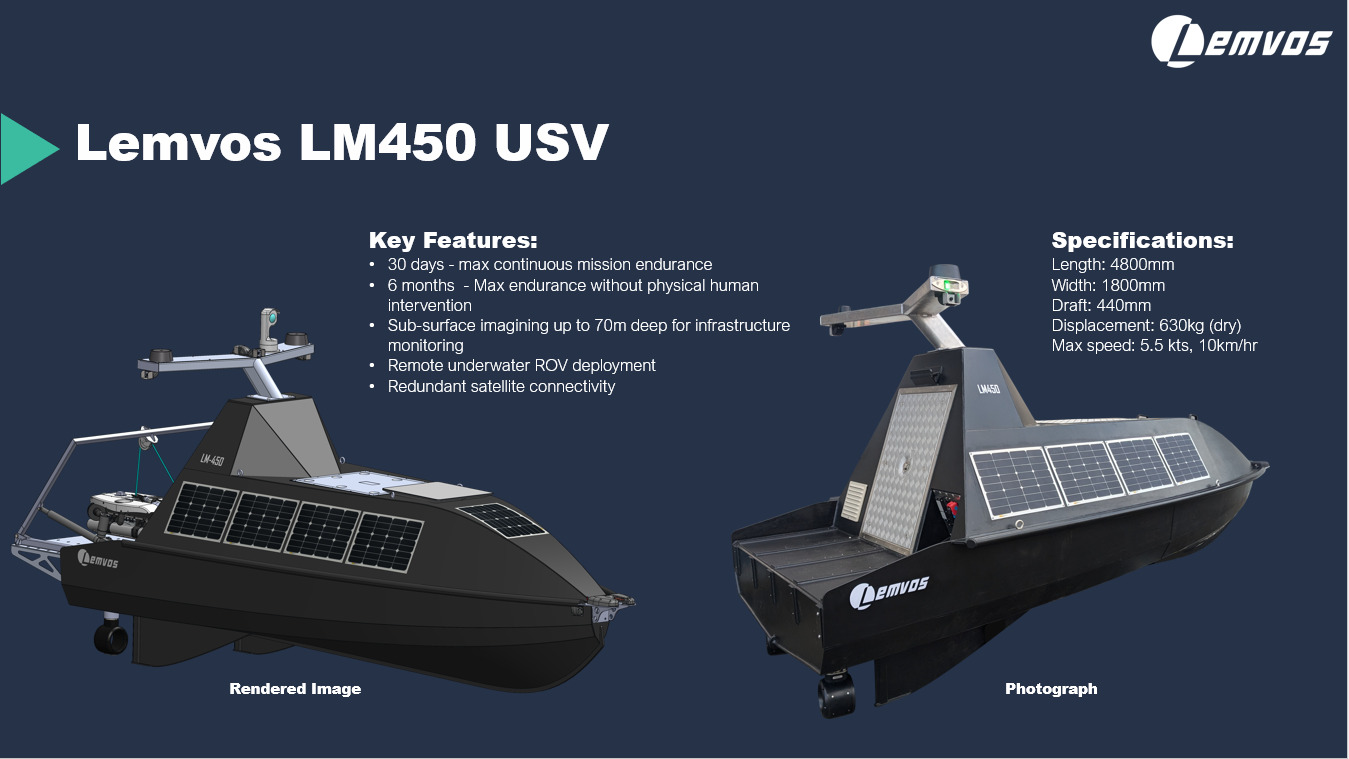
Lemvos has developed an automated, GNSS-guided, satellite-connected Unmanned Surface Vessel (USV) for monitoring subsea infrastructure. Equipped with high-resolution sonar imaging, the system enables 100% remote monitoring in harbour and offshore environments. This technology plays a crucial role in securing valuable subsea assets of national importance, such as cables and pipelines, by providing reliable, continuous surveillance.
Benefits:
Ability to increase efficiency, scalability and cost savings for subsea monitoring, while reducing environmental impact and safety risks.
With semi-autonomous capabilities, a single operator can manage multiple USVs simultaneously, significantly expanding coverage compared to traditional crewed vessels.
Remote operation eliminates travel time and the DockMaster system automates deployment, reducing downtime and maximising productivity.
Fuel and CO₂ emissions are significantly reduced due to the compact, crew-free design of the vessel.
Hyposto energy storage solutions for optimising power supply in space missions
The market for energy storage solutions in the space sector is growing continuously. There is a need for new energy storage systems that can withstand extreme conditions such as radiation, temperature fluctuations, and long operational durations, because conventional lithium-ion batteries face limitations due to their limited cycle life, temperature sensitivity, and radiation vulnerability.
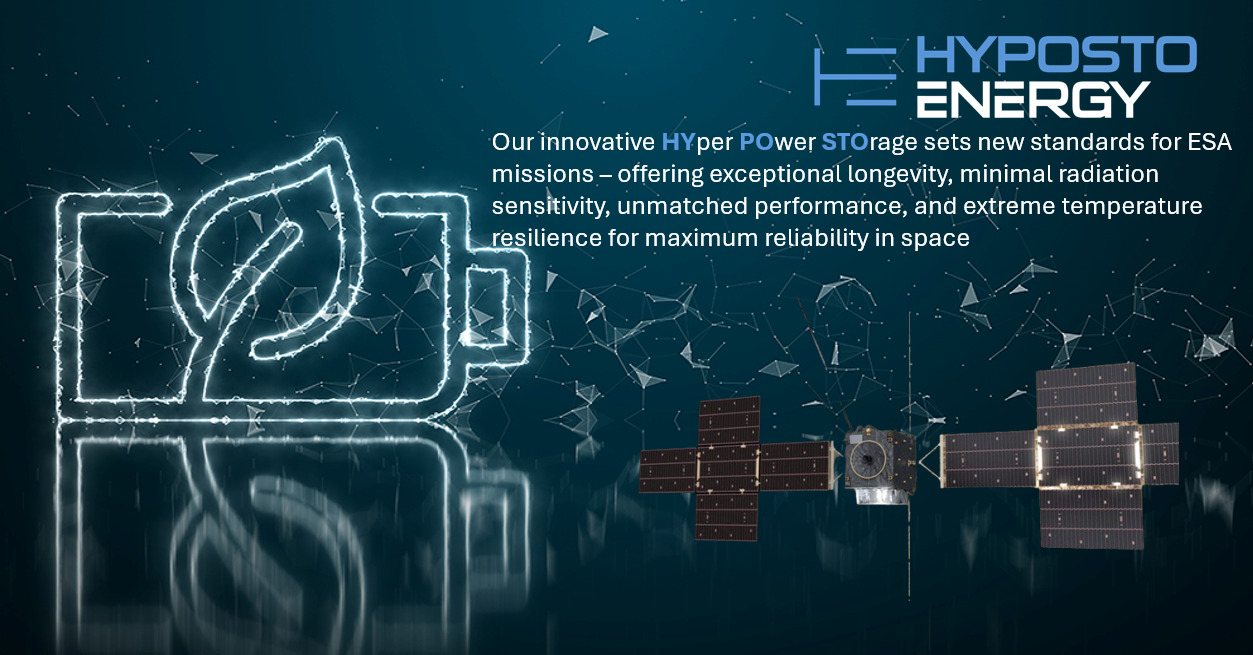
Hyposto Energy is developing lithium-titanium-oxide (LTO) batteries for the space industry, particularly satellite operators, space organisations, and private companies, to optimise the power supply of satellites and enhance their lifespan and cost efficiency. LTO batteries offer high cycle life, radiation resistance, and temperature tolerance, making them ideal for space applications. Additionally, they allow for the integration of solar energy and serve as an uninterruptible power supply (UPS), allowing critical systems to be continuously powered.
The technology could also be applied to spin-off applications in renewable energy and PV home storage on Earth.
Benefits:
LTO batteries offer up to 25,000 charge cycles (five to ten times longer than lithium-ion batteries) to ensure longer durability, which is crucial for the long-term operation of space systems.
Radiation-resistance, making LTO batteries ideal for space, where radiation can shorten the lifespan of electronics.
Wide temperature tolerance of -40°C to +70°C and robustness against extreme vibrations, ensuring reliability in harsh environments.
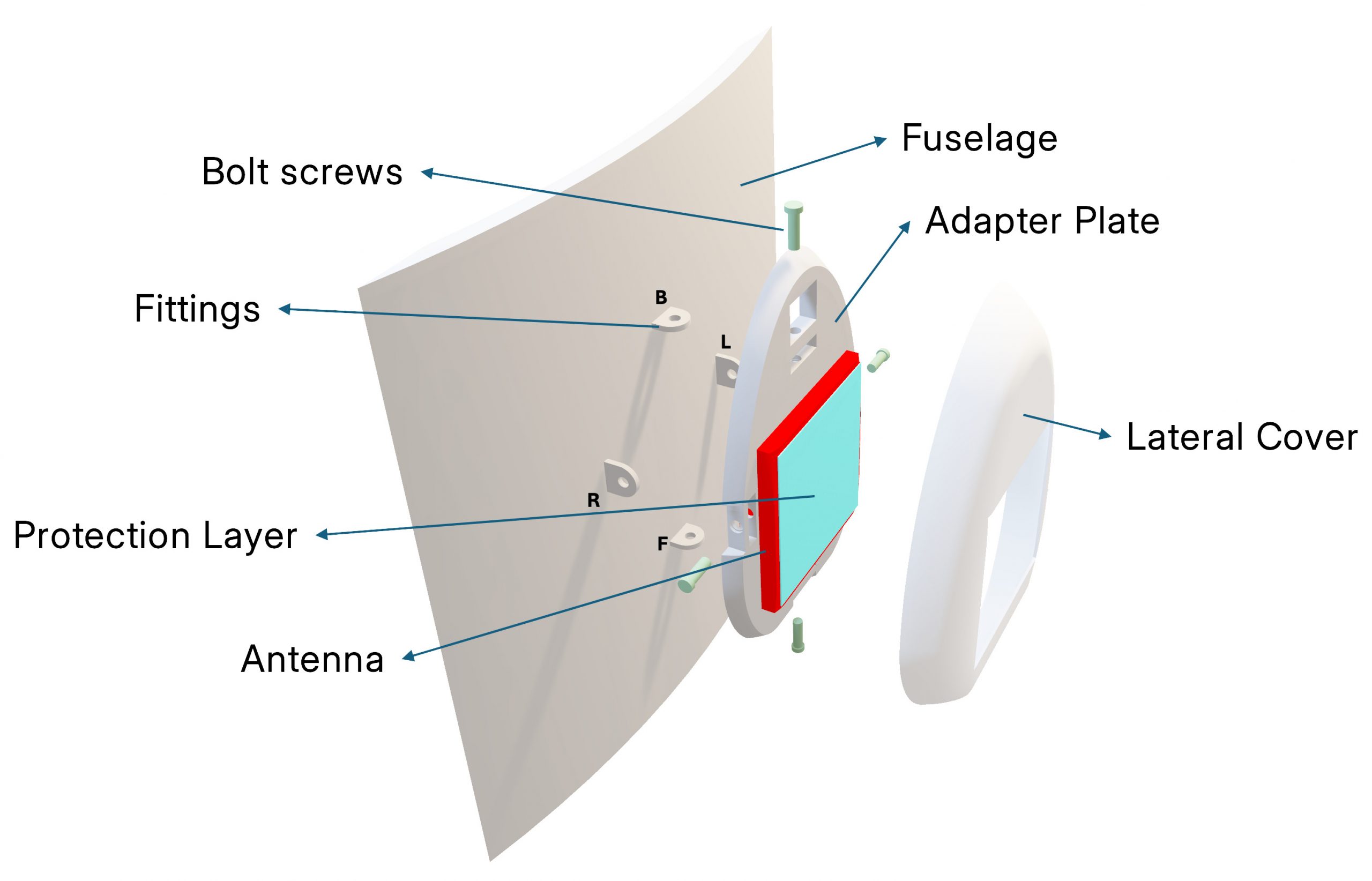
The market of In-Flight Connectivity (IFC) is growing quickly because it enables aeroplanes to provide an internet connection so that passengers can go online during the flight. The key component of an IFC satcom terminal is the antenna. It has to be installed on the top of the airplane fuselage, following clear aeronautical requirements. The design also has to be flexible because service providers have very heterogeneous needs.
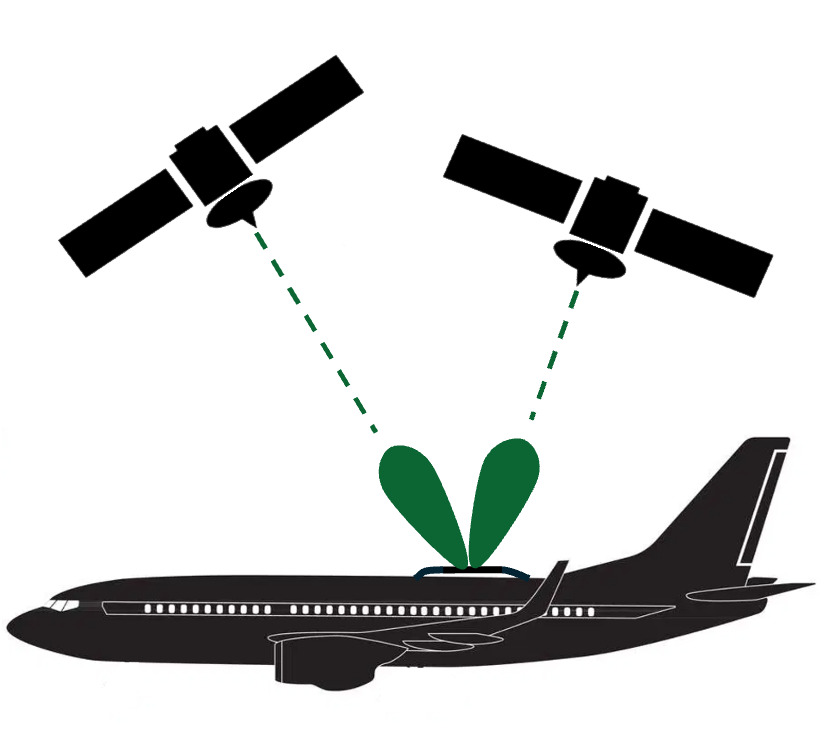
The aim of this project is to design an aeronautical antenna for all IFC providers and for all types of airplanes (from airlines to business jet), for a new high-performance type of in-flight connectivity: the Augusta Space Interlaced antenna (Aspire). This antenna can be installed on any type of airplane and flexibly operate with different satellite providers to always have the best service. It is the first exclusive and smallest, real multi-beam, multi-frequency, and multi-orbit antenna on the market, and could also be used on small satellites or for other satcom terminals (e.g. automotive, IoT).
Benefits:
The ASPIRE antenna is flat, electronically steered, and has an efficiency beyond state of the art.
Modular and flexible design and offers different degrees of trade-off between complexity and performance.
Supports 2 parallel beams (thus providing higher throughputs than existing antennas on the market), and can operate them in Ku-band and/or in Ka-band.
Effortless ECSS Compliance – Automating software development documentation in the space industry
The growing complexity of space applications, such as launchers, satellites, kick stages and payloads, poses an immense challenge to developers in terms of software qualification. Qualification requires developers to spend considerable time on reporting tasks and creating complex, fully traceable documentation manually. This takes valuable time away from coding and advancing development, driving up the costs of mission-critical software.
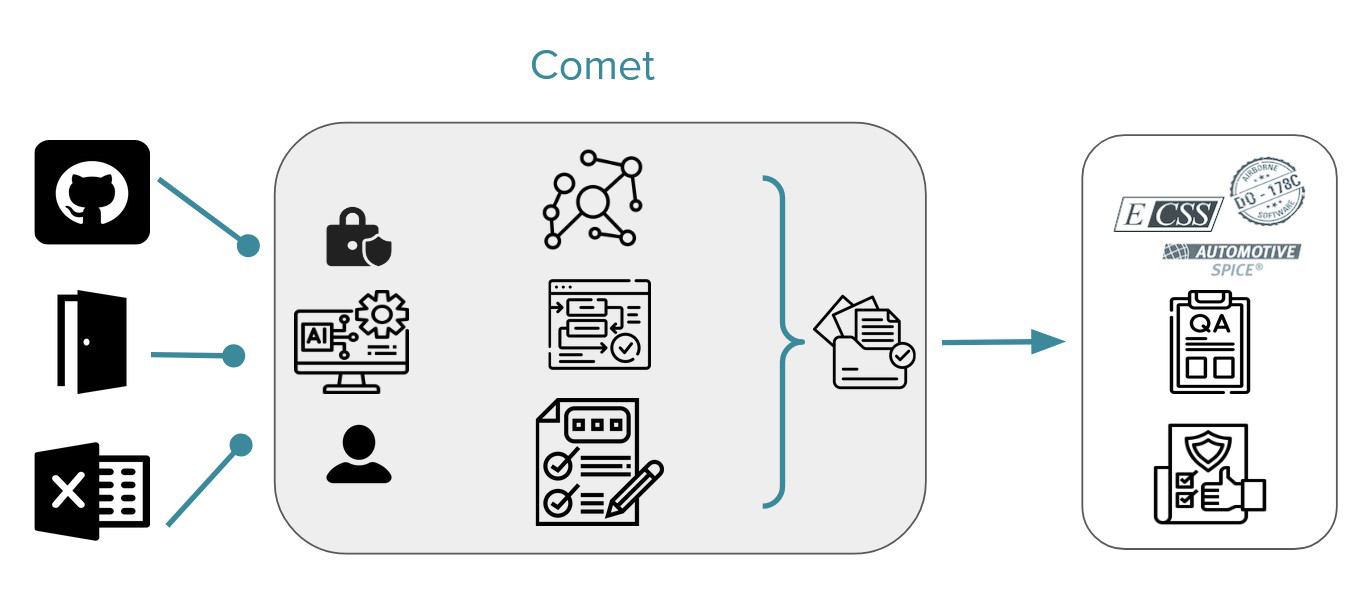
Astra Labs offers a toolkit powered by human-centered AI that is specifically tailored to automate the time-consuming tasks required by ECSS standards. The toolkit reduces defects and errors in the resulting software and artefacts by enabling developers to focus on critical coding tasks instead of mentally exhausting manual documentation work. The tool also maintains up-to-date documentation for developers and quality assurance teams to review, and flags potential inconsistencies and errors.
Benefits:
Automates ECSS software qualification activities by leveraging human-centered AI solutions.
Improves developer productivity, documentation consistency and life cycle quality.
Plugs into existing software development processes.
Aggregates the vast amounts of data generated by these processes, including requirements, test cases, reviews, source code and test results.
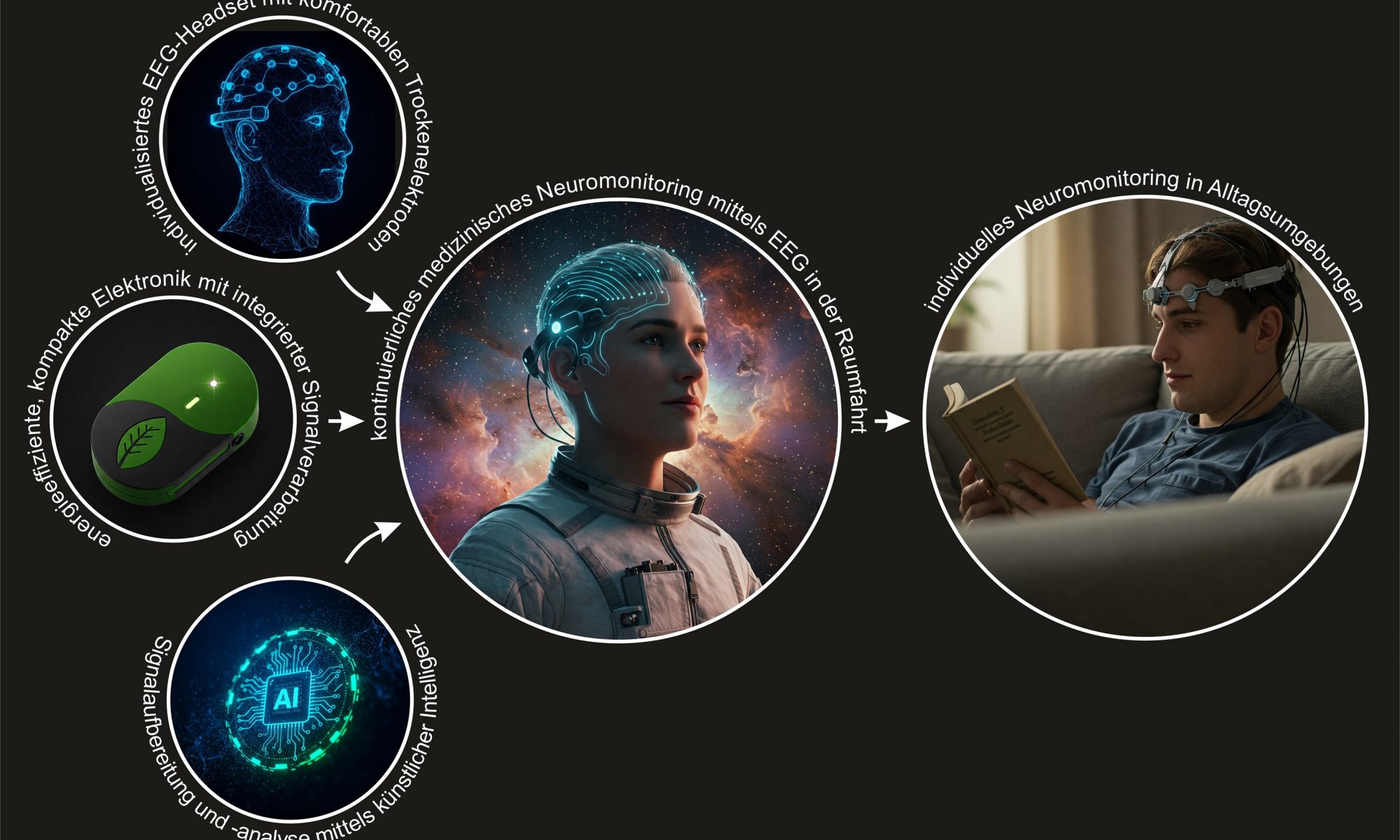
Individualised mobile dry EEG for health monitoring
Space travel negatively impacts the mental and cognitive performance of astronauts. These effects increase with mission duration and pose a risk to both the astronauts and the mission’s safety, particularly for long-term missions to the Moon or Mars.
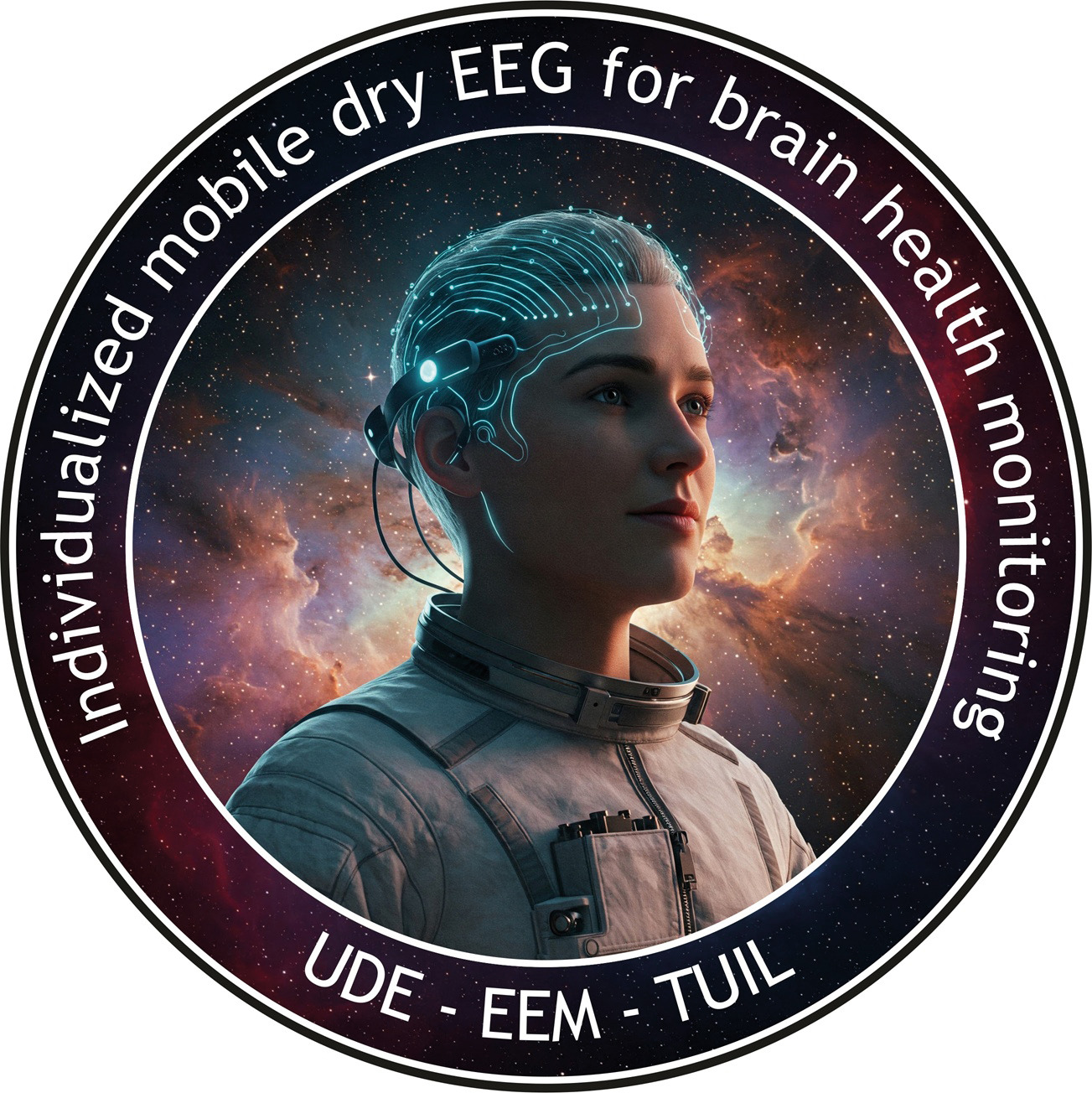
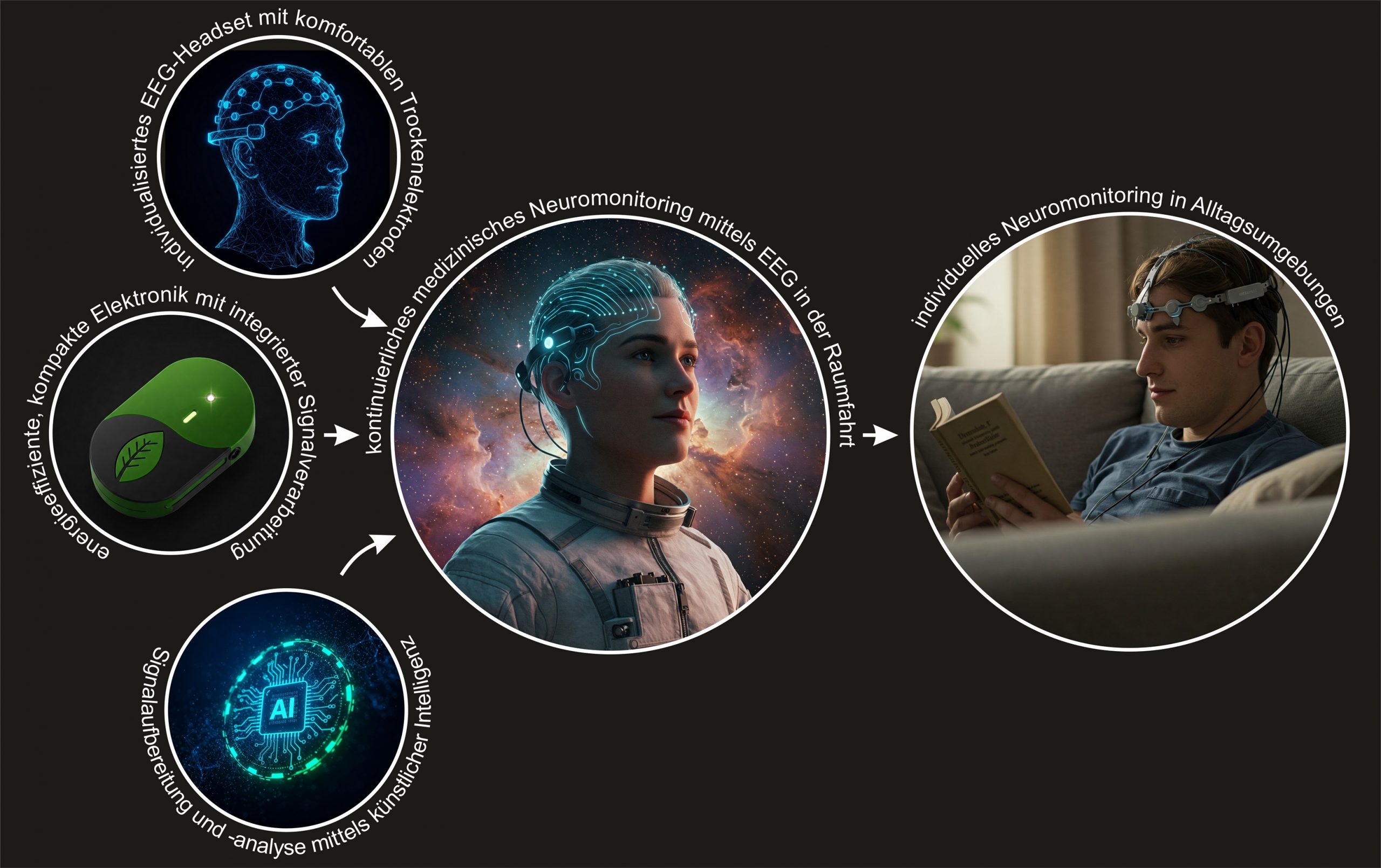
The eemagine Medical Imaging Solution consortium is developing an easy-to-use, non-invasive dry EEG system supported by artificial intelligence (AI) for use outside the laboratory. This system is crucial for space travel as it significantly contributes to the health of astronauts by helping to avoid physical or mental overload, thereby reducing the risk of accidents and illness.
This EEG system has many potential applications here on Earth too, including in medical prevention, rehabilitation and treatment at home, and many other areas.
Benefits:
The dry EEG system will enable wider use, reduce comfort limitations and significantly improve ease of use and signal quality, while providing direct user feedback.
Combines increased sensor reliability — similar to gel-based EEG — with ease of use and high user comfort (can be applied within 10 seconds) during repeated and long-term use at a reasonable cost.
Improves the applicability of AI-supported health monitoring.
eemagine Medical Imaging Solution GmbH, Universität Duisburg-Essen, TU Ilmenau Frank Zanow frank.zanow@eemagine.com
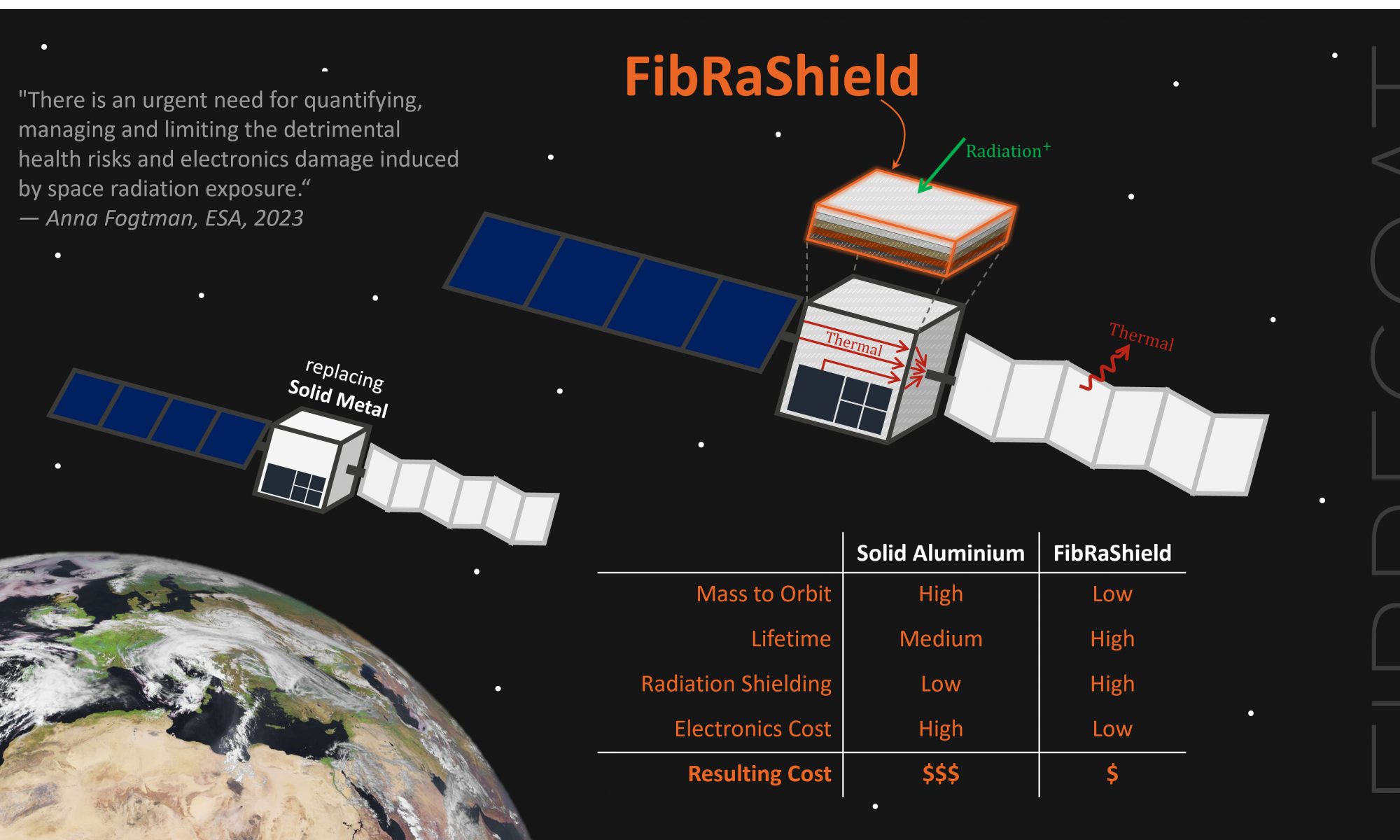
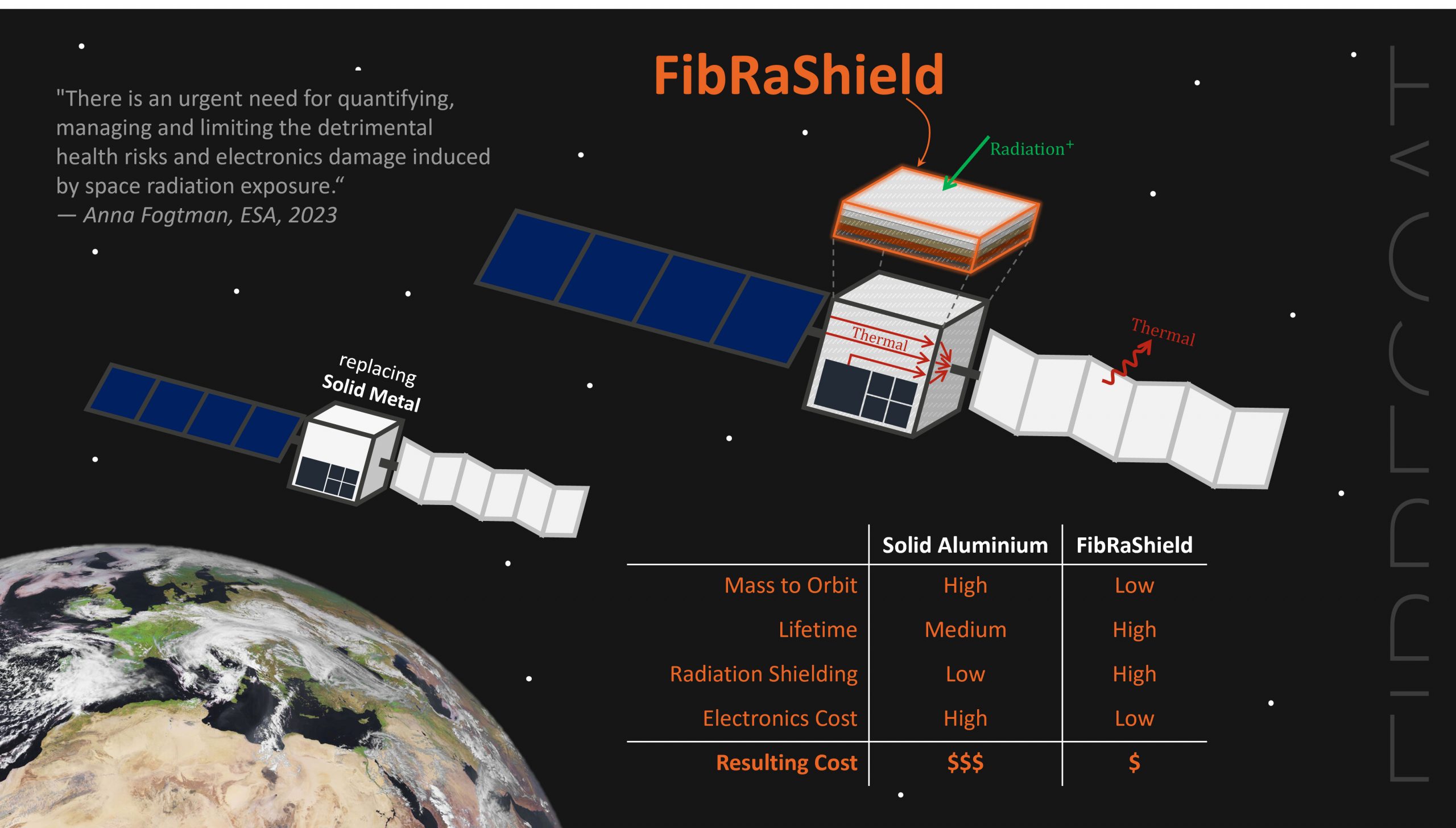
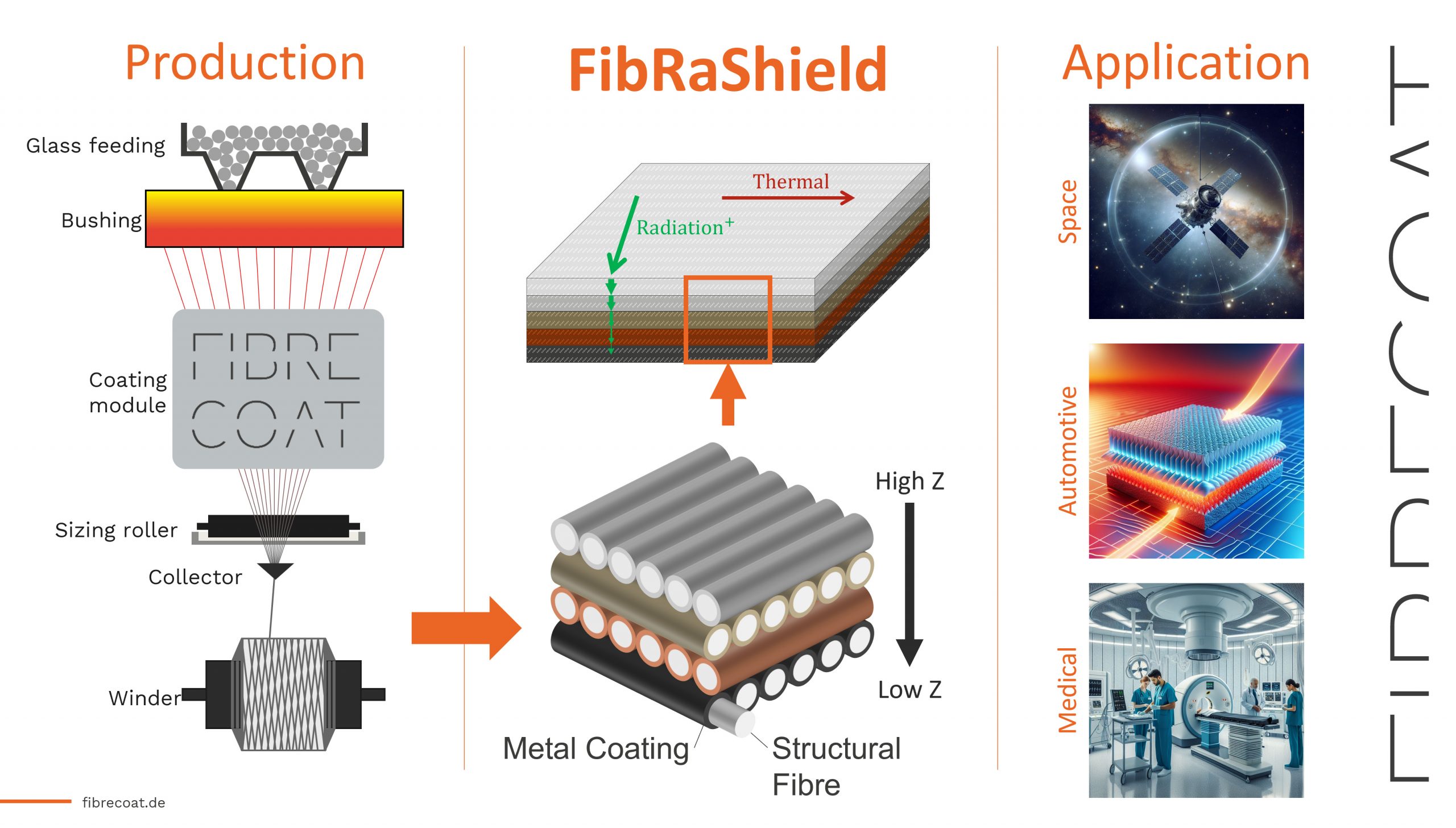
FibRaShield – Shielding humans and electronics from radiation in space
Radiation in space poses significant challenges for space missions. High-energy particles can damage electronic components and degrade materials, as well as increasing the risk of cancer for astronauts. Traditional solutions are costly and heavy.
FibRaShield’s innovative approach involves developing advanced materials using Fibrecoat technology, which coats metals onto fibres. These cutting-edge materials are designed to protect electronic components on satellites from harmful radiation, ensuring their durability and optimal performance. With effective thermal management and minimised radiation impact, FibRaShield is paving the way for more reliable, long-lasting satellite systems and advancing technology for the automotive, defence, medical and energy markets, as well as for future space missions.
Benefits:
Up to 60% better protection for electronic components and astronauts compared to conventional aluminium shields.
Up to 30% weight reduction, which could reduce launch costs by up to $228 million per year.
Potential decrease in the number of spacecraft subsystems, leading to reduced complexity and faster testing and deployment.
EarthGaze – Small and ultralight spectroscopic camera for space applications
A large number of spaceborne and airborne monitoring missions are conducted to measure various parameters of the Earth’s surface using off-the-shelf optical components. However, these components are often bulky and require careful alignment and intricate assembly processes, limiting their functionality.
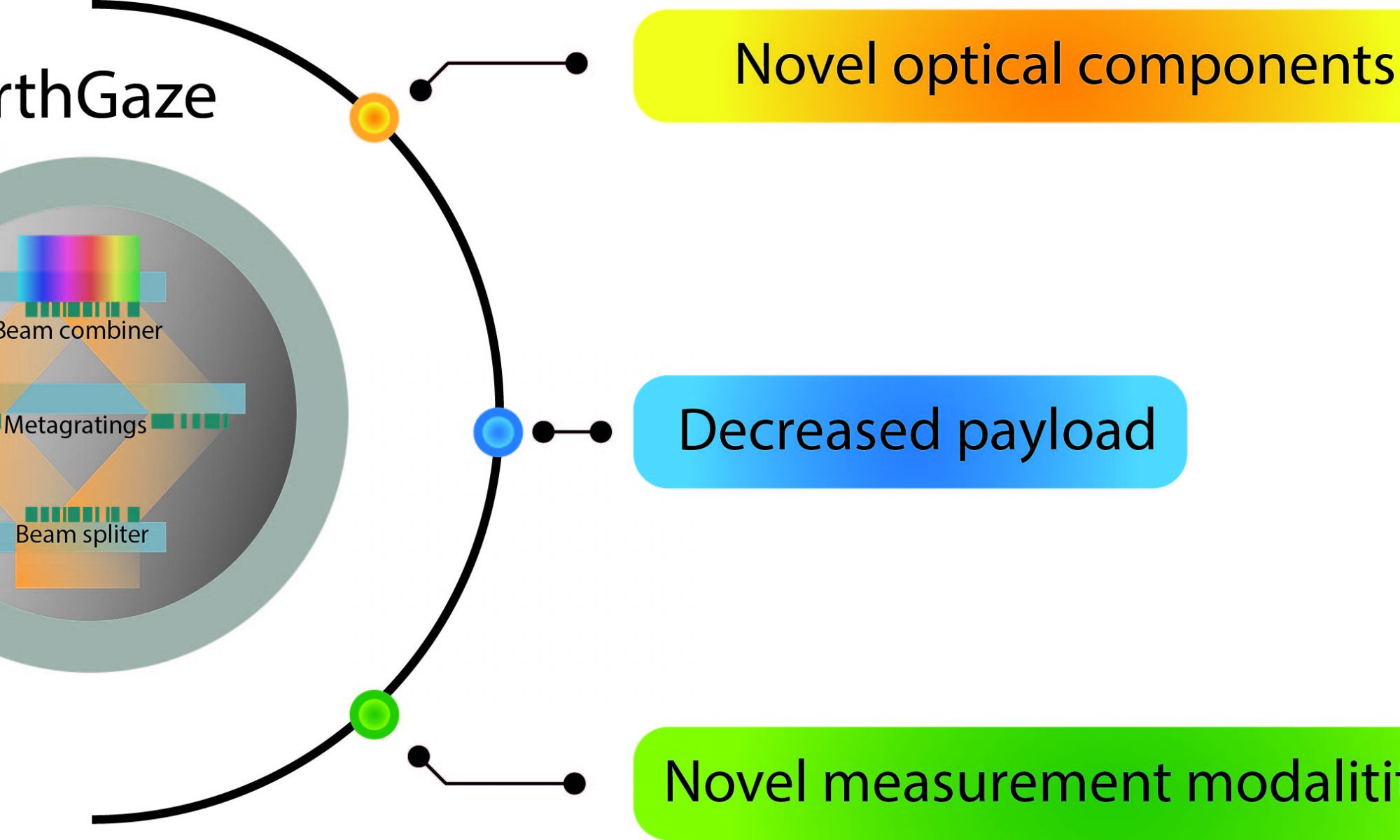
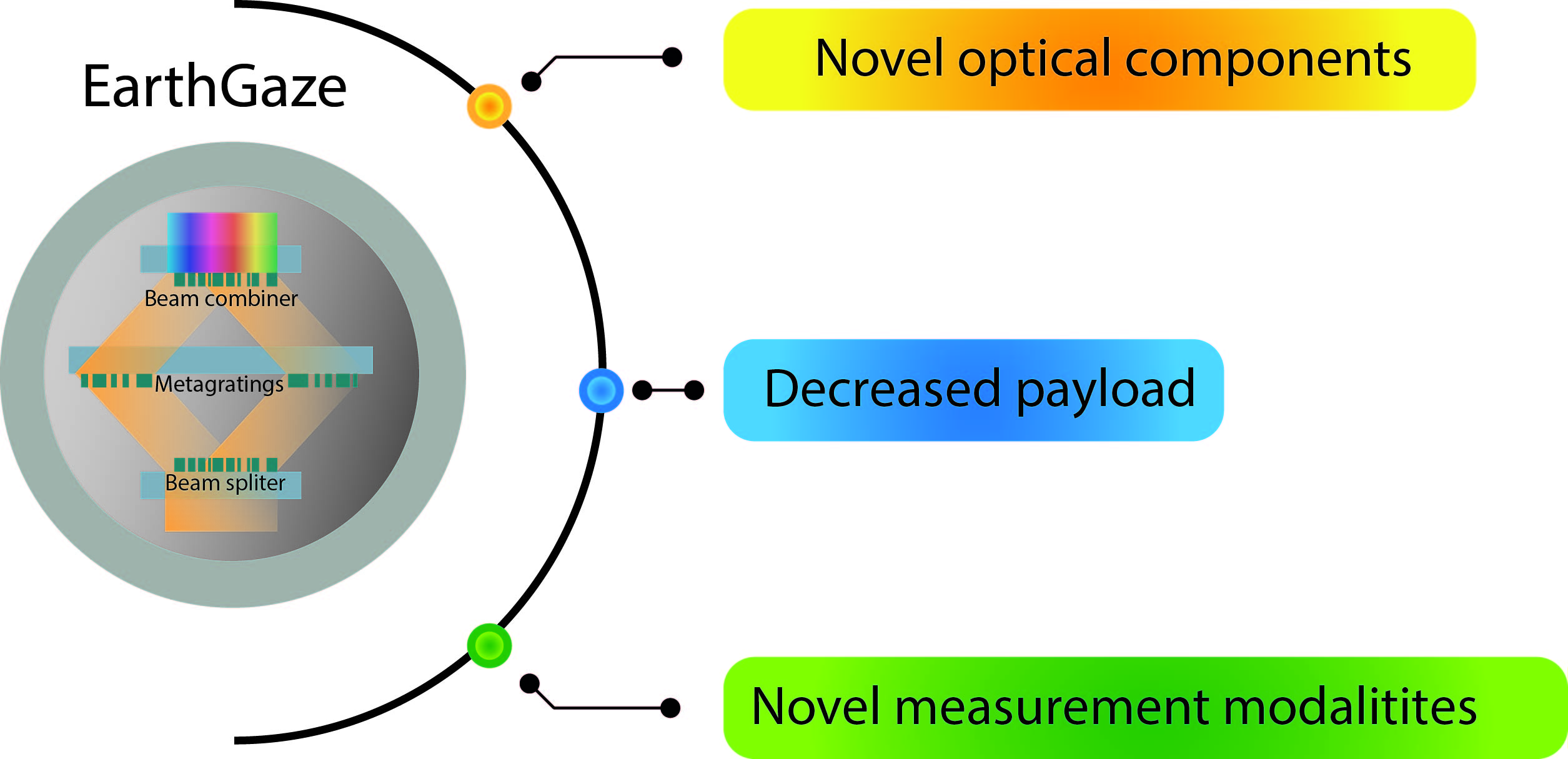
In the EarthGaze project, the Karlsruhe Institute of Technology is developing the EarthGaze metasurface optical system: a precise, ultralight, compact, affordable and multifunctional spectroscopic imaging camera based on emerging technology of metasurfaces. This remote sensing instrument will enable comprehensive characterisation of the Earth’s atmosphere while significantly reducing the cost and effort of deploying remote sensing instruments, making it particularly attractive for airborne and spaceborne applications.
Benefits:
Weight reduction for lower launch costs and increased payload capacity of earth observation satellites.
Enhanced optical performance increases the amount of data that can be collected by a single device.
A reduction in system complexity can lead to decreased manufacturing time and reduced maintenance needs.
Streamlined manufacturing and scalability can result in substantial cost savings and make advanced optical performance more accessible for research and commercial applications.
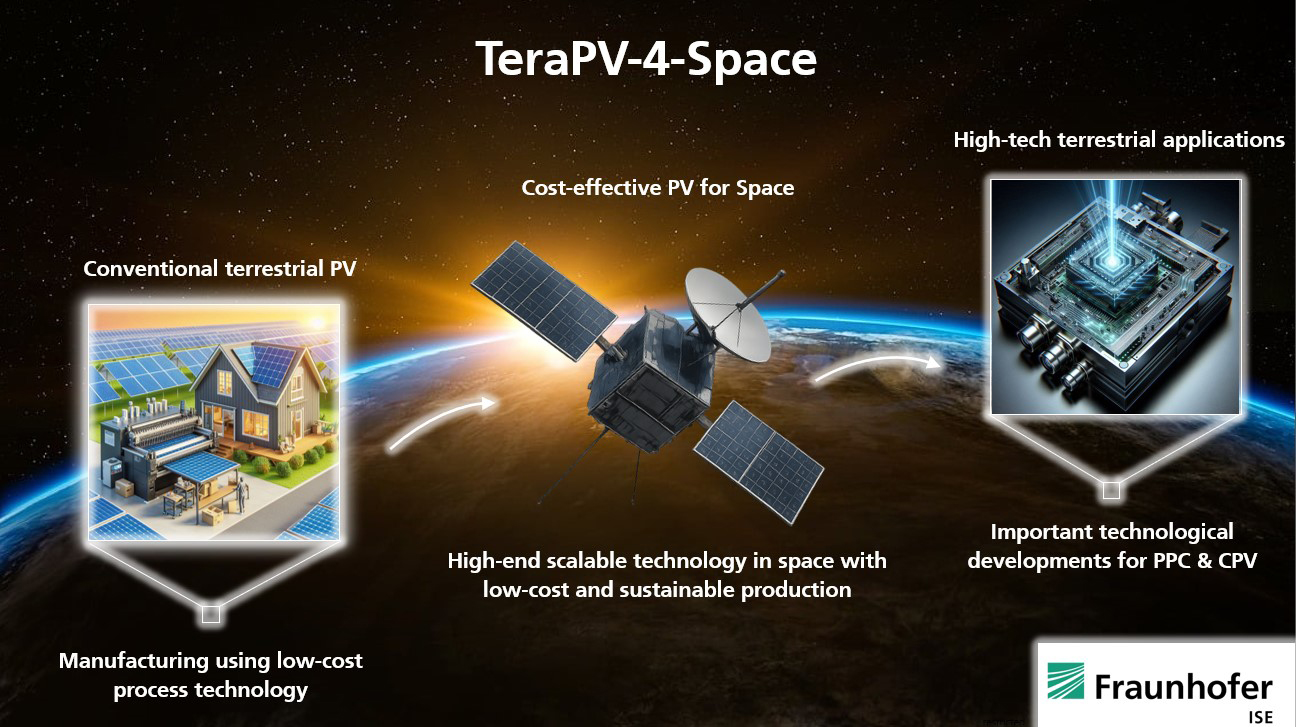
TeraPV-4-Space – Utilisation of terrestrial PV manufacturing technology for space applications
Solar energy is arguably the most important source of energy in space. It powers satellites, the International Space Station and rover missions by converting light into usable electricity. Space-bound solar cells are highly efficient and rely on well-established III-V semiconductor technology.
The TeraPV-4-Space project aims to transfer the low-cost process technology of terrestrial solar cells to III-V space solar cells, enabling the next generation of integrated energy systems in the growing space market. The project will dramatically reduce process complexity and costs by replacing all vacuum processes and photolithography, and will demonstrate the potential of high-efficiency, low-cost III-V solar cells. This process technology can generate significant developments for terrestrial applications such as photonic power converters and concentrating photovoltaics.
Benefits:
Drastic reduction of solar panel costs by eliminating vacuum and photolithographic steps within production process.
Increase of reliability and repeatability of the manufacturing process due to a simpler, streamlined process leading to process waste reduction.
Applicable not only to the space sector, but also to power converters, terrestrial solar energy and microelectronics here on Earth.