ivilion – Multifunctional structural cooling for EVs
Electric vehicles (EVs) face several key challenges, particularly high costs, long charging times, and limited range. Fast charging is critical to accelerating EV adoption, but it typically generates significant heat, which is often managed only through complex and costly immersion cooling systems.
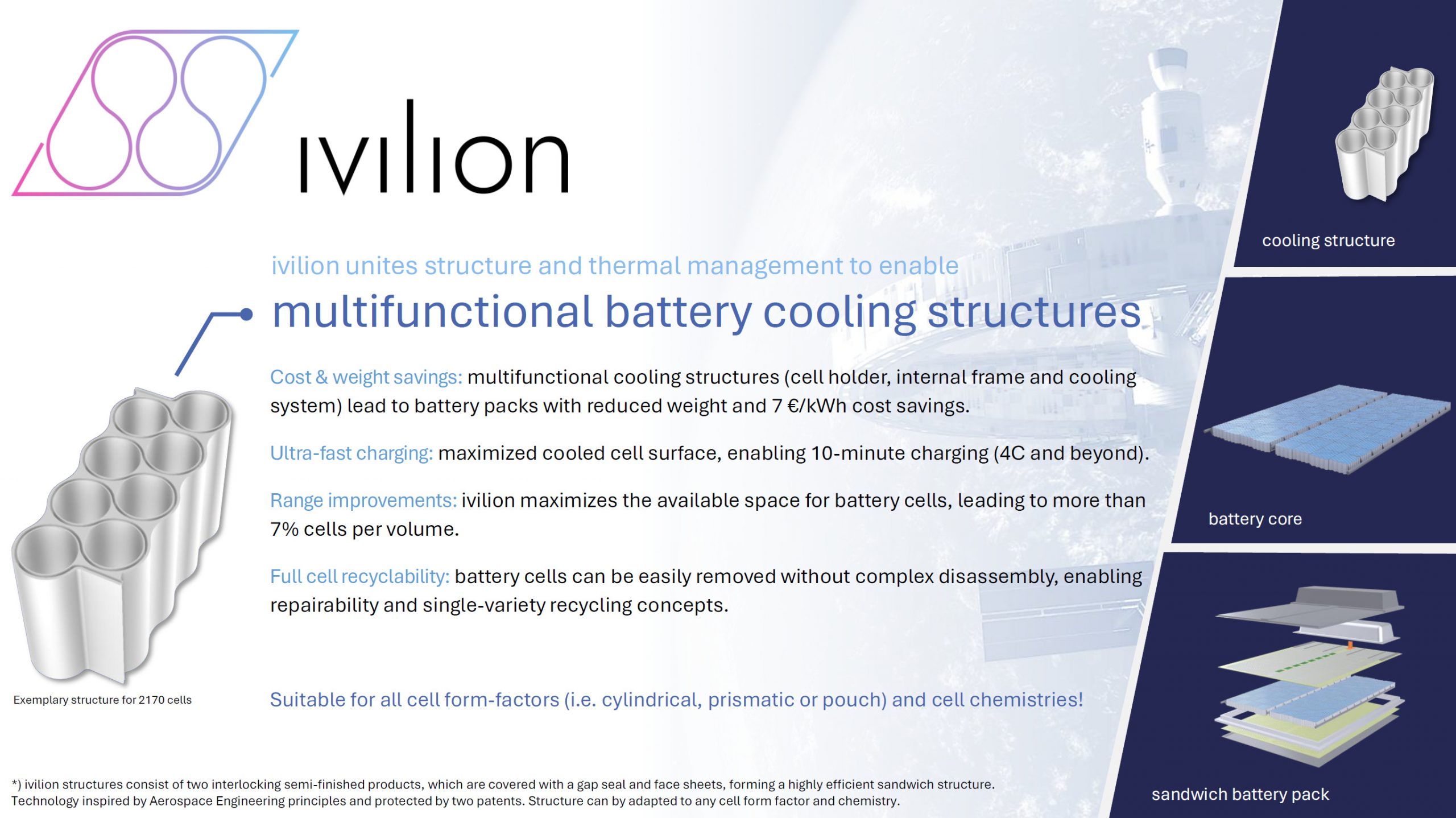
ivilion GmbH addresses this challenge with innovative battery cooling solutions and advanced battery pack designs for mobility applications. At the core of its technology is a multifunctional cooling structure that simultaneously acts as a cell holder, thermal management system, and structural element of the battery pack. These structures can be directly integrated into the battery, reducing the number of components and system complexity.
This multifunctionality enables cost savings of up to €7 per kWh and improves energy density at the pack level. Additionally, the significantly enlarged cooled surface area achieves cooling performance comparable to immersion systems, allowing for high C-rates during fast charging.
ivilion’s technology supports faster charging, longer driving ranges, and lower production costs—and is compatible with all cell formats and chemistries.
Benefits:
Cost and weight savings for battery packs through multifunctional cooling structures.
Improved range: ivilion maximises the available space for battery cells, resulting in more than 7% cells per volume.
Complete recyclability of the cells: Battery cells can be easily removed without complicated disassembly, enabling repairability and single-origin recycling concepts.
From Space to Street – Transferring SAR to transform automotive sensing with realistic radar simulation
It has been used in space for decades – now it’s time for radar to come to the road. Synthetic Aperture Radar (SAR), the technology behind some of the most precise earth observation satellites, is finally making its way into the automotive world as a key technology that makes autonomous vehicles safe and reliable.
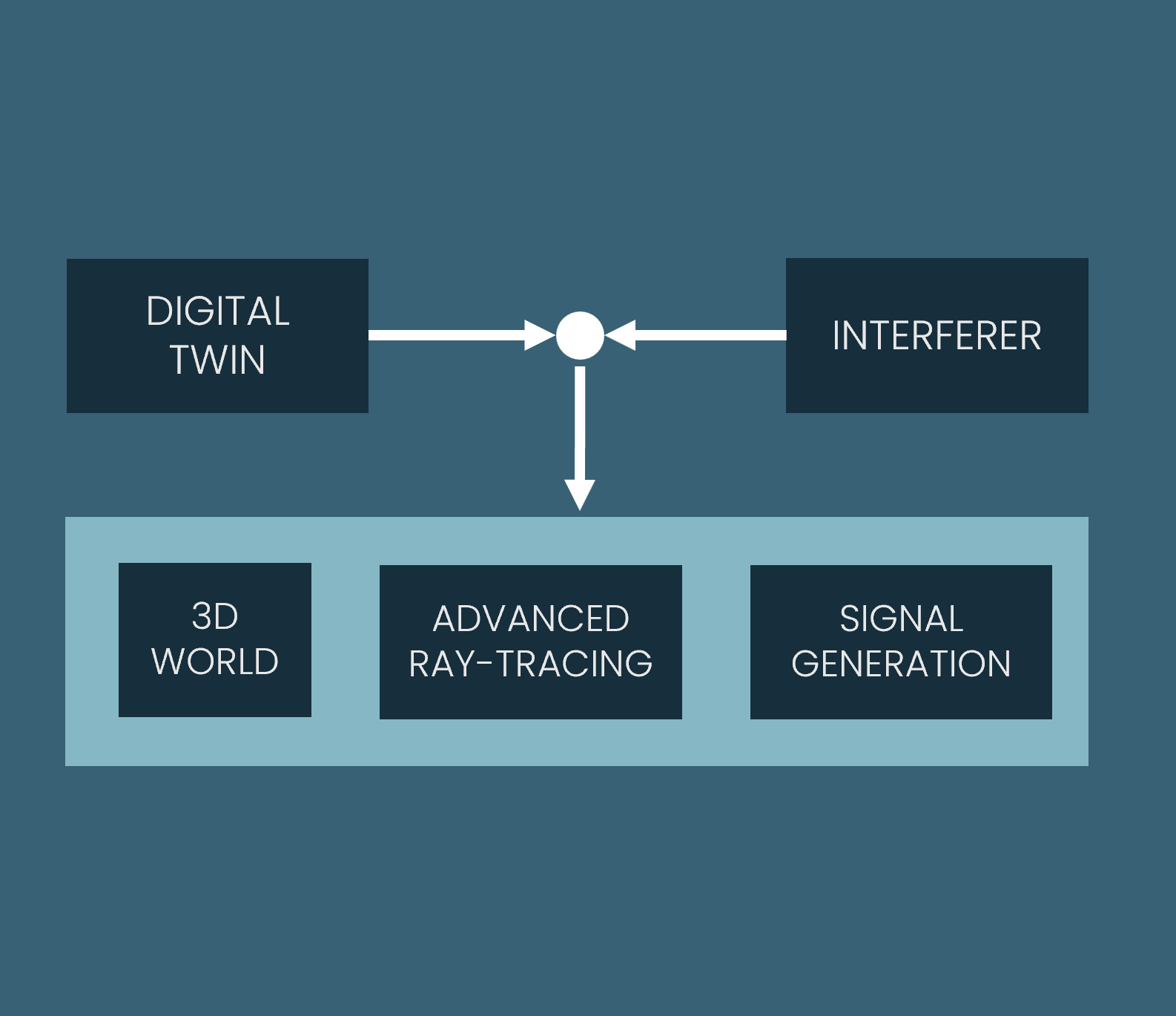
Today’s radar sensors in the automotive world still struggle with resolution and performance in complex environments. fiveD is changing this by bringing the power of SAR from space to the road. Using a purpose-built simulation platform, fiveD can virtually test how SAR-based radar can dramatically improve perception in challenging driving scenarios – such as complex urban environments or fast-moving motorways. This enables faster and more cost-effective development of next-generation radar systems without relying on expensive physical prototypes. This solution lays the foundation for smarter, more powerful radar – helping to unlock the future of safe and fully autonomous mobility.
Benefits:
By enabling physically accurate simulation early in the design process, users can explore and validate concepts before building hardware – leading to faster iteration cycles and significant cost savings.
Engineers benefit from realistic modelling of wave-level radar effects, enabling them to develop better sensors, algorithms and perception systems.
Simulation enables scalable generation of different data sets for AI training and improves performance in edge cases without costly real-world data collection.
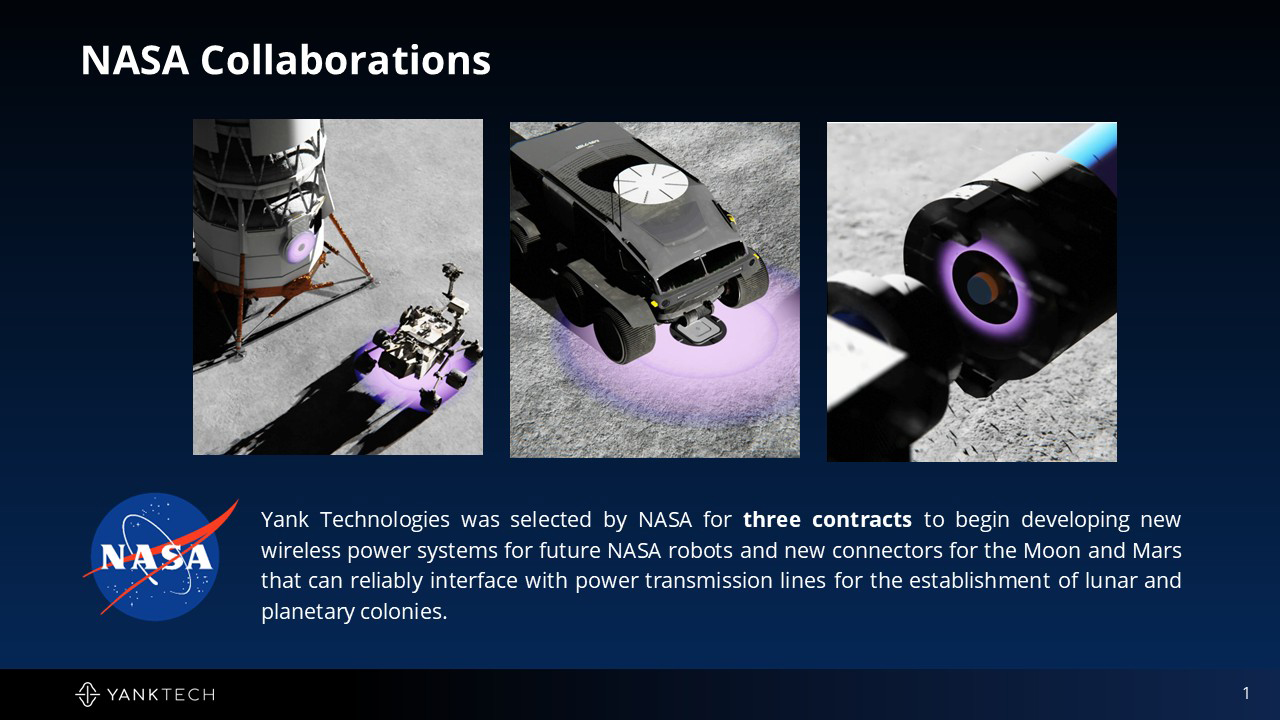
Harsh environmental conditions prevail on the surface of the moon, which are mainly due to the so-called regolith. Its insulating properties at the electrical interfaces of the rovers, such as the power connections, pose a significant risk for any mission. The wireless power supply can mitigate the problems of the electrical interfaces. However, current wireless charging systems are very sensitive to charging distance (less than 1 cm), have very low end-to-end efficiency, and rely on the use of robots to connect the rover to the charging station.
Yank Technologies solves these problems by using its Magnetic Resonant technology to deliver power over distances of up to half a metre, similar to WiFi but for power. This wireless charging system can operate efficiently in extreme misalignment and without robotic intervention, greatly improving operations on the lunar surface.
The technology can also be used in the automotive sector: Wireless power architectures can supply power to complete subsystems such as seats, doors, lighting and infotainment in vehicles, significantly reducing the wiring harness.
Benefits:
Wireless transmission technology using a patented Inductive Resonant technology capable of transmitting energy up to 0.50 metres through materials with high efficiency, without the limited distance, axial alignment, thermal rise and lack of efficiency inherent in conventional inductive solutions.
Efficient operation even with extreme misalignment and without the use of robots, significantly improving the operation of rovers on the lunar surface.
Direct power provision solutions for consumer electronics, industrial robots and automobiles.
Space missions generate ever-increasing amounts of data. As their complexity grows and telemetry volumes increase, ensuring the health of spacecraft becomes more challenging.
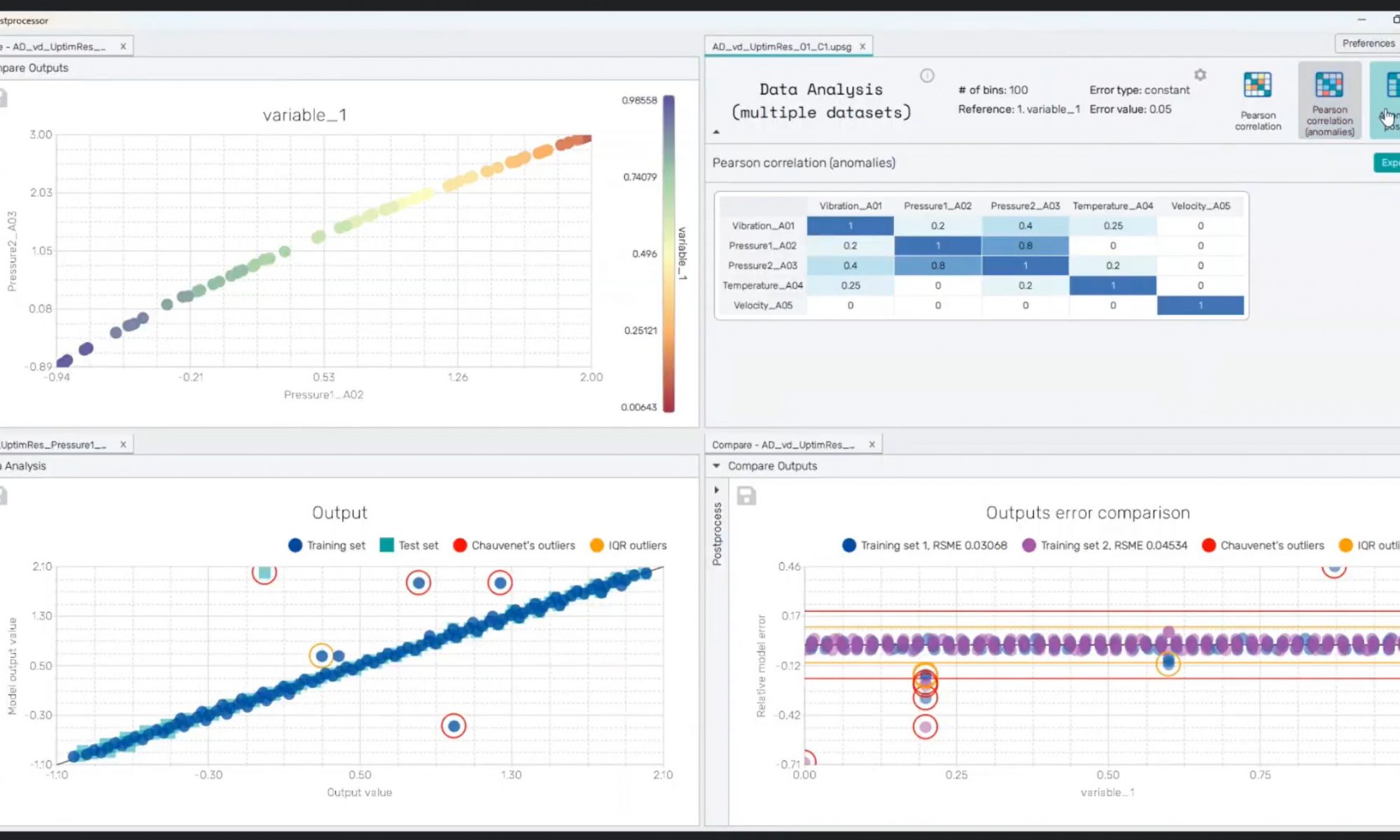
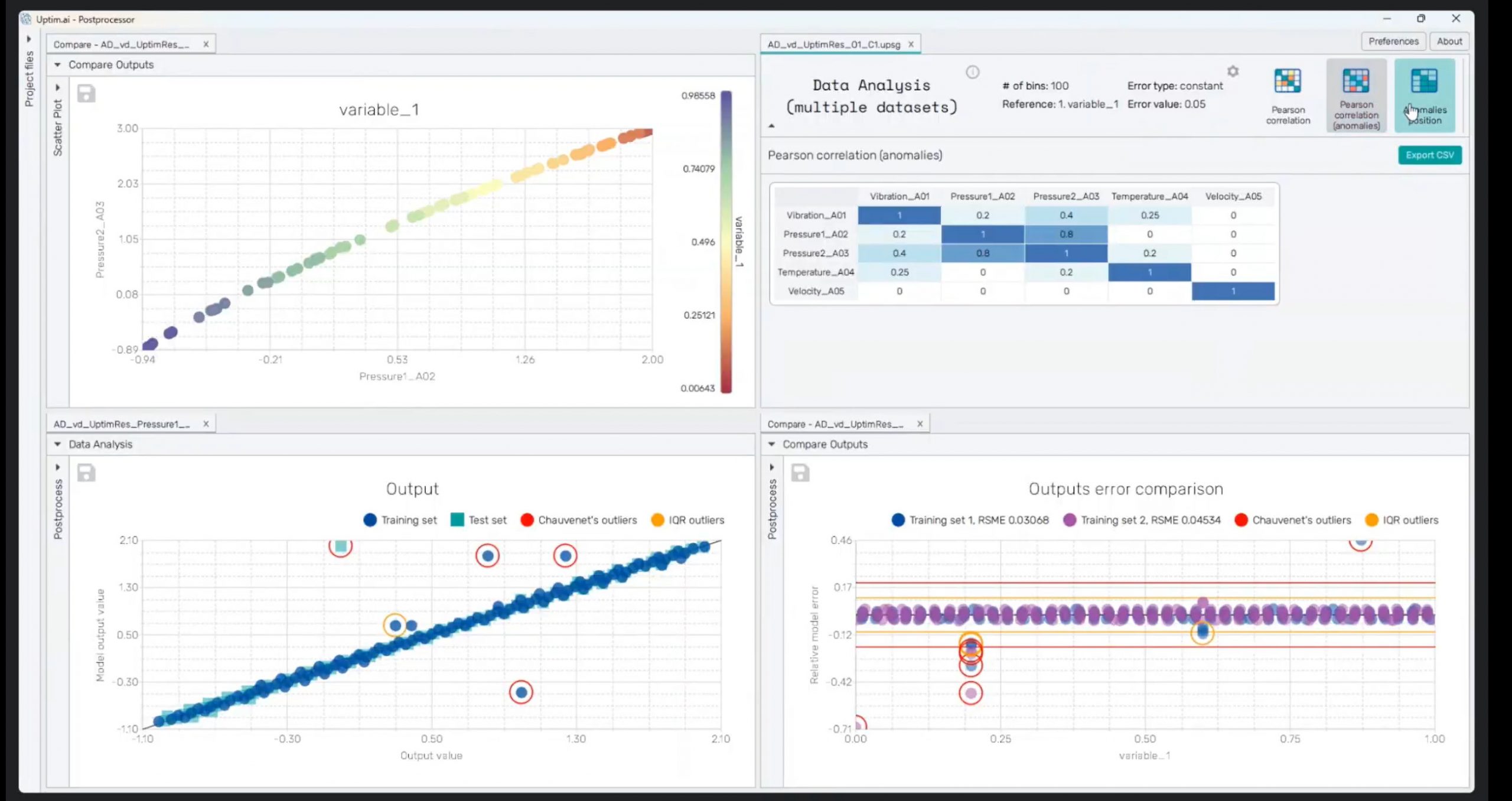
PADS is an advanced, AI-based system that automatically monitors and analyses spacecraft data in real time. This ensures higher anomaly classification accuracy and reduces false alarms. By automating anomaly detection, the system minimises the need for manual telemetry analysis, reduces operational costs and supports fleet-wide monitoring for scalable spacecraft diagnostics. It enables faster and more reliable decision-making, thereby improving mission success rates and operational efficiency.
Built on proven aerospace applications, PADS brings next-generation intelligence to satellite and launch operations, enabling smarter, safer and more efficient space missions.
Benefits:
This AI-powered anomaly detection solution enhances spacecraft reliability by predicting deviations before failures occur.
The system enables faster response times, improved data utilisation and unique insights into anomaly problematics.
Reduction of operational costs through the automatic processing of data.
Proactive, predictive model that addresses potential issues before they escalate.
SPAIDER SPACE aims to transform space operations. With its SPAIDER AI technology, the start-up is changing the way space missions are designed, managed and executed.
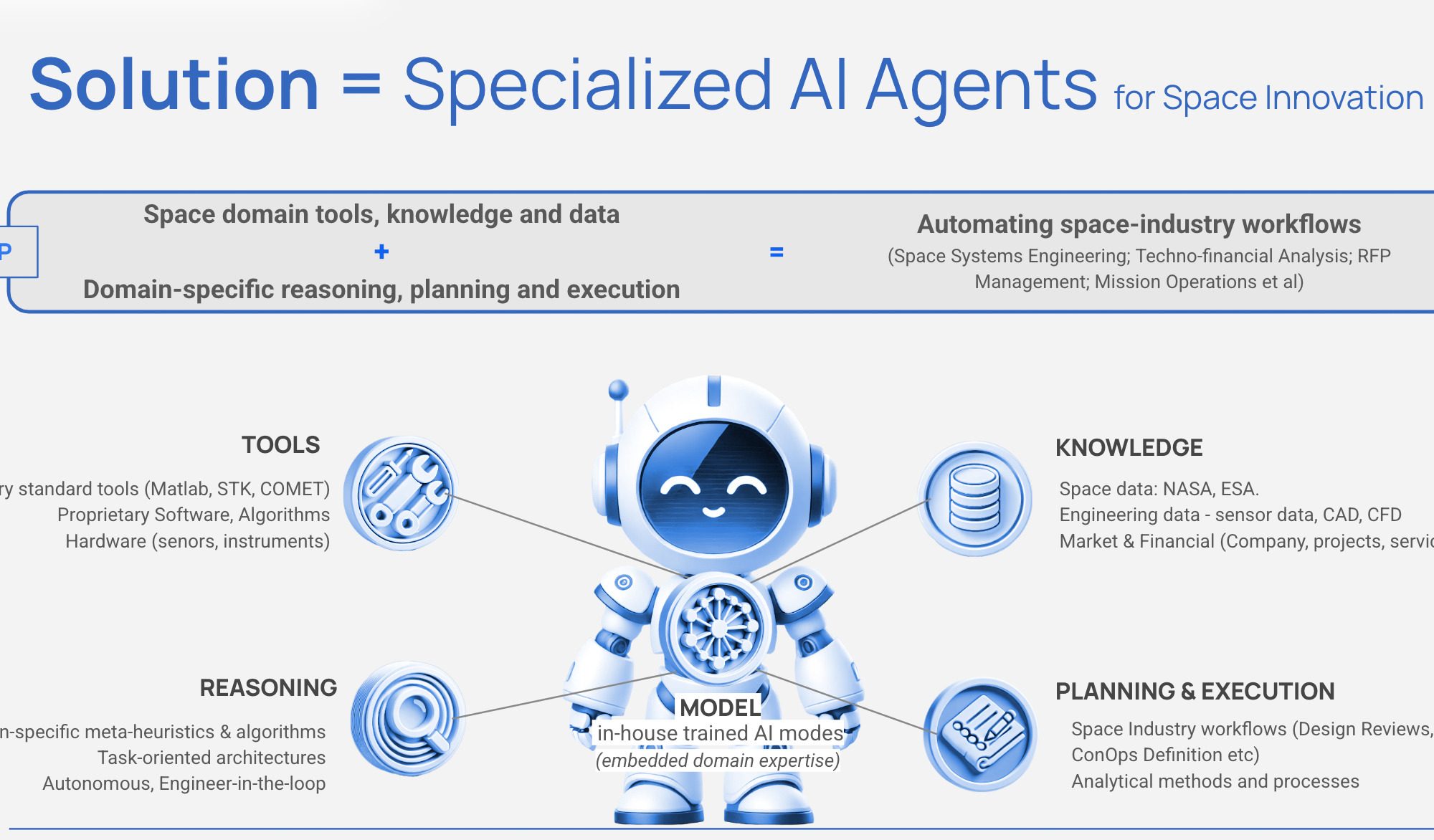
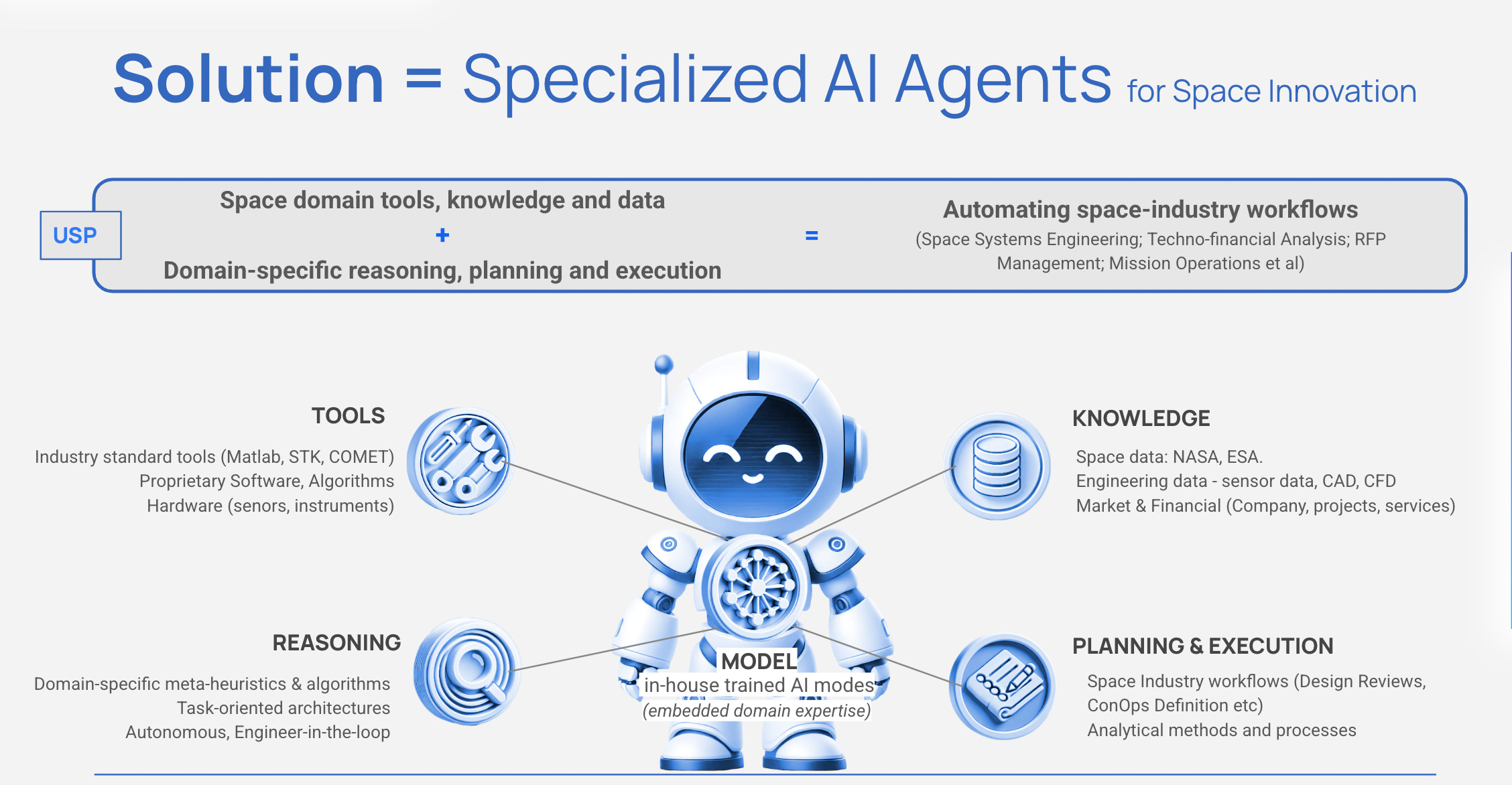
The autonomous AI agents used have been specifically developed for the aerospace industry, combining state-of-the-art artificial intelligence with in-depth aerospace expertise. These specialised agents automate complex technical and business workflows that would otherwise take up valuable time from space experts. From mission planning and satellite operations to proposal development and compliance verification, SPAIDER AI takes on repetitive tasks, allowing space experts to focus on innovation. Unlike generic AI solutions, our agents understand space-specific terminology, tools, and constraints, and they integrate seamlessly with industry-standard software while preserving organisational knowledge.
SPAIDER AI represents the future of intelligent space operations, where human expertise is complemented by AI agents that work tirelessly alongside their human counterparts.
Benefits:
SPAIDER AI automates complex tasks freeing up engineers’ time to transform aerospace workflows.
For systems engineers: Agents automate requirements management, verification procedures and documentation, enabling you to focus on critical design decisions rather than paperwork.
For mission analysis experts: Agents handle repetitive trajectory calculations and analysis, accelerating planning and enabling the exploration of more design options.
For programme managers: Automated tracking, reporting and proposal development reduce project timelines and improve resource allocation.
For operations teams: Continuous monitoring agents provide a faster response to orbital events and system issues.
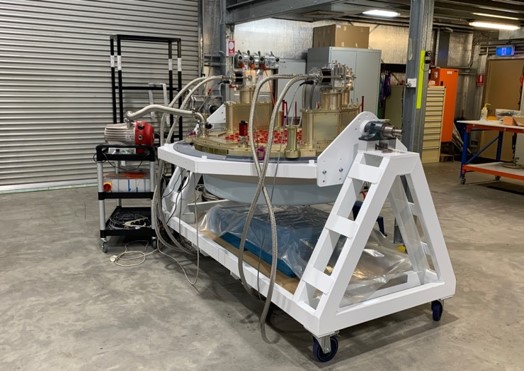
Parabolic Dish Killer – Dual use all sky RF digital phased array
Current satellite ground stations use mechanically gimbaled parabolic reflector antennas, also known as satellite dishes. These provide a single pencil beam, enabling communication with only one satellite at a time, and require electronic motors to steer the dish to face and track the target satellite in the sky.
Quasar’s ground station is the world’s first true digital multibeam phased array with unique all-sky capability. Its ground station supports dozens of beams simultaneously for both SATCOM and SDA missions from a single compact aperture. One array has the equivalent capacity of at least five separate 5 m parabolic dishes from a single sensor. This significantly reduces operating expenses and provides additional functionality to improve the performance of space-to-earth links.
Benefits:
Satcom bottlenecks are reduced, with no loss of passes when LEO satellites fly in swarms.
New Space Domain Awarenes insights, including the ability to detect, fingerprint and track unknown objects anywhere in the sky. Providing a comprehensive database of RF emissions at high granularity Pattern-of-Life processing provides actionable alerts for discovered anomalies.
Spectrum monitoring identifies jamming, illegal transmissions and grey zone activity.
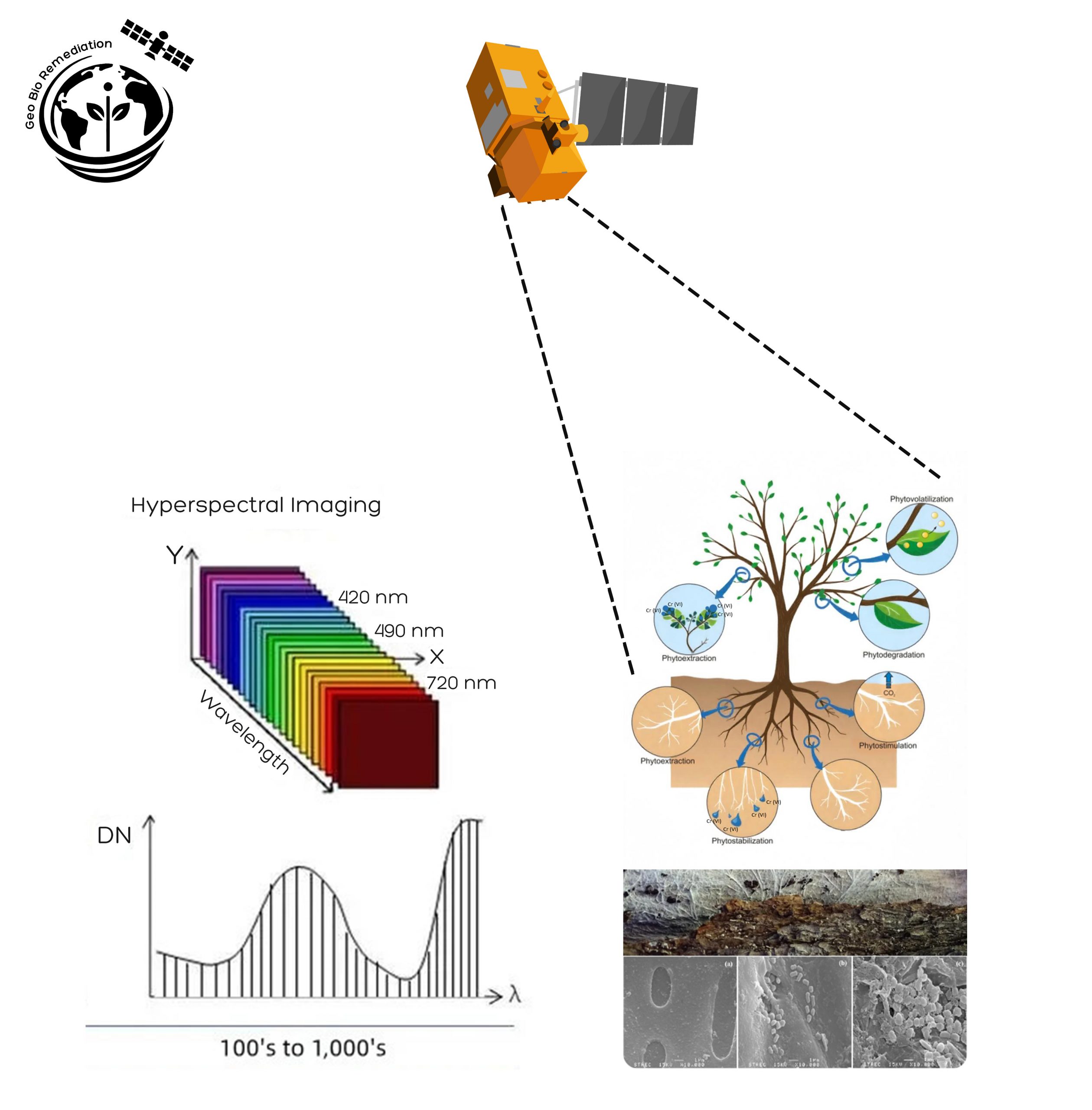
Heavy metal pollution from industries such as mining, electroplating and leather tanning affects millions of hectares of land around the world, threatening biodiversity and human health.
GeoBioRemediation is an innovative solution that uses space technology and AI-driven analytics alongside bioremediation techniques to tackle heavy metal pollution in soil and water. By using Sentinel-2, EnMAP hyperspectral imaging, and IoT sensors, it enables real-time monitoring of contamination and provides predictive insights, thereby empowering industries, municipalities, and policymakers to take action. The project offers a cost-effective, scalable, and sustainable alternative to traditional remediation methods by integrating biochar-bacteria reactive zones and phytoremediation. Its applications span the mining, manufacturing, agricultural, and biodiversity conservation sectors, supporting global environmental and climate resilience efforts.
Benefits:
Cost savings: Reduces site survey and remediation costs by up to 70%.
Faster detection: Contamination is detected in days instead of months.
Automated monitoring: AI-powered continuous surveillance eliminates the need for expensive manual sampling.
Sustainable clean-up: Biochar-bacteria zones, phytoremediation and microbial bioremediation safely convert toxic Cr(VI) to Cr(III).
FlyPix AI – Democratising Earth observation for a sustainable future
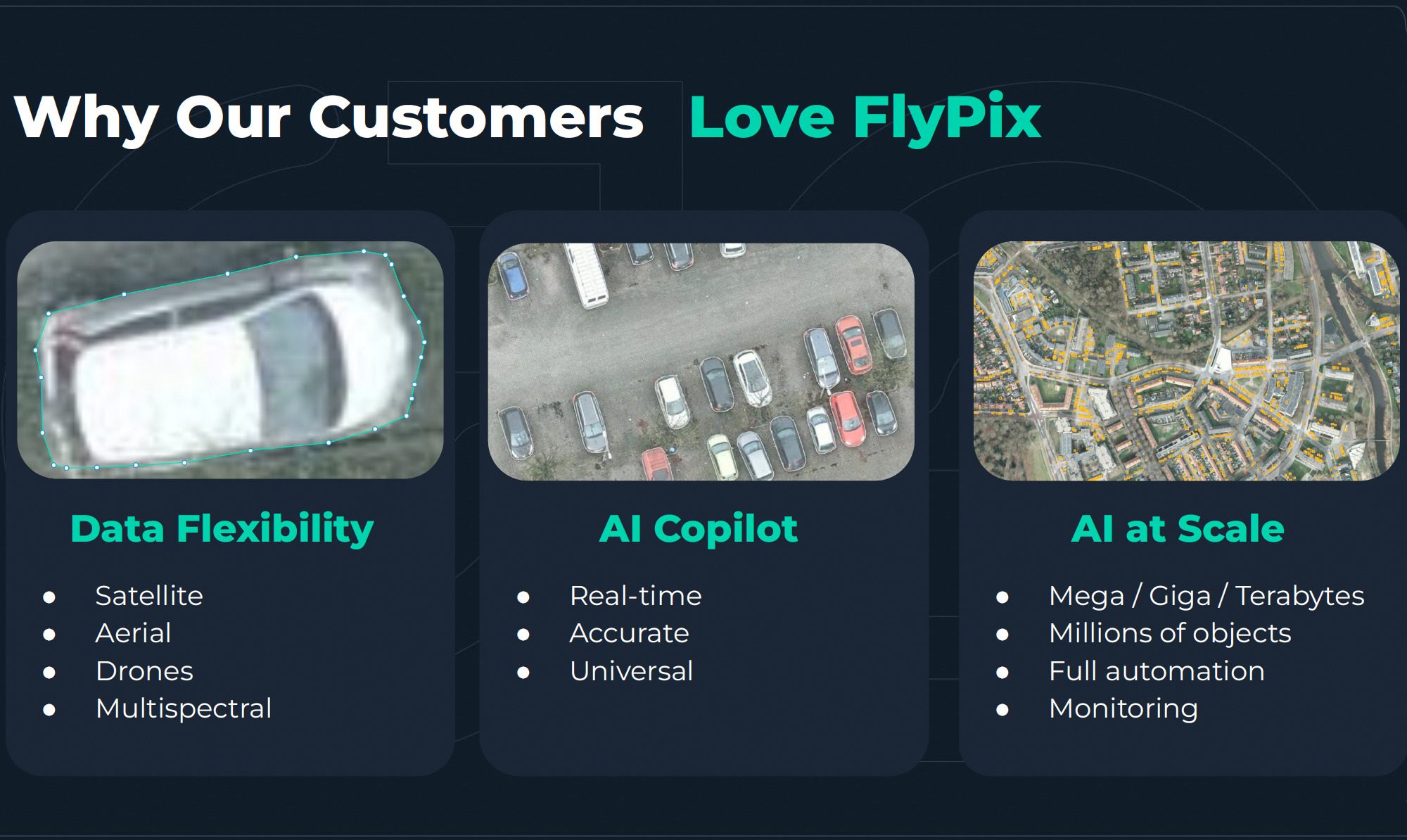
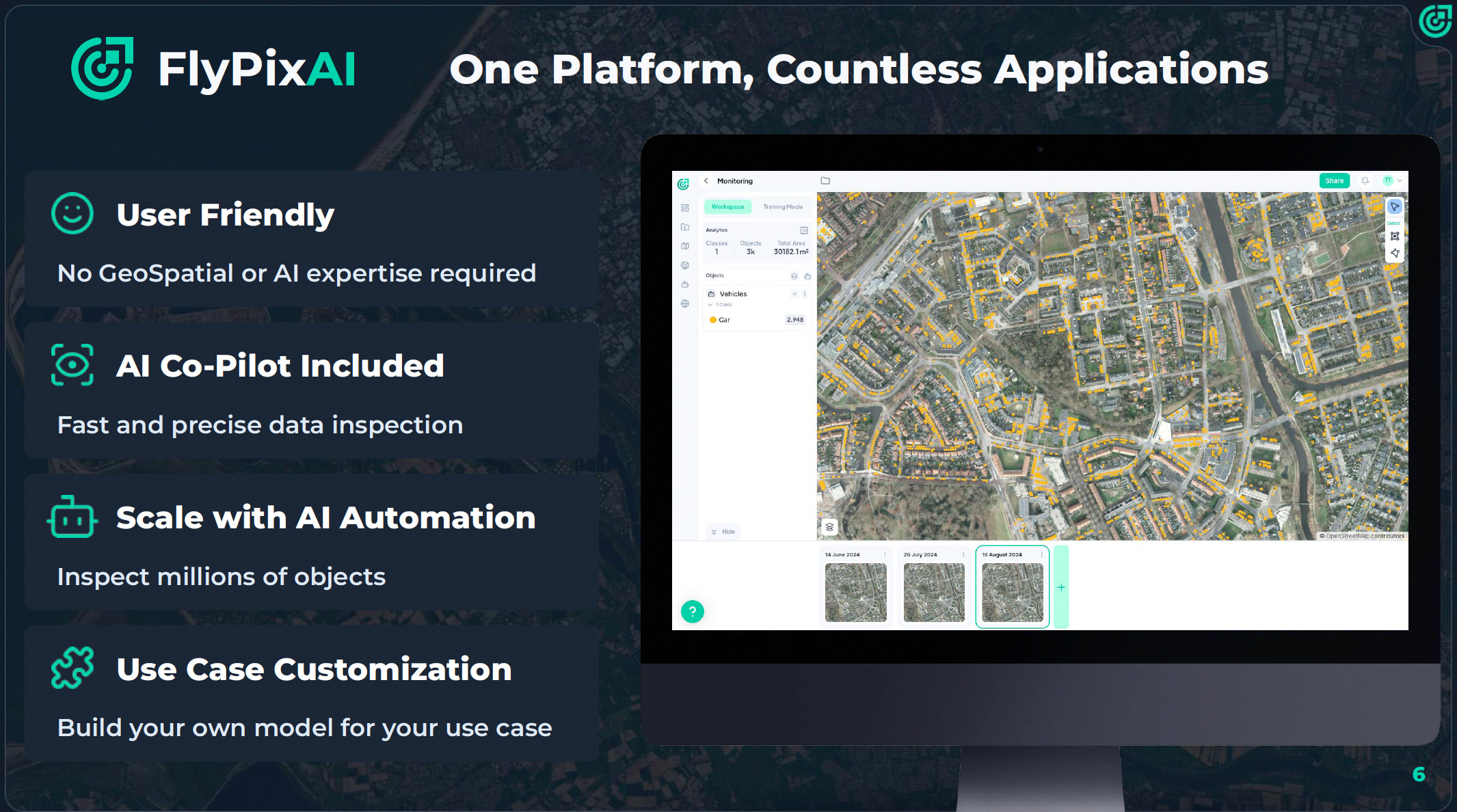
Efforts to promote sustainability are hindered by the difficulty of translating Earth Observation (EO) data into actionable insights. Monitoring environmental issues such as illegal waste disposal, deforestation, tree health and land degradation requires specialised AI models, technical expertise and costly manual annotation. This renders EO analytics inaccessible to many municipalities, NGOs and small organisations that urgently require scalable, affordable tools to address local and global sustainability challenges.
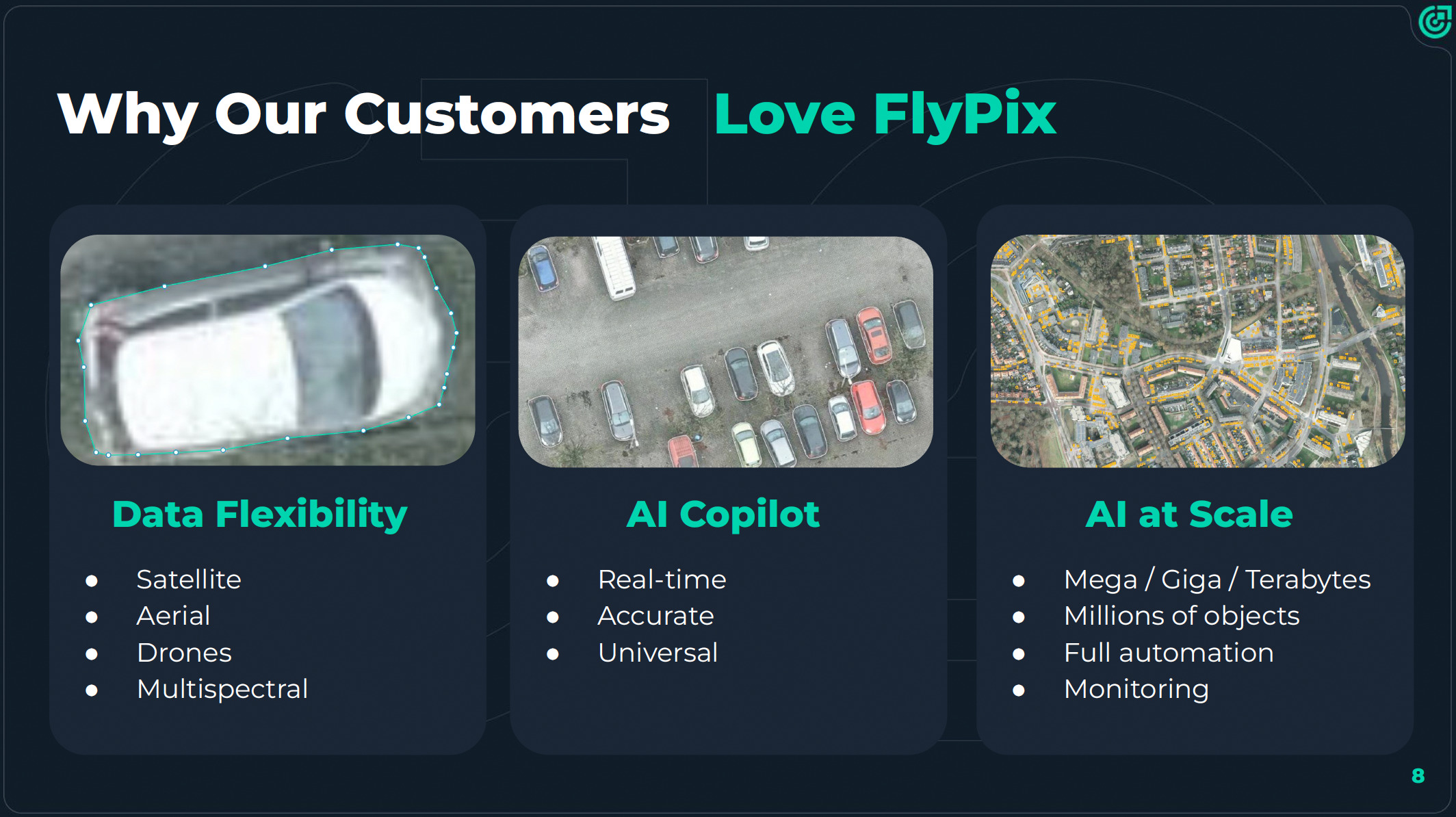
FlyPix AI overcomes the technical and financial barriers that have prevented most organisations from accessing AI-powered sustainability monitoring. The Software as a Service (SaaS) platform integrates seamlessly into diverse workflows and transforms complex satellite and drone data into clear, actionable insights — without any technical expertise required. Whether monitoring cities, forests or infrastructure, FlyPix AI provides businesses, municipalities and organisations of all sizes with access to advanced geospatial analytics at a fraction of the cost, empowering them to make smarter decisions faster.
Benefits:
Major cost and time savings: Users can create AI models with just a few annotations, reducing costs by up to 97% and analysis time by 95%.
No-code usability: The platform enables non-experts to detect rubbish, count trees or track land changes using a simple four-step workflow.
Scalable and versatile: From small areas to citywide zones.
Better decisions: Faster automated dashboards and visual outputs improve transparency and speed up sustainability-related decision-making.
Easy integration with APIs and web dashboards: FlyPix AI can be integrated into existing systems and workflows with minimal setup.
Space-driven remote audit solutions for sustainability
Climate change poses significant challenges to Europe, including an increased frequency of extreme weather events such as floods, heatwaves and droughts. These events threaten infrastructure, water resources and public health.
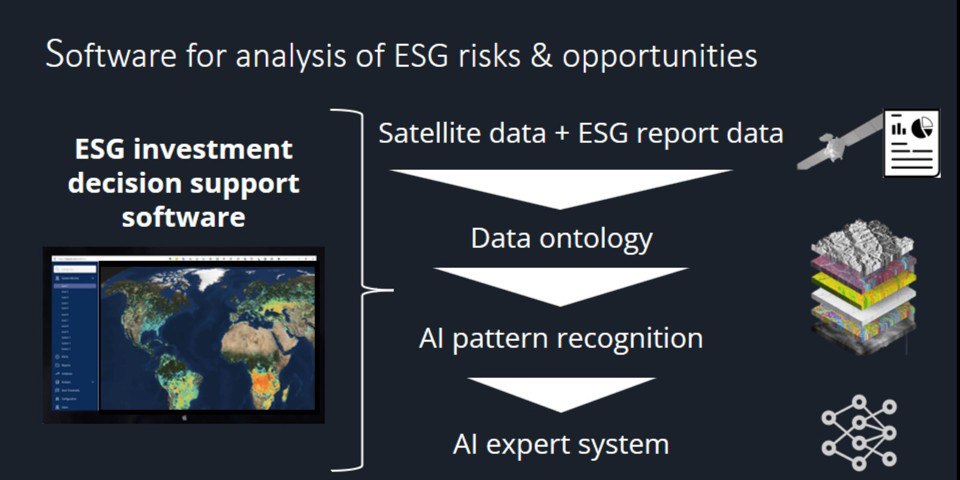
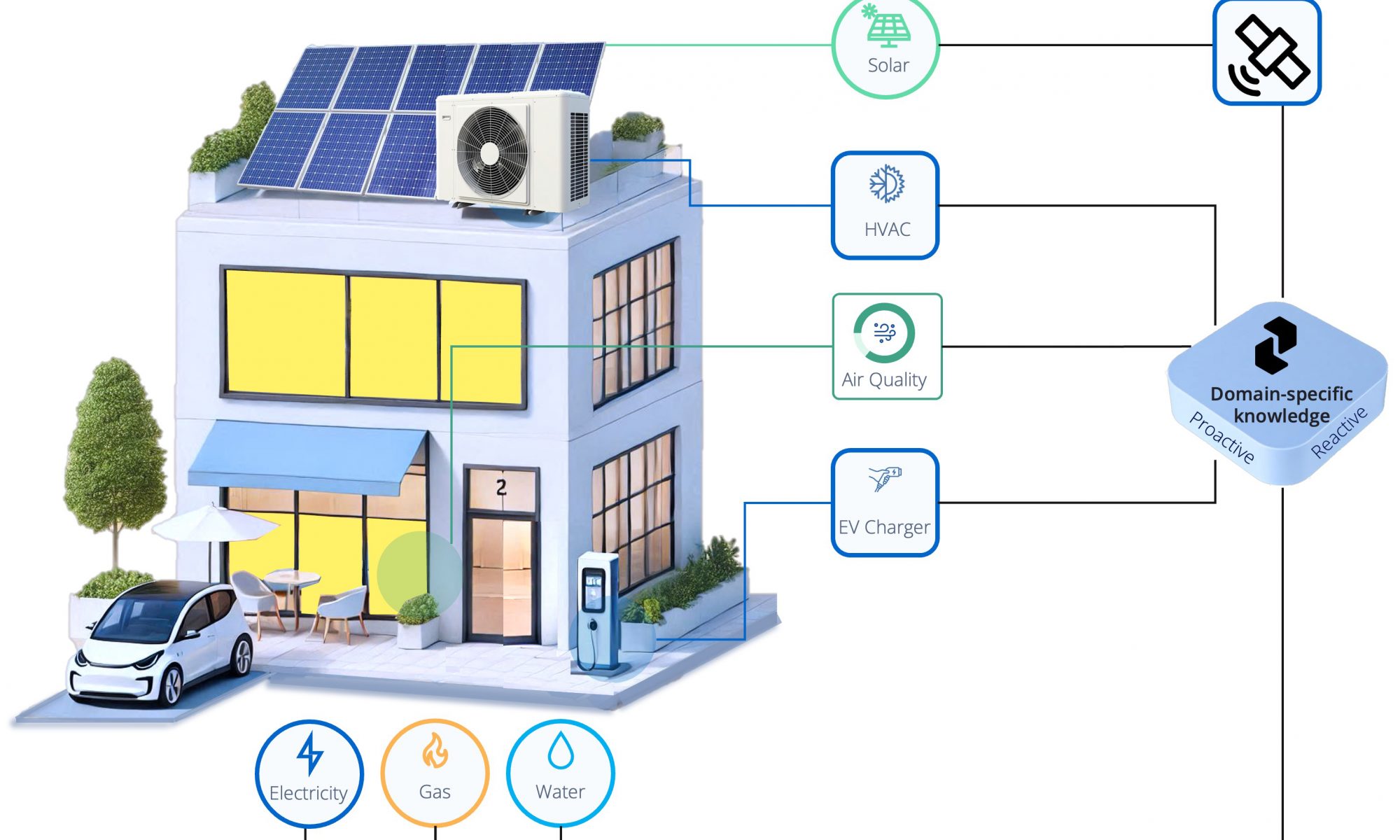
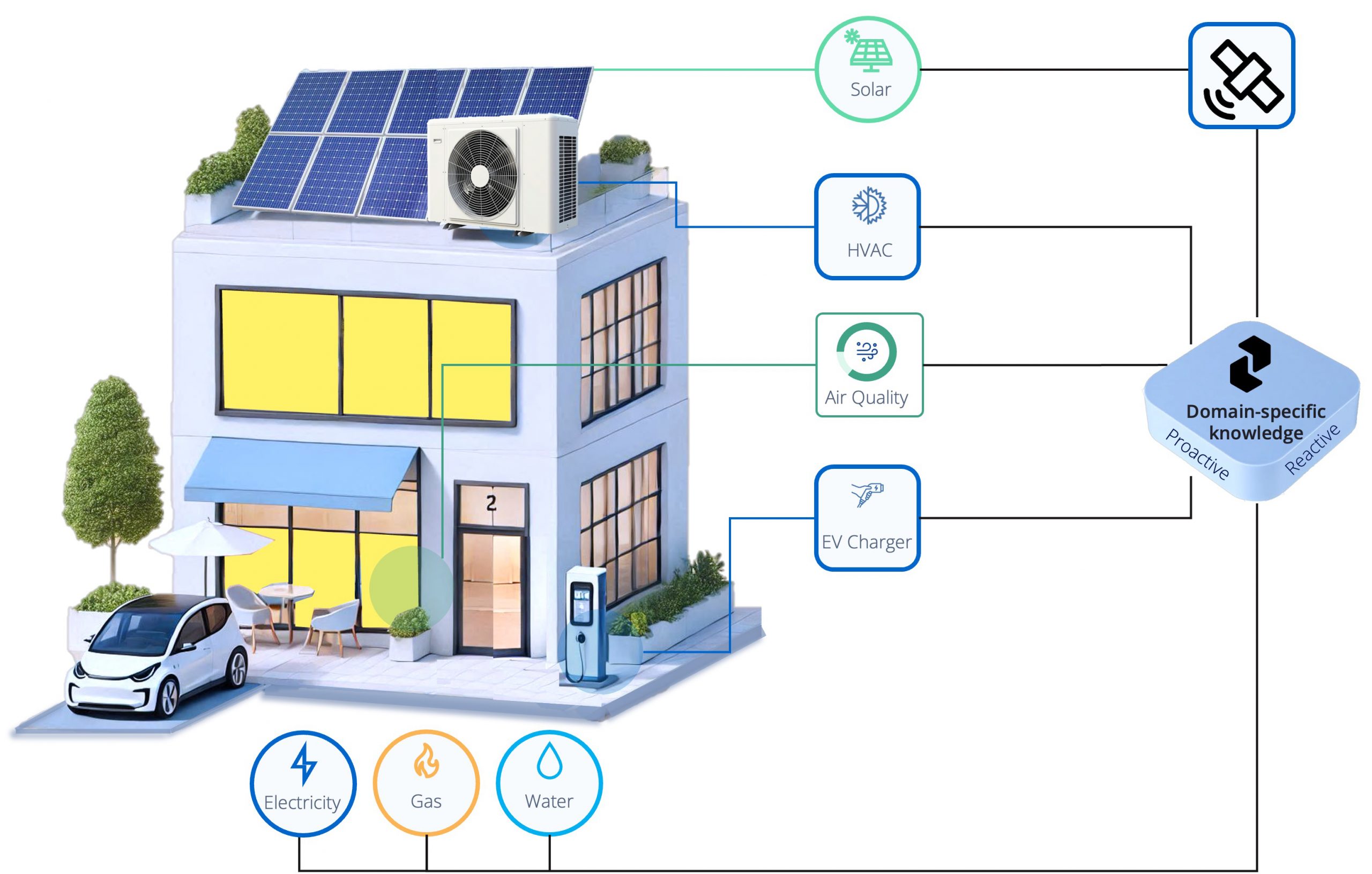
Current Earth observation solutions for forecasting these events often rely on limited sensors or general satellite data, providing reactive insights and slower diagnosis. WeavAir is transforming Environmental, Social and Governance (ESG) data analytics by combining satellite imaging, Internet of Things (IoT) sensors and predictive AI models to create real-time digital twins of buildings and infrastructure. By tracking over 20 factors, including energy use, carbon emissions, and climate resilience, WeavAir provides highly accurate insights, enabling faster and more informed decision-making. Our system helps operators to reduce operational costs and energy consumption while improving air quality and mitigating climate and insurance risks.
Benefits:
Real-time, highly accurate environmental data enabling smarter, faster decision-making in sustainability efforts.
A 200x faster diagnosis of the core factors affecting energy use, emissions and climate resilience.
30% savings in operational and maintenance costs, over 20% energy savings and improved air quality while significantly reducing carbon emissions and climate-related risks.
Diagnostics accuracy of 95%, with no need for recalibration.
Preflet – The most adaptive AI powered energy manager & avoided emission reporting
Preflet is an AI-powered platform designed to analyse and reduce building energy consumption. It identifies the causes of energy losses and suggests ways to reduce consumption, helping building managers to lower their carbon footprint and costs.
The platform combines cutting-edge, AI-driven energy optimisation with satellite data and IoT technology. It intelligently analyses real-time data from IoT sensors, weather forecasts and satellite imagery to optimise energy consumption, reduce costs and enhance sustainability. Preflet provides tailored solutions for different building types, helping property owners and managers to reduce their carbon footprint and energy expenses. With a focus on smart integration and innovative AI algorithms, the platform empowers businesses to take control of their energy usage and contribute to a greener, more efficient future.
Benefits:
Actionable insights are identified through a benchmark based on the analysis of thousands of buildings as well as satellite and renewables data.
Proactive AI: Preflet notifies users when inefficiencies occur and suggests mitigation actions, requiring little to no effort from users.
Self-learning: Preflet continuously learns from human feedback and adapts to evolving needs.
Affordable: It streamlines processes and compliance to save time and reduce effort while remaining cost-effective for buildings of any size or complexity.