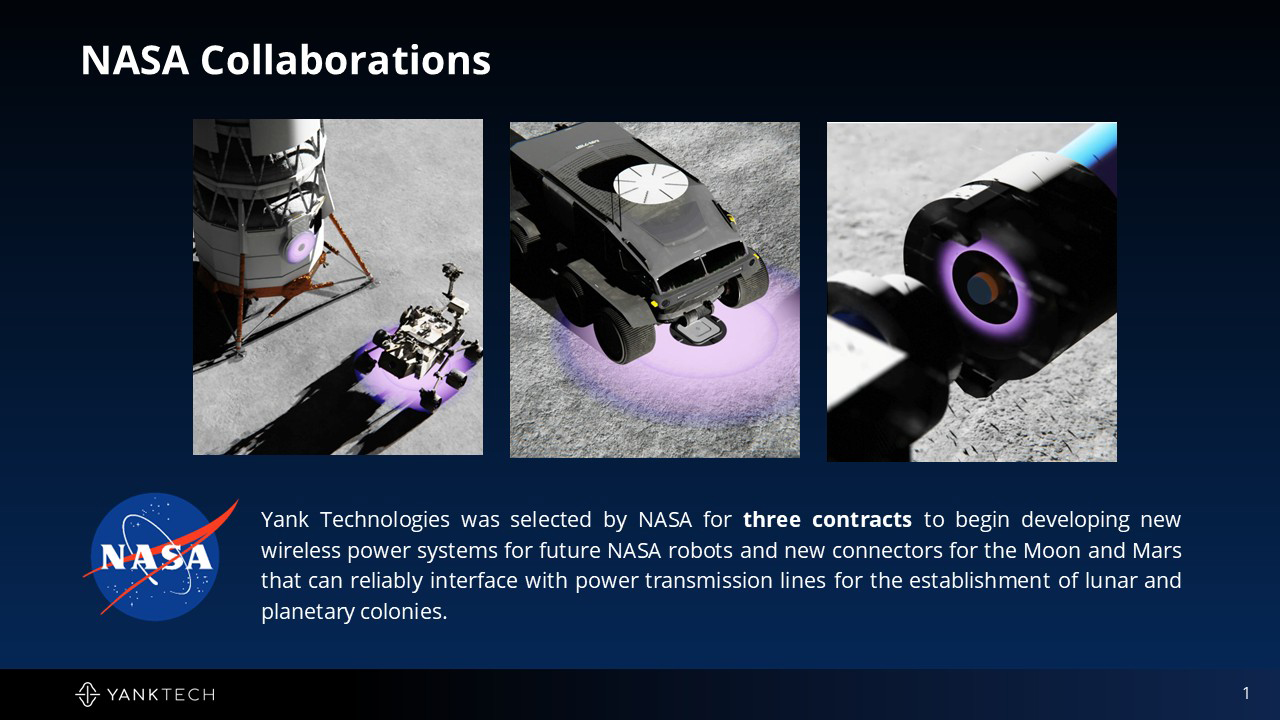
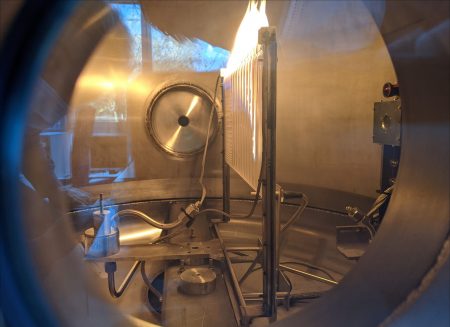
Harsh environmental conditions prevail on the surface of the moon, which are mainly due to the so-called regolith. Its insulating properties at the electrical interfaces of the rovers, such as the power connections, pose a significant risk for any mission. The wireless power supply can mitigate the problems of the electrical interfaces. However, current wireless charging systems are very sensitive to charging distance (less than 1 cm), have very low end-to-end efficiency, and rely on the use of robots to connect the rover to the charging station.
Yank Technologies solves these problems by using its Magnetic Resonant technology to deliver power over distances of up to half a metre, similar to WiFi but for power. This wireless charging system can operate efficiently in extreme misalignment and without robotic intervention, greatly improving operations on the lunar surface.
The technology can also be used in the automotive sector: Wireless power architectures can supply power to complete subsystems such as seats, doors, lighting and infotainment in vehicles, significantly reducing the wiring harness.
Benefits:
Wireless transmission technology using a patented Inductive Resonant technology capable of transmitting energy up to 0.50 metres through materials with high efficiency, without the limited distance, axial alignment, thermal rise and lack of efficiency inherent in conventional inductive solutions.
Efficient operation even with extreme misalignment and without the use of robots, significantly improving the operation of rovers on the lunar surface.
Direct power provision solutions for consumer electronics, industrial robots and automobiles.
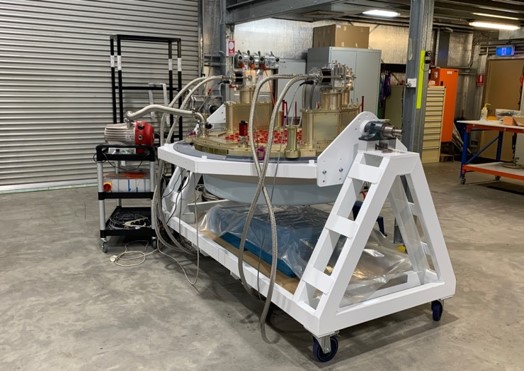
Parabolic Dish Killer – Dual use all sky RF digital phased array
Current satellite ground stations use mechanically gimbaled parabolic reflector antennas, also known as satellite dishes. These provide a single pencil beam, enabling communication with only one satellite at a time, and require electronic motors to steer the dish to face and track the target satellite in the sky.
Quasar’s ground station is the world’s first true digital multibeam phased array with unique all-sky capability. Its ground station supports dozens of beams simultaneously for both SATCOM and SDA missions from a single compact aperture. One array has the equivalent capacity of at least five separate 5 m parabolic dishes from a single sensor. This significantly reduces operating expenses and provides additional functionality to improve the performance of space-to-earth links.
Benefits:
Satcom bottlenecks are reduced, with no loss of passes when LEO satellites fly in swarms.
New Space Domain Awarenes insights, including the ability to detect, fingerprint and track unknown objects anywhere in the sky. Providing a comprehensive database of RF emissions at high granularity Pattern-of-Life processing provides actionable alerts for discovered anomalies.
Spectrum monitoring identifies jamming, illegal transmissions and grey zone activity.
Space-driven remote audit solutions for sustainability
Climate change poses significant challenges to Europe, including an increased frequency of extreme weather events such as floods, heatwaves and droughts. These events threaten infrastructure, water resources and public health.
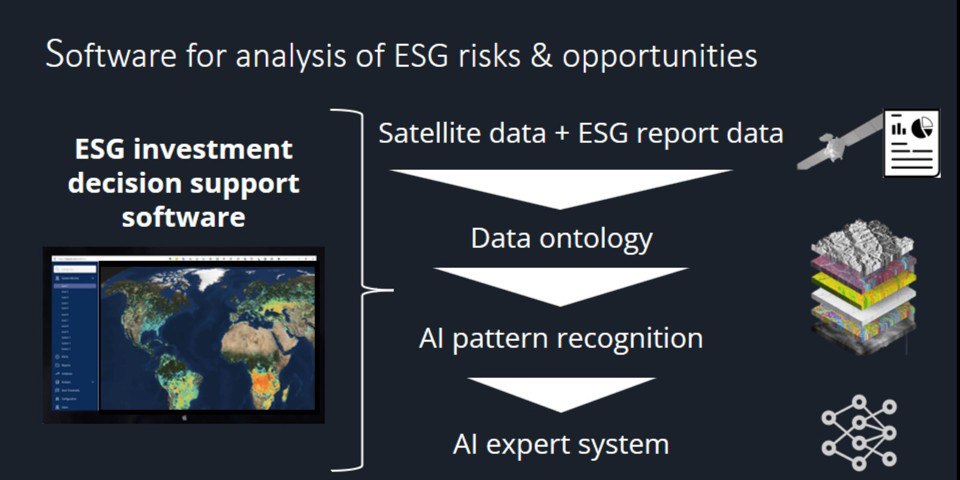
Current Earth observation solutions for forecasting these events often rely on limited sensors or general satellite data, providing reactive insights and slower diagnosis. WeavAir is transforming Environmental, Social and Governance (ESG) data analytics by combining satellite imaging, Internet of Things (IoT) sensors and predictive AI models to create real-time digital twins of buildings and infrastructure. By tracking over 20 factors, including energy use, carbon emissions, and climate resilience, WeavAir provides highly accurate insights, enabling faster and more informed decision-making. Our system helps operators to reduce operational costs and energy consumption while improving air quality and mitigating climate and insurance risks.
Benefits:
Real-time, highly accurate environmental data enabling smarter, faster decision-making in sustainability efforts.
A 200x faster diagnosis of the core factors affecting energy use, emissions and climate resilience.
30% savings in operational and maintenance costs, over 20% energy savings and improved air quality while significantly reducing carbon emissions and climate-related risks.
Diagnostics accuracy of 95%, with no need for recalibration.
Due to their critical nature, the monitoring of subsea cables and pipelines has become a matter of national interest. Historically, these infrastructures have largely been unmonitored. However, recent acts of sabotage have prompted governments to consider ways of monitoring and protecting these vital assets.
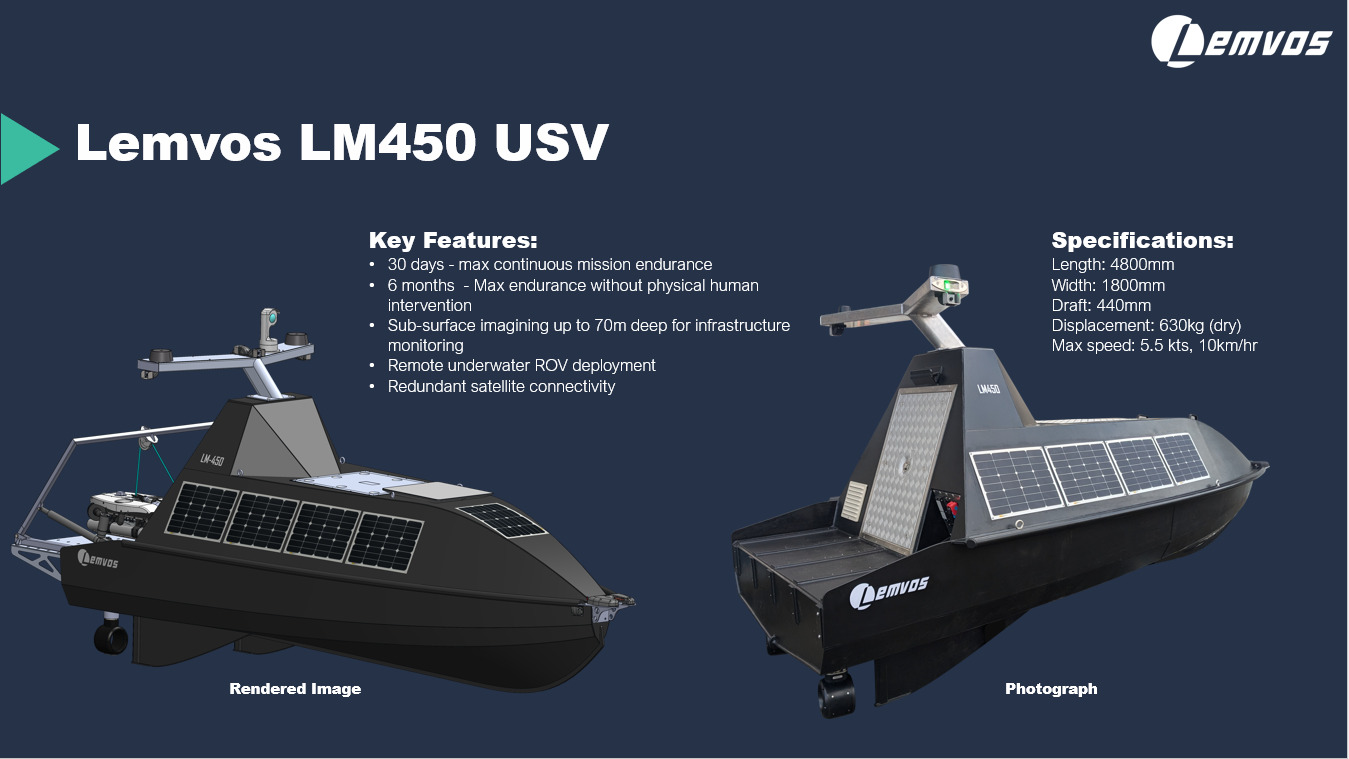
Lemvos has developed an automated, GNSS-guided, satellite-connected Unmanned Surface Vessel (USV) for monitoring subsea infrastructure. Equipped with high-resolution sonar imaging, the system enables 100% remote monitoring in harbour and offshore environments. This technology plays a crucial role in securing valuable subsea assets of national importance, such as cables and pipelines, by providing reliable, continuous surveillance.
Benefits:
Ability to increase efficiency, scalability and cost savings for subsea monitoring, while reducing environmental impact and safety risks.
With semi-autonomous capabilities, a single operator can manage multiple USVs simultaneously, significantly expanding coverage compared to traditional crewed vessels.
Remote operation eliminates travel time and the DockMaster system automates deployment, reducing downtime and maximising productivity.
Fuel and CO₂ emissions are significantly reduced due to the compact, crew-free design of the vessel.
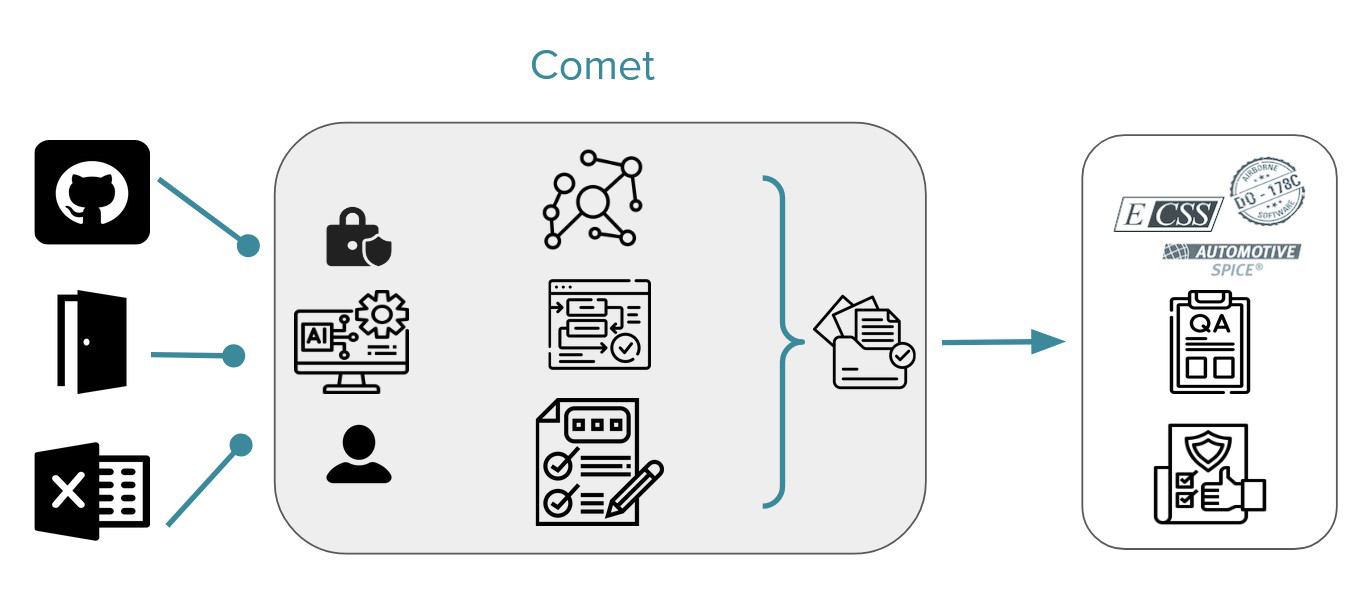
Effortless ECSS Compliance – Automating software development documentation in the space industry
The growing complexity of space applications, such as launchers, satellites, kick stages and payloads, poses an immense challenge to developers in terms of software qualification. Qualification requires developers to spend considerable time on reporting tasks and creating complex, fully traceable documentation manually. This takes valuable time away from coding and advancing development, driving up the costs of mission-critical software.
Astra Labs offers a toolkit powered by human-centered AI that is specifically tailored to automate the time-consuming tasks required by ECSS standards. The toolkit reduces defects and errors in the resulting software and artefacts by enabling developers to focus on critical coding tasks instead of mentally exhausting manual documentation work. The tool also maintains up-to-date documentation for developers and quality assurance teams to review, and flags potential inconsistencies and errors.
Benefits:
Automates ECSS software qualification activities by leveraging human-centered AI solutions.
Improves developer productivity, documentation consistency and life cycle quality.
Plugs into existing software development processes.
Aggregates the vast amounts of data generated by these processes, including requirements, test cases, reviews, source code and test results.
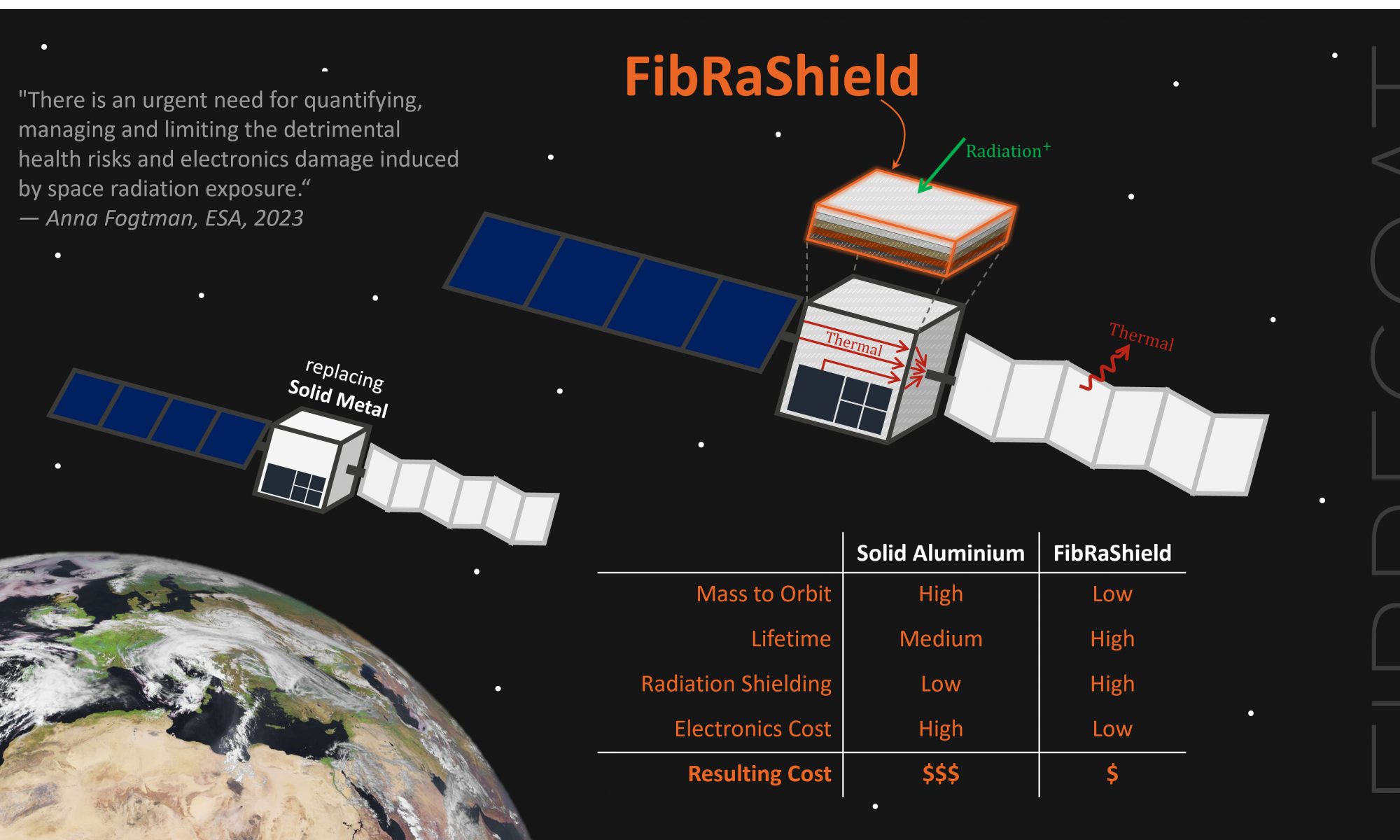
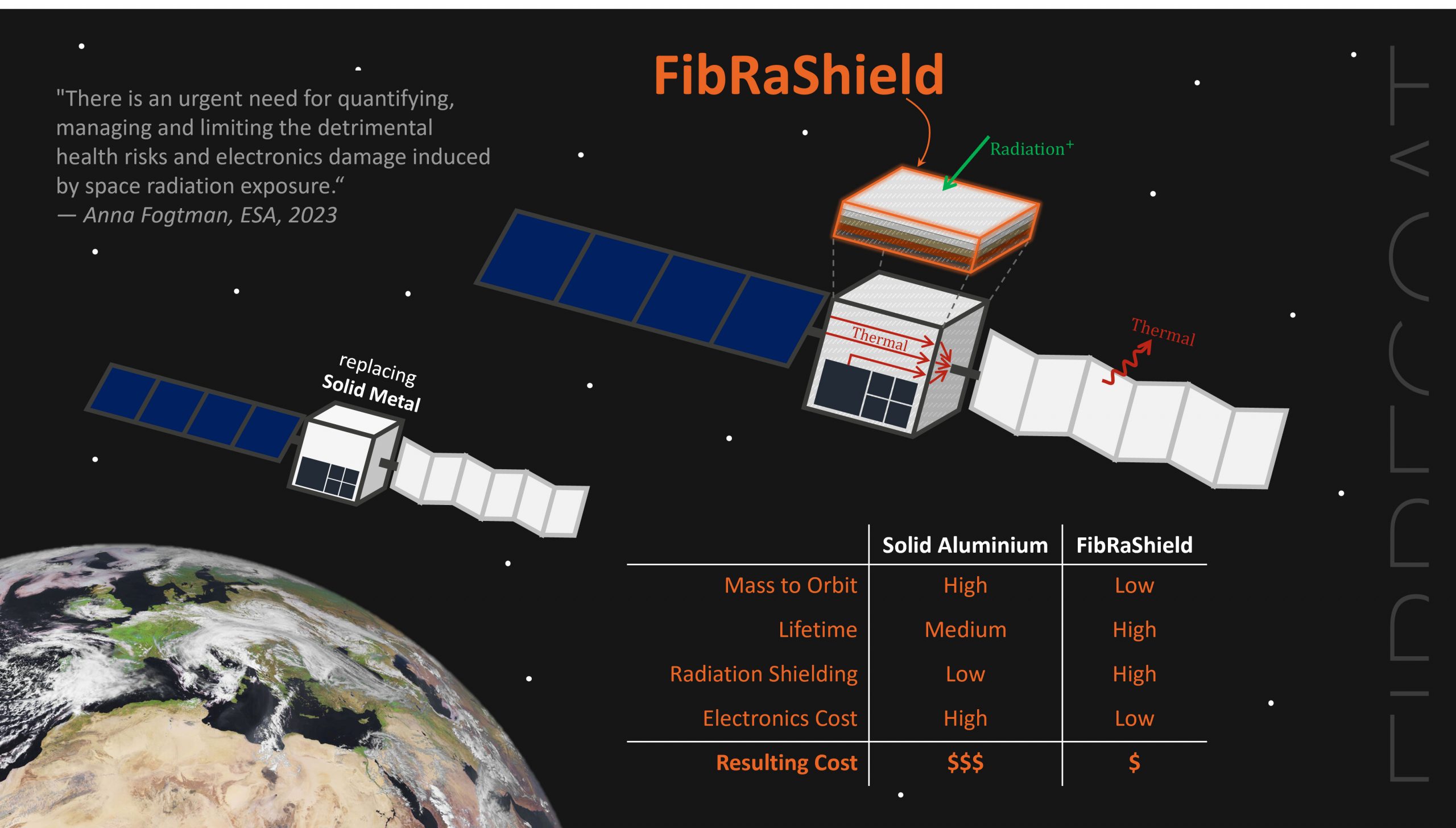
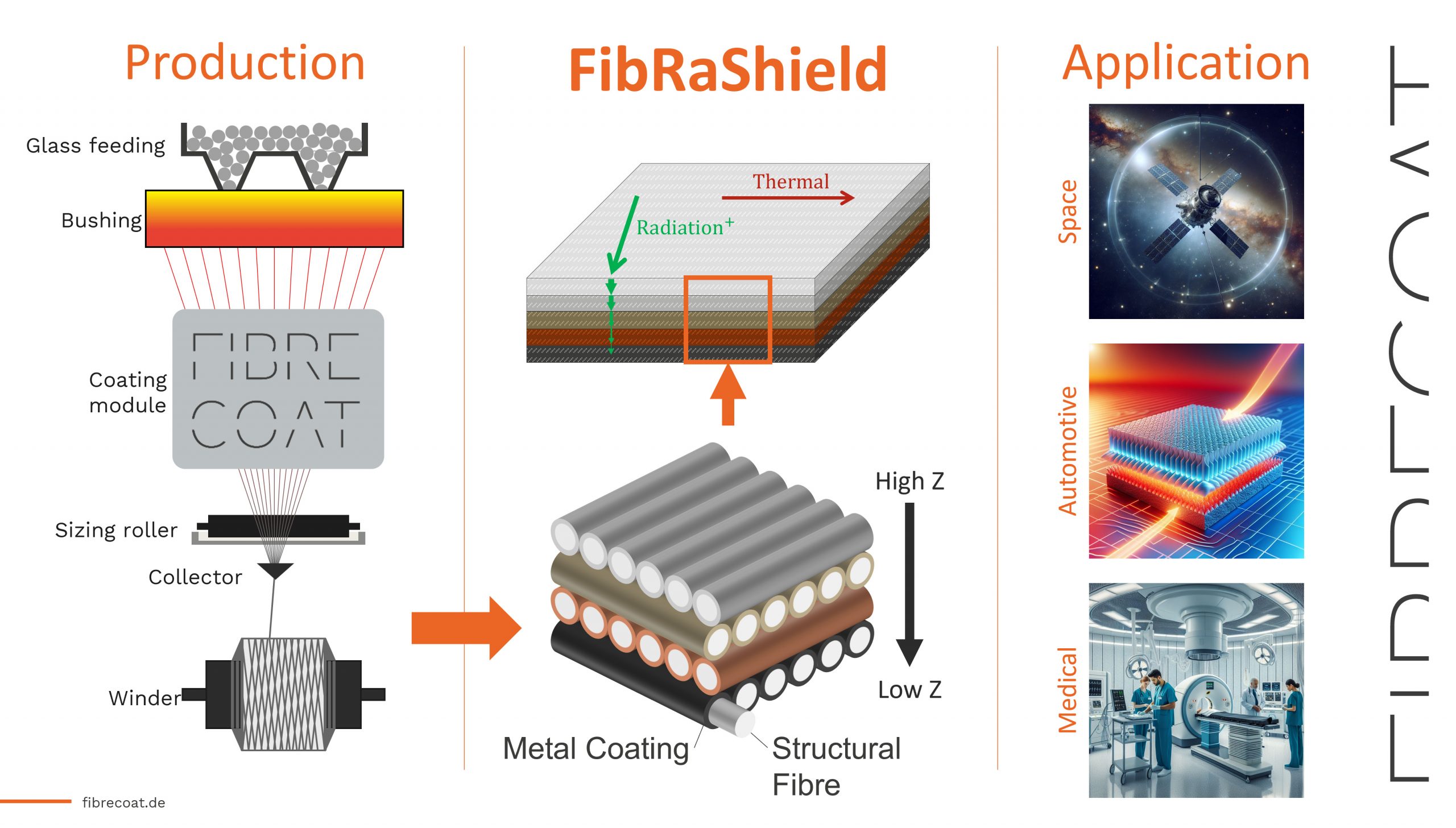
FibRaShield – Shielding humans and electronics from radiation in space
Radiation in space poses significant challenges for space missions. High-energy particles can damage electronic components and degrade materials, as well as increasing the risk of cancer for astronauts. Traditional solutions are costly and heavy.
FibRaShield’s innovative approach involves developing advanced materials using Fibrecoat technology, which coats metals onto fibres. These cutting-edge materials are designed to protect electronic components on satellites from harmful radiation, ensuring their durability and optimal performance. With effective thermal management and minimised radiation impact, FibRaShield is paving the way for more reliable, long-lasting satellite systems and advancing technology for the automotive, defence, medical and energy markets, as well as for future space missions.
Benefits:
Up to 60% better protection for electronic components and astronauts compared to conventional aluminium shields.
Up to 30% weight reduction, which could reduce launch costs by up to $228 million per year.
Potential decrease in the number of spacecraft subsystems, leading to reduced complexity and faster testing and deployment.
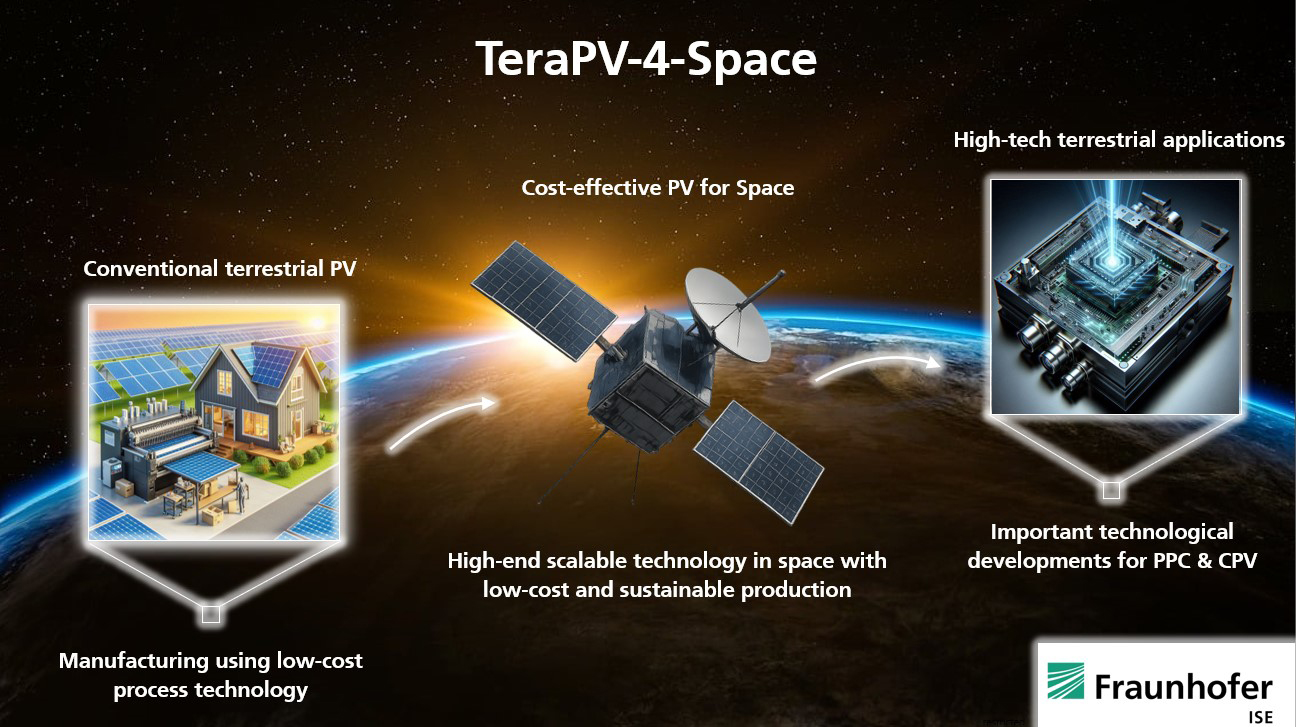
TeraPV-4-Space – Utilisation of terrestrial PV manufacturing technology for space applications
Solar energy is arguably the most important source of energy in space. It powers satellites, the International Space Station and rover missions by converting light into usable electricity. Space-bound solar cells are highly efficient and rely on well-established III-V semiconductor technology.
The TeraPV-4-Space project aims to transfer the low-cost process technology of terrestrial solar cells to III-V space solar cells, enabling the next generation of integrated energy systems in the growing space market. The project will dramatically reduce process complexity and costs by replacing all vacuum processes and photolithography, and will demonstrate the potential of high-efficiency, low-cost III-V solar cells. This process technology can generate significant developments for terrestrial applications such as photonic power converters and concentrating photovoltaics.
Benefits:
Drastic reduction of solar panel costs by eliminating vacuum and photolithographic steps within production process.
Increase of reliability and repeatability of the manufacturing process due to a simpler, streamlined process leading to process waste reduction.
Applicable not only to the space sector, but also to power converters, terrestrial solar energy and microelectronics here on Earth.
Fire on board inhabited spacecraft or habitats on the Moon or Mars is one of the greatest conceivable hazards. Fires are currently detected exclusively by smoke detectors. Due to the weightlessness in orbit, they are prone to frequent false alarms triggered by non-sedimenting dust, while the preferred direction of smoke propagation is slowly towards the life-support system’s intake. In addition, smoke detectors can principally only detect an existing fire situation and, in the omnipresence of dust on the Moon, they can no longer be expected to function reliably. The new PFDS approach detects potential fire sources based on off-normal thermal outgassing of materials, e.g., volatile organic components from plastics or fabrics, in the cabin air. The semiconducting metal oxide sensors do not react to specific gases, but react to alterations in the overall composition of the air. Trained by applying machine-learning methods, they can reliably recognise alarming composition patterns. The method has already been successfully used to survey underground high-voltage power lines. It also has great potential for improved detection of terrestrial fires – ideally long before they break out.
Benefits:
Detection of potential fire sources even before ignition occurs
HERA – Integration of active and passive thermal management system for batteries in electrical cars within a load-bearing structure
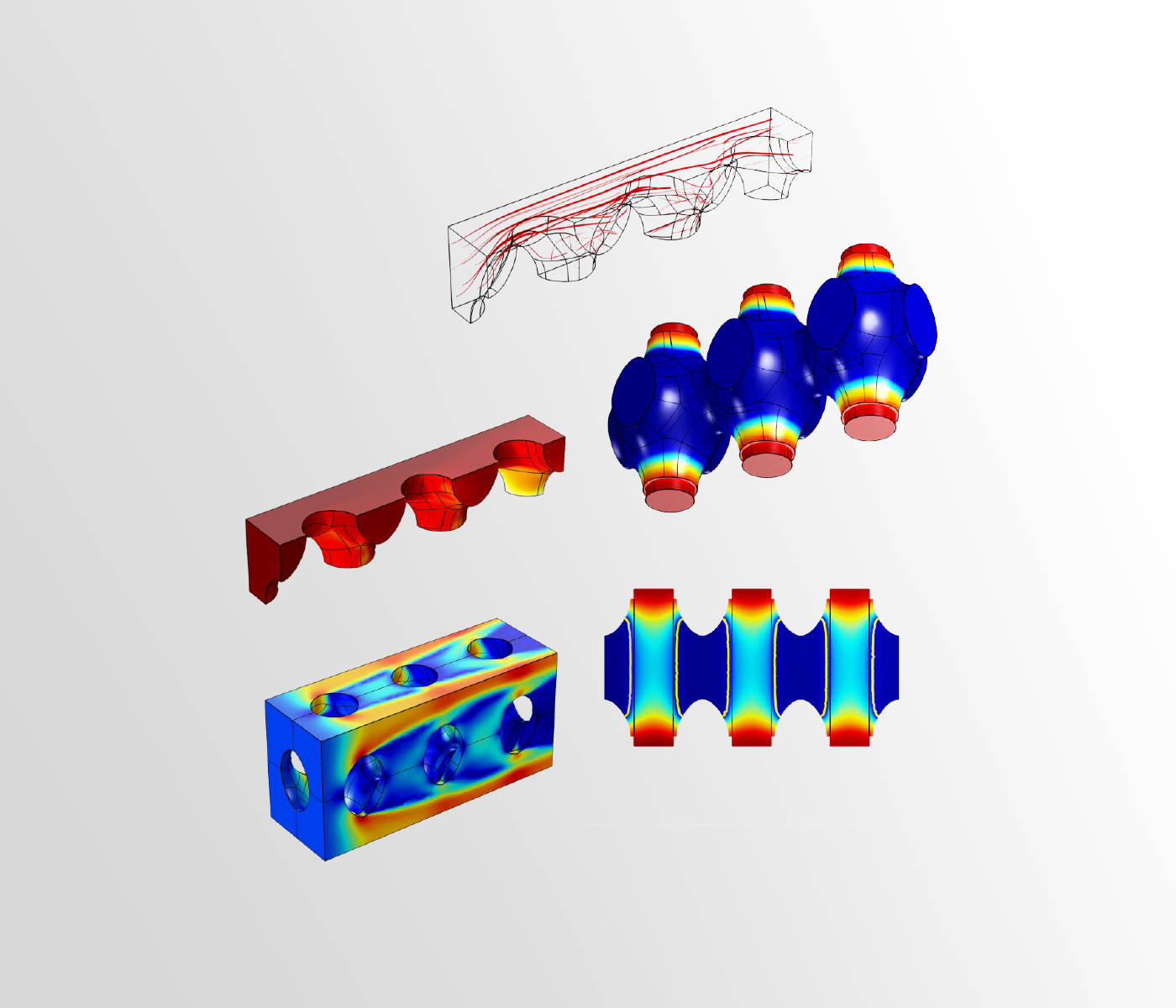
Batteries in electric vehicles need to operate within a narrow temperature window to ensure maximum range and a long life. Load peaks, such as rapid charging and high acceleration or cold/hot environmental conditions, can cause the battery to exceed this window. Large active thermal management systems are currently used to absorb load peaks and prevent the battery from heating up or cooling down. These active systems consume a large amount of energy and imply additional mass. Furthermore, they are often not able to maintain the optimal operating temperature indefinitely, causing degradation of the battery cells. At HERA, we buffer load peaks by means of latent heat storage in passive components based on phase-change materials (PCM). To make this as efficient as possible, we have developed an intelligent structure that couples effective storage of the heat generated in the battery in the PCM with a tailored active cooling system. In this way, load peaks can be levelled out, thereby increasing range and extending battery life. The structure is based on Triply Periodic Minimal Surface (TPMS), which also allows efficient mass-specific mechanical load-bearing capability.
Benefits:
Weight savings through loadbearing structure.
Possibility to manufacture these structures conventionally (no additive manufacturing necessary)
High adaptability through tailorable geometry
Wide range of other applications, such as electrical aviation, heat pumps, reusable rockets, or energy storage for energy grid stability