Individualised mobile dry EEG for health monitoring
Space travel negatively impacts the mental and cognitive performance of astronauts. These effects increase with mission duration and pose a risk to both the astronauts and the mission’s safety, particularly for long-term missions to the Moon or Mars.
The eemagine Medical Imaging Solution consortium is developing an easy-to-use, non-invasive dry EEG system supported by artificial intelligence (AI) for use outside the laboratory. This system is crucial for space travel as it significantly contributes to the health of astronauts by helping to avoid physical or mental overload, thereby reducing the risk of accidents and illness.
This EEG system has many potential applications here on Earth too, including in medical prevention, rehabilitation and treatment at home, and many other areas.
Benefits:
The dry EEG system will enable wider use, reduce comfort limitations and significantly improve ease of use and signal quality, while providing direct user feedback.
Combines increased sensor reliability — similar to gel-based EEG — with ease of use and high user comfort (can be applied within 10 seconds) during repeated and long-term use at a reasonable cost.
Improves the applicability of AI-supported health monitoring.
eemagine Medical Imaging Solution GmbH, Universität Duisburg-Essen, TU Ilmenau Frank Zanow frank.zanow@eemagine.com
FibRaShield – Shielding humans and electronics from radiation in space
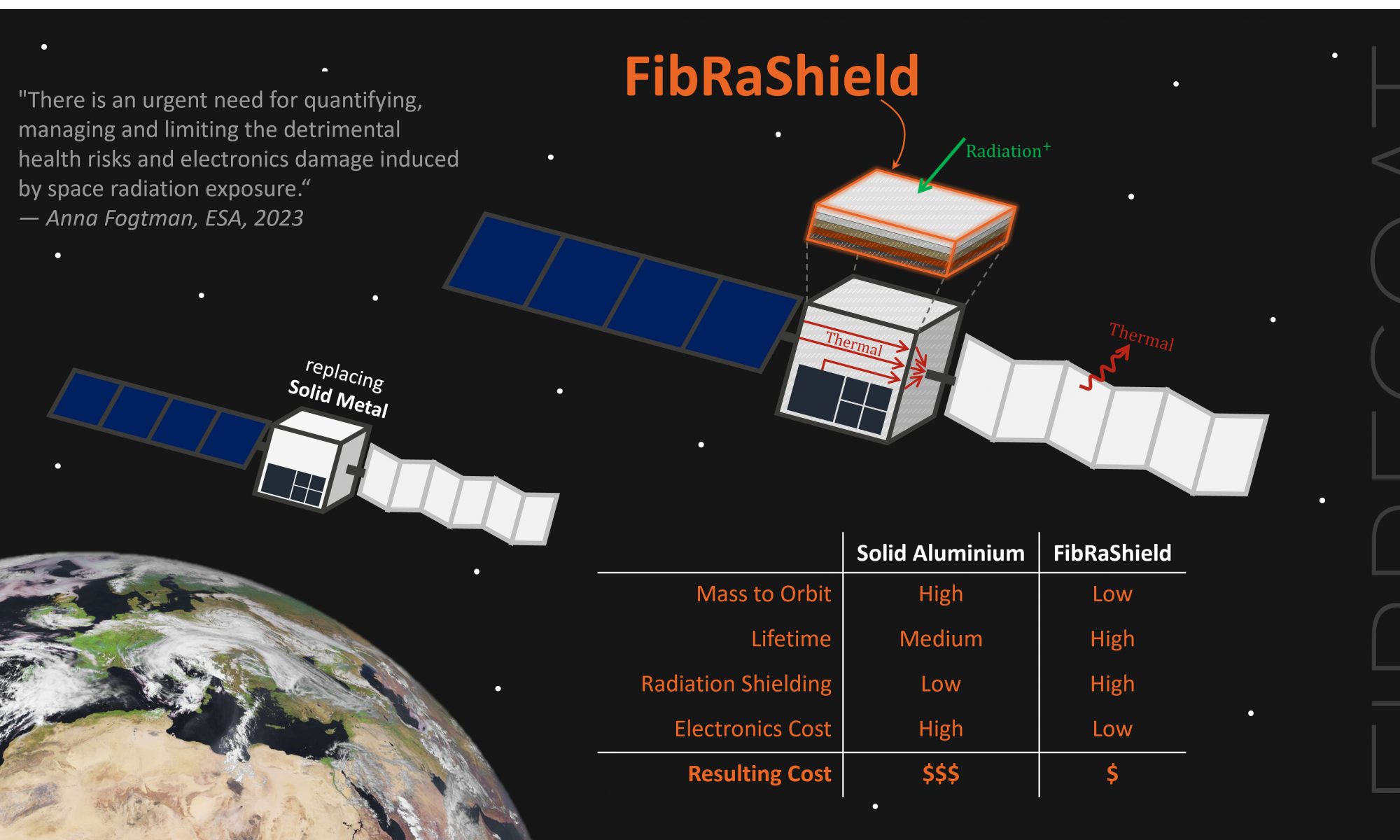
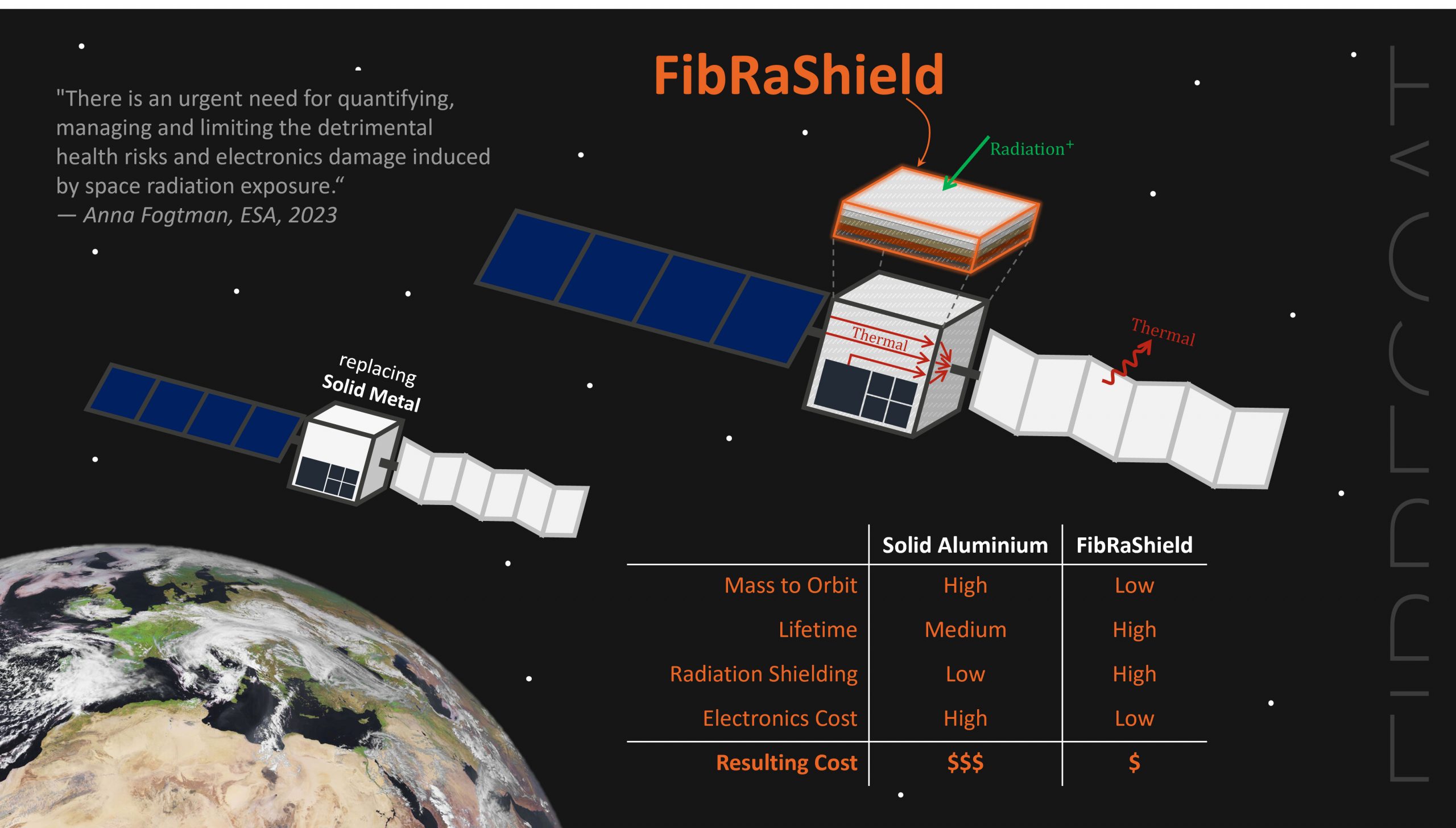
Radiation in space poses significant challenges for space missions. High-energy particles can damage electronic components and degrade materials, as well as increasing the risk of cancer for astronauts. Traditional solutions are costly and heavy.
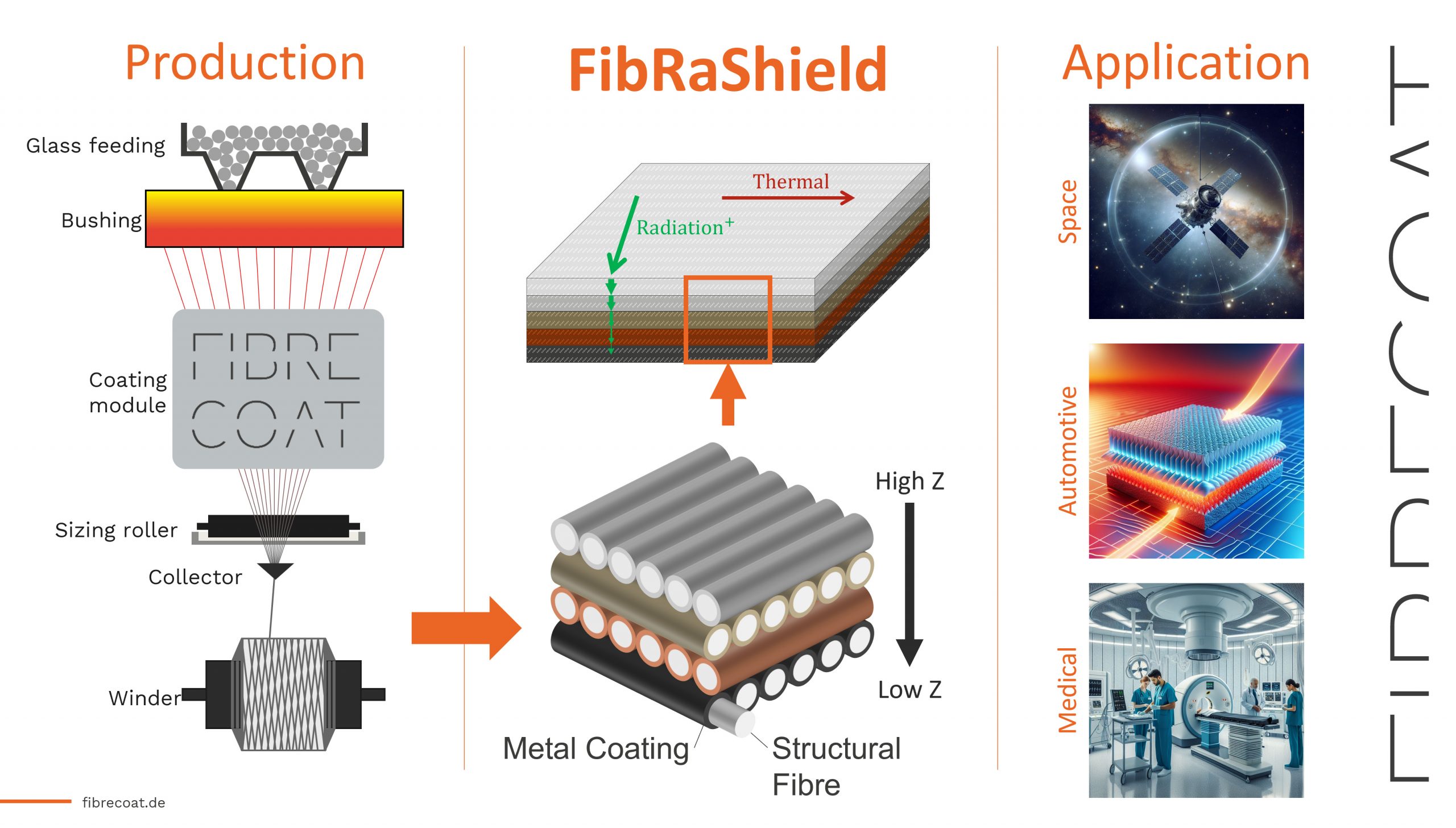
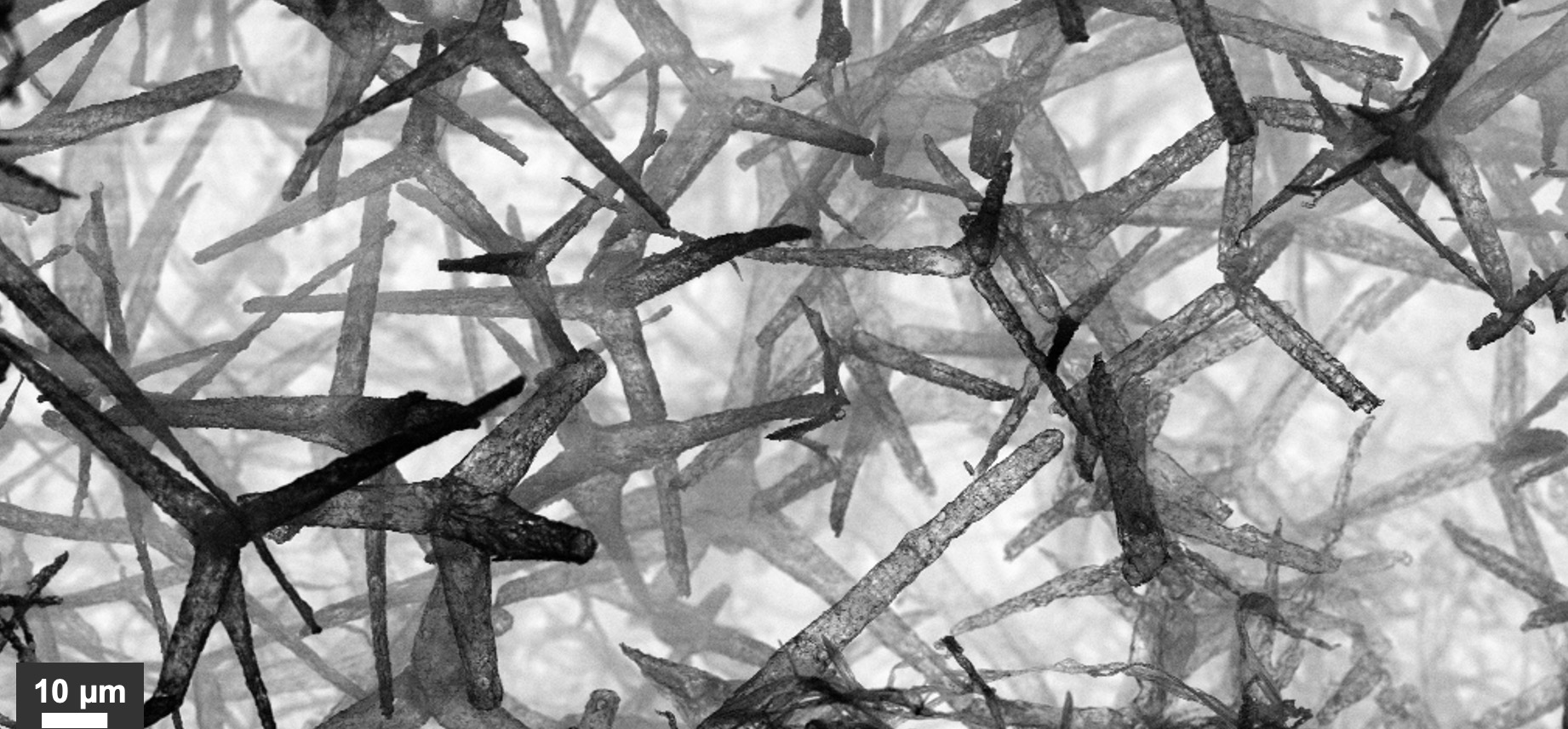
FibRaShield’s innovative approach involves developing advanced materials using Fibrecoat technology, which coats metals onto fibres. These cutting-edge materials are designed to protect electronic components on satellites from harmful radiation, ensuring their durability and optimal performance. With effective thermal management and minimised radiation impact, FibRaShield is paving the way for more reliable, long-lasting satellite systems and advancing technology for the automotive, defence, medical and energy markets, as well as for future space missions.
Benefits:
Up to 60% better protection for electronic components and astronauts compared to conventional aluminium shields.
Up to 30% weight reduction, which could reduce launch costs by up to $228 million per year.
Potential decrease in the number of spacecraft subsystems, leading to reduced complexity and faster testing and deployment.
EarthGaze – Small and ultralight spectroscopic camera for space applications
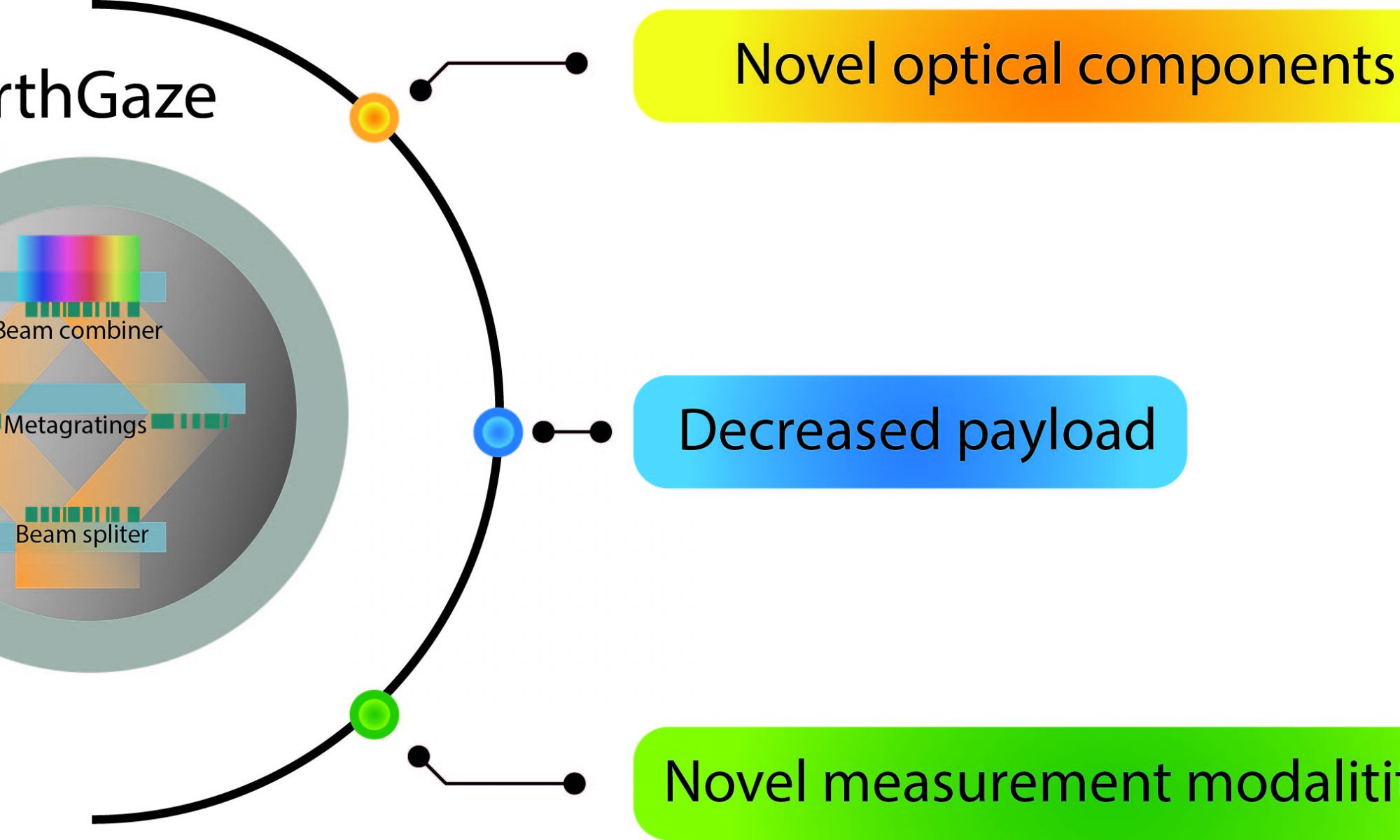
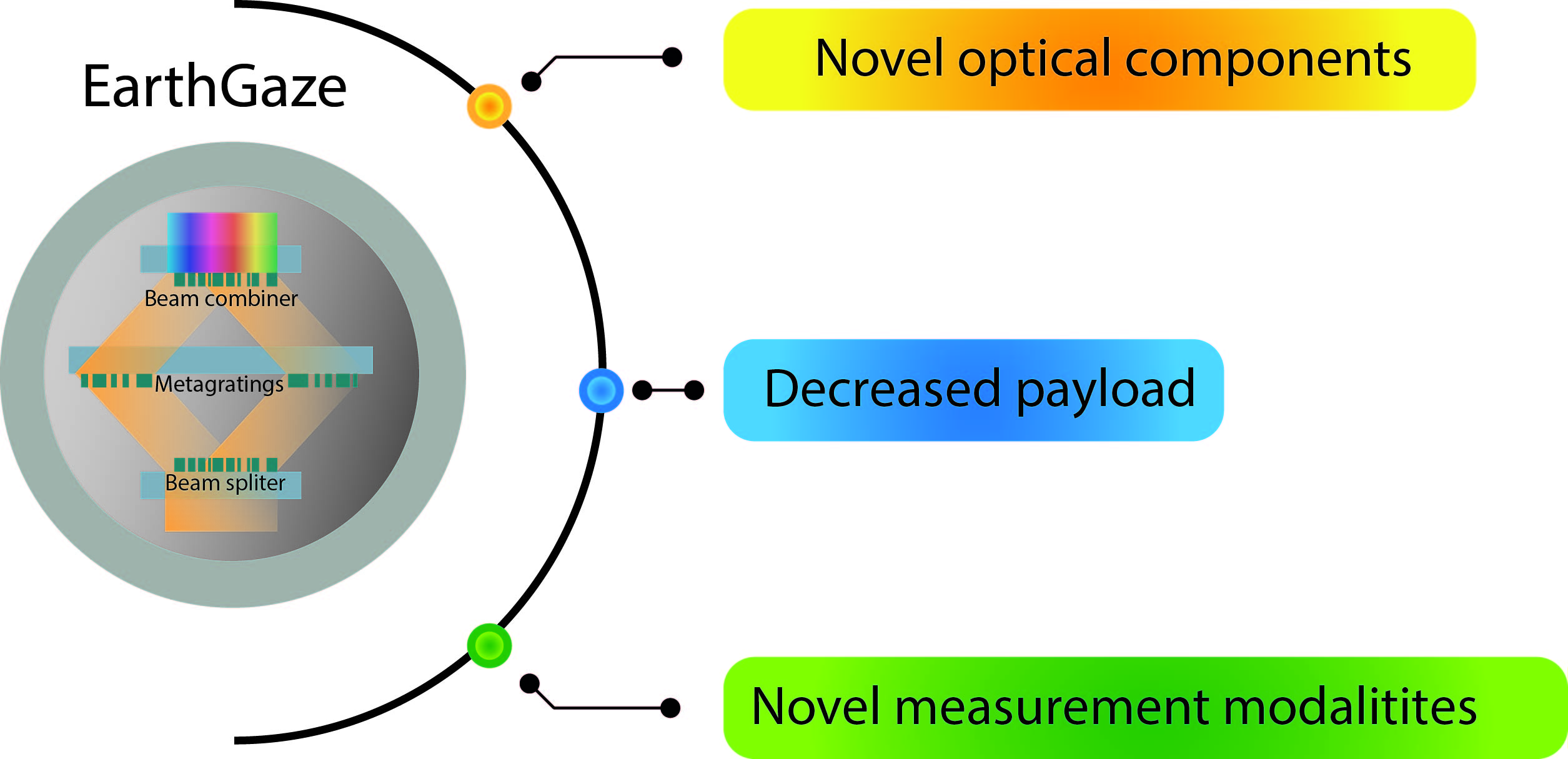
A large number of spaceborne and airborne monitoring missions are conducted to measure various parameters of the Earth’s surface using off-the-shelf optical components. However, these components are often bulky and require careful alignment and intricate assembly processes, limiting their functionality.
In the EarthGaze project, the Karlsruhe Institute of Technology is developing the EarthGaze metasurface optical system: a precise, ultralight, compact, affordable and multifunctional spectroscopic imaging camera based on emerging technology of metasurfaces. This remote sensing instrument will enable comprehensive characterisation of the Earth’s atmosphere while significantly reducing the cost and effort of deploying remote sensing instruments, making it particularly attractive for airborne and spaceborne applications.
Benefits:
Weight reduction for lower launch costs and increased payload capacity of earth observation satellites.
Enhanced optical performance increases the amount of data that can be collected by a single device.
A reduction in system complexity can lead to decreased manufacturing time and reduced maintenance needs.
Streamlined manufacturing and scalability can result in substantial cost savings and make advanced optical performance more accessible for research and commercial applications.
TeraPV-4-Space – Utilisation of terrestrial PV manufacturing technology for space applications
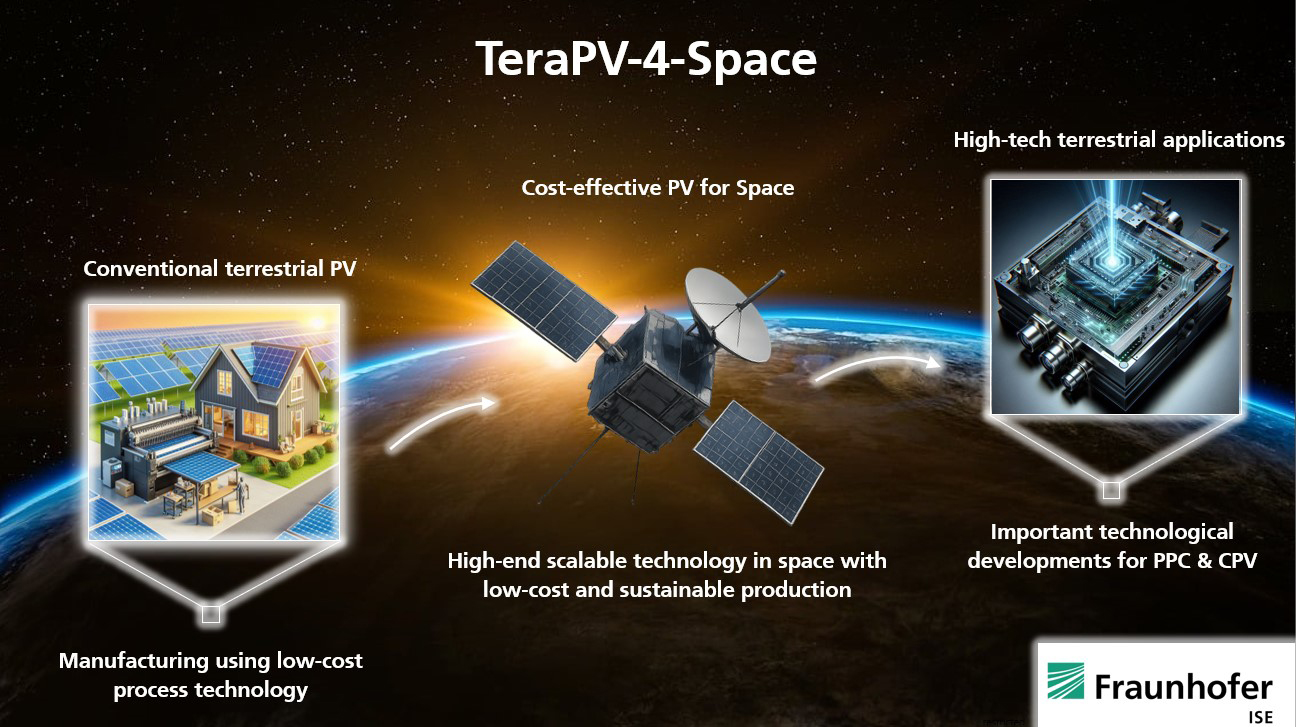
Solar energy is arguably the most important source of energy in space. It powers satellites, the International Space Station and rover missions by converting light into usable electricity. Space-bound solar cells are highly efficient and rely on well-established III-V semiconductor technology.
The TeraPV-4-Space project aims to transfer the low-cost process technology of terrestrial solar cells to III-V space solar cells, enabling the next generation of integrated energy systems in the growing space market. The project will dramatically reduce process complexity and costs by replacing all vacuum processes and photolithography, and will demonstrate the potential of high-efficiency, low-cost III-V solar cells. This process technology can generate significant developments for terrestrial applications such as photonic power converters and concentrating photovoltaics.
Benefits:
Drastic reduction of solar panel costs by eliminating vacuum and photolithographic steps within production process.
Increase of reliability and repeatability of the manufacturing process due to a simpler, streamlined process leading to process waste reduction.
Applicable not only to the space sector, but also to power converters, terrestrial solar energy and microelectronics here on Earth.
VibraVoid – Vibration Avoidance with Acoustic Black Holes in Spacecraft
In the space industry, random structural vibrations and shock loads pose significant design challenges, often causing fractures in brittle components, joint slippage and failure of sensitive electronics. New countermeasures to control vibrations are therefore essential. This project explores an innovative approach using a phenomenon similar to black holes to reduce vibration in lightweight space structures.
Special structures known as Acoustic Black Holes (ABH) cause sound waves to disappear in narrow regions. Studies show that ABHs can reduce vibrations by 30 dB with a mass saving of 26%. Integrating ABHs into aerospace structures involves creating dents or cross-sectional reductions combined with damping material. ABHs are ideal for lightweight structures and can be applied to satellites, launchers or rovers.
The project aims to develop a technology demonstrator of a space structure with integrated ABHs. Ultimately, the technology will be transferred to other industries, due to ABHs’ wide range of applications.
Benefits:
Reduction of random structural vibrations in space structures
Lightweight structure with up to 26% mass saving potential
Wide range of spin-off transfer applications, e.g. for the automotive industry
AGREE – Avoiding Greenhouse Gas Emissions in Rare Earth Element Production by Transferring Space Resource Technology to Earth
Extracting metals from ores is essential for our technological society, but it requires enormous amounts of energy and is responsible for 40% of global greenhouse gas (GHG) emissions. Perfluorinated hydrocarbons (PFCs), potent GHGs, are emitted in the production of rare earth metals, which are indispensable for electromobility, magnets and high-performance alloys. Europe currently imports 98% of these metals, posing geopolitical risks.
For the extraction of Oxygen from lunar regolith (“moon dust”), an Airbus led consortium developed ROXY (Regolith to OXYgen and metals conversion), a GHG-free electrolysis process that is ideal for metals with a high affinity for oxygen and hard-to-reduce oxides. AGREE is adapting this process for Earth, focusing on the rare earth elements scandium and neodymium.
The project will optimise key components such as electrodes and demonstrate efficient, PFC-free production of Sc and Nd from their oxides in the laboratory. It will also include the design of future scaled-up facilities and the establishment of industrial partnerships to scale up sustainable production of rare earth elements.
Benefits:
Contribution to an independent rare earth metal value chain in Europe
Reduction of greenhouse gas emissions for a sustainable rare earth element production
Technology transfer of electrolysis technology originally developed to extract oxygen and metals from lunar regolith
StellarHeal tackles the unique challenges of wound healing in space, where weightlessness and radiation affect wound closure, putting astronauts’ health at risk. The solution includes a special silica gel padding, enriched with cryopreserved cells, and a protective gel. The silica gel is resistant to radiation and flexible enough to fit different wounds, with a coating that helps to stop bleeding quickly. The added cells – cryopreserved fibroblasts and macrophages – promote smooth healing and fight infection, making it perfect for space missions.
StellarHeal combines several advanced developments into a novel application. It aims to improve medical practice and the economics of wound care, and has significant potential for future applications both in space and on Earth. The consortium combines expertise in materials science, cryotechnology and biotechnology to develop, deploy and adapt the solution for various medical and biotechnological applications.
Benefits:
Enables rapid and improved wound closure in microgravity to prevent wound infection
Protects wounds from the adverse effects of radiation exposure
Prevents severe wound scarring
May address chronic wound healing for patients on Earth
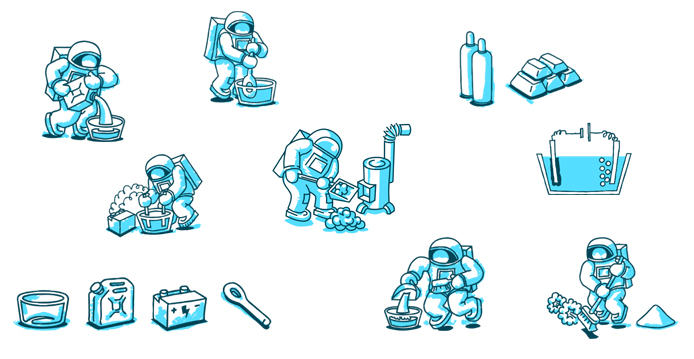
“Moon Village” is considered one of the most important projects of manned space flight. However, the long-term energy supply for the urbanisation of the Moon has not yet been clarified. Temperatures vary between -170 °C and +120 °C, and solar energy is unavailable during the two week long moon nights. There are no fossil fuels on the Moon. The energy supply must be secured with lunar regolith, a mixture of different metal oxides. Current storage systems, such as batteries, heat accumulators or mechanical storage units, lack the capacity for long-term supply. The Fraunhofer IST and ICT are developing a process by which metallic iron can be extracted from regolith and used as a non-fossil fuel. Unlike fossil fuels, the combustion products are solid and can be collected. They are recycled in a novel process and can be reused. The unique solution uses a direct electrochemical process to recycle the iron oxide in order to produce iron again, bypassing the previously known hydrogen route. This makes the process very efficient. It operates at temperatures below 100°C. The process can be used terrestrially in modified power plants or combined heat and power plants and thus makes a significant contribution to climate protection (decarbonisation).
Benefits:
Circular economy
Time-independent energy supply (day/night) on the Moon
Iron fuel is extracted from lunar regolith
On Earth, the process makes an important contribution to decarbonisation
Combustion products are recycled by means of excess electricity
Aerostructure Multifunctional Cover Against Environmental Radiation
We all increasingly use communication networks, including Wi-Fi, mobile phones, satellite networks, Internet of Things, autonomous driving, and monitoring in medicine and the environment. People, as well as machines, will become more and more connected wirelessly. Therefore, the number of antennas integrated into electronic devices is drastically increasing, resulting in strong demand for countermeasures against unwanted signals and noise. Until now, typically metal-based materials have been used to shield electronics. While these are very secure, they are intrinsically very heavy. Moreover, the antennas themselves cannot be covered, as they would then no longer be able to transmit signals. We aim here to drastically reduce the weight of such shields by employing an ultra-lightweight class of materials, called framework aero materials. We will develop small, innovative safety caps that are easy to apply, without being a barrier to the further miniaturization of electronic devices. This new kind of cap will also enable frequency selectivity, thereby increasing the digital security of communication.
Benefits:
Ultra-lightweight cover against unwanted signals
Increase in digital security and protection against jamming
Frequency-selective: antennas can be protected
Very adaptable for specific geometries without mounting interfaces
High frequency tightness
Wide range of applications at different value-added levels
Institut für Luft- und Raumfahrttechnik der Technischen Universität Dresden Dr Tino Schmiel tino.schmiel@tu-dresden.de Institut für Materialwissenschaften der Christian-Albrechts-Universität zu Kiel Dr Fabian Schütt fas@tf.uni-kiel.de
Fire on board inhabited spacecraft or habitats on the Moon or Mars is one of the greatest conceivable hazards. Fires are currently detected exclusively by smoke detectors. Due to the weightlessness in orbit, they are prone to frequent false alarms triggered by non-sedimenting dust, while the preferred direction of smoke propagation is slowly towards the life-support system’s intake. In addition, smoke detectors can principally only detect an existing fire situation and, in the omnipresence of dust on the Moon, they can no longer be expected to function reliably. The new PFDS approach detects potential fire sources based on off-normal thermal outgassing of materials, e.g., volatile organic components from plastics or fabrics, in the cabin air. The semiconducting metal oxide sensors do not react to specific gases, but react to alterations in the overall composition of the air. Trained by applying machine-learning methods, they can reliably recognise alarming composition patterns. The method has already been successfully used to survey underground high-voltage power lines. It also has great potential for improved detection of terrestrial fires – ideally long before they break out.
Benefits:
Detection of potential fire sources even before ignition occurs